
Reviewed by Larry Forman, Attorney.
Weight limits exist for a reason. A truck loaded past its limits, or loaded unevenly, needs more distance to stop, overheats its brakes, stresses its tires and is more likely to tip in a curve or on a ramp. Louisville is a freight hub, with heavy truck traffic around the interstates, the river terminals and the industrial parks, so overloaded and badly loaded trucks are a real risk.
Key takeaways
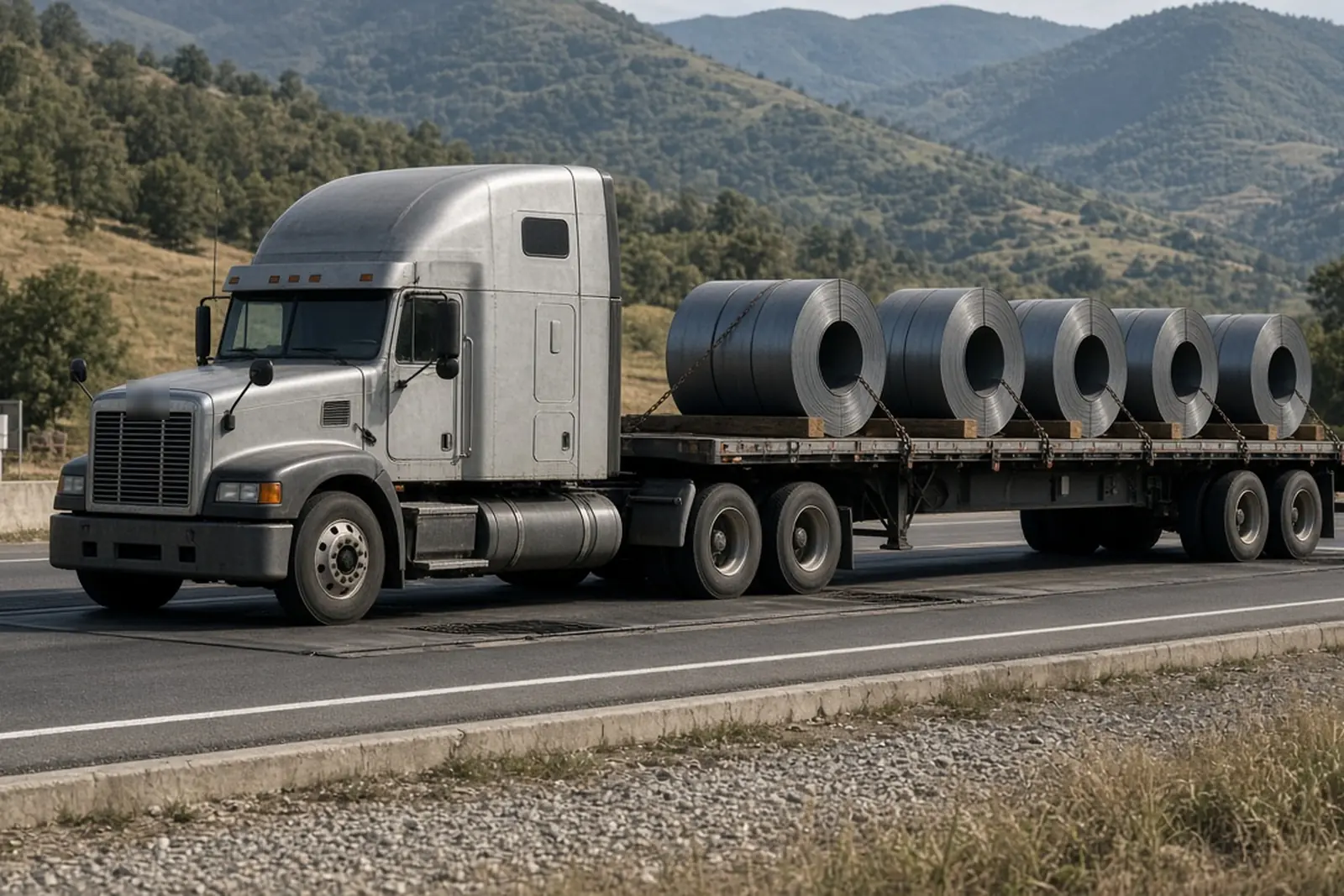
On the Interstate system, federal law generally limits a truck to 80,000 pounds gross vehicle weight, 20,000 pounds on a single axle and 34,000 pounds on a tandem axle, subject to bridge formula limits and certain exceptions (23 U.S.C. 127; FHWA size and weight overview).
Kentucky sets weight limits for its highways, with higher limits on designated routes and special permits for some loads (KRS 189.221; KRS 189.222). Coal and other bulk haulers often operate under special weight rules, which is why coal and dump trucks show up in so many serious crashes. See coal truck accidents and dump truck accidents.
Kentucky uses pure comparative fault: your share of fault reduces your recovery but doesn’t bar it (KRS 411.182).
Medical bills, lost wages, future care, pain and suffering and property damage. Trucks in interstate commerce must carry federal minimum liability insurance; see the MCS-90 endorsement. Unless you rejected it in writing, your own PIP (personal injury protection) coverage pays up to $10,000 of medical bills and lost wages regardless of fault. See how Kentucky PIP works.
Most Kentucky motor vehicle injury claims must be filed within two years of the crash or the last PIP payment, whichever is later (KRS 304.39-230). Estimate your dates with our statute of limitations calculator.
On the Interstate, the general federal limit is 80,000 pounds gross weight. Kentucky sets limits for other roads and issues permits for some heavier loads.
Yes, if the way it loaded or secured the cargo helped cause the crash.
With shipping papers, scale tickets, weigh station records, the truck’s data and photos of the load.
We’ll get the shipping and scale records and find everyone responsible. The consultation is free.
Get a free case evaluation or call 502-931-6788.
This page is general information about Kentucky law as of October 2026, not legal advice. Every case is different.