
Reviewed by Larry Forman, Attorney.
Coal trucks are part of daily life on the roads of Eastern Kentucky. Kentucky law lets coal trucks run heavier than most trucks on certain roads, and those roads are often narrow, winding and steep. When a coal truck driver or hauling company cuts corners, the results can be catastrophic. Forman & Associates represents people hurt in coal truck crashes across Kentucky.
Key takeaways
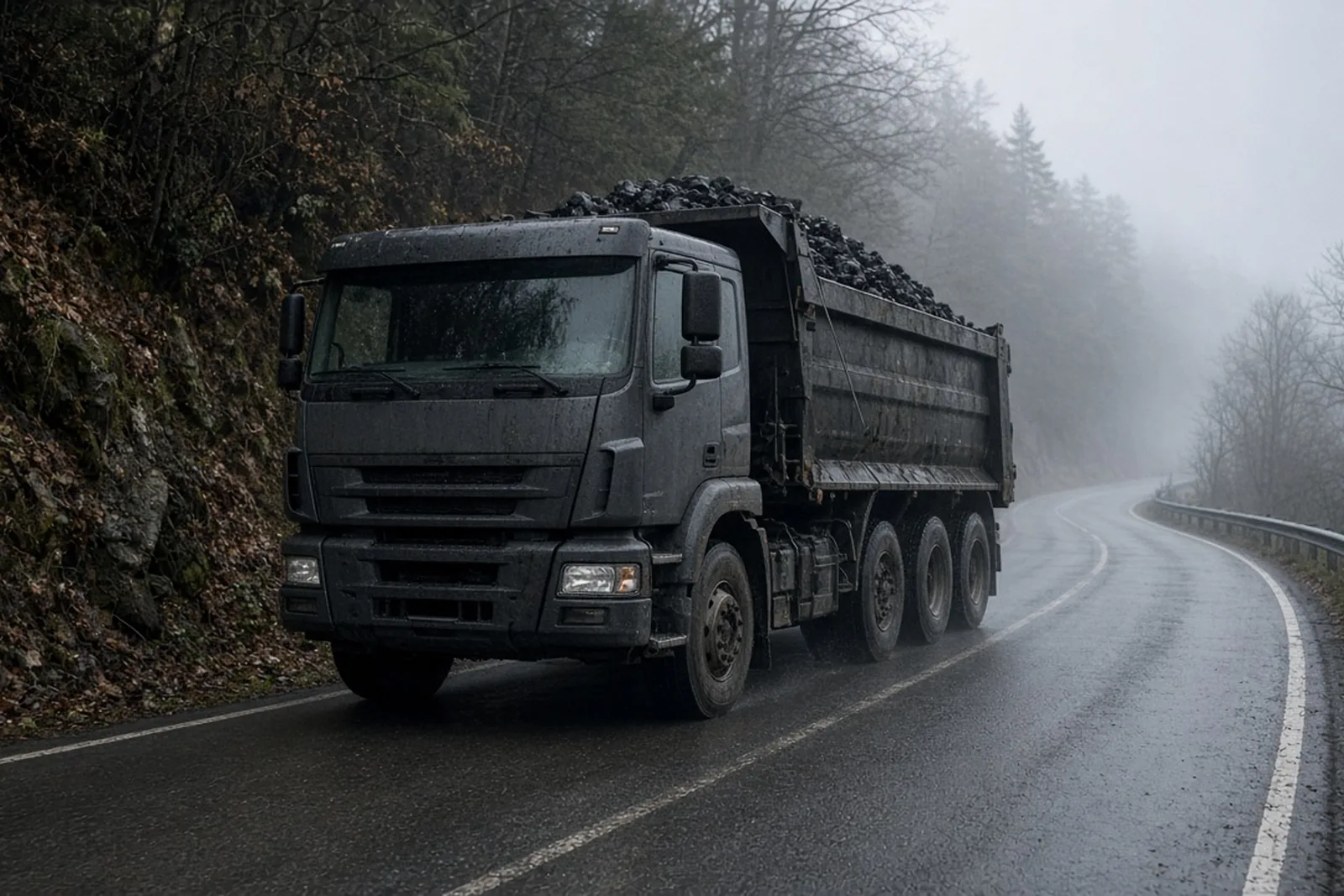
Kentucky law creates an extended weight coal or coal by-products haul road system made up of certain roads that carried large volumes of coal, certified annually by the Transportation Cabinet. Trucks registered at a declared gross weight of 80,000 pounds may operate on those roads above the normal maximum weights when hauling coal (KRS 177.9771). Off the interstate system, vehicles hauling coal are also allowed a 10% tolerance over certain limits (KRS 189.222(11)).
Those allowances have limits. Trucks running heavier than allowed, or on roads outside the system, are overloaded, and overloaded trucks are harder to stop and control.
Trucking cases often involve more than the driver: the motor carrier, the company that loaded the truck, a broker, a maintenance shop or a parts manufacturer may share responsibility. See trucking company liability and black box evidence.
In coal hauling, that can include the trucking company or owner-operator, the mine or shipper that arranged the haul, and whoever loaded the truck.
We handle cases throughout Kentucky. See our Eastern Kentucky personal injury page. If you were hurt working at a mine, see our mining injury lawyer page.
Most Kentucky motor vehicle injury claims must be filed within two years of the crash or the last PIP payment, whichever is later (KRS 304.39-230). Wrongful death and claims against government entities can follow different rules. Estimate your dates with our statute of limitations calculator, then confirm them with a lawyer.
On certified coal haul roads, registered coal trucks may run above normal limits up to the amounts the statute allows. Beyond those amounts, the truck is overweight.
Scale tickets, load records and the truck’s registration can show it. We request them early.
The owner-operator’s insurer usually comes first, but the coal company or carrier may share responsibility depending on the arrangement.
Yes, across Kentucky.
We get the scale tickets and load records that show what really happened.
Get a free case evaluation or call 502-931-6788.
This page is general information about Kentucky law as of October 2026, not legal advice. Every case is different.