Reviewed by Larry Forman, Attorney.
Key takeaways: After an injury, insurance surveillance can include video, social media posts and recorded statements that an insurer may use to argue you are less hurt than you say. Acting honestly, following your doctor’s instructions and knowing what is and isn’t allowed is your strongest protection.
It is a question clients ask us all the time: “Is the insurance company going to follow me?” Sometimes the answer is yes. Insurers and their lawyers can hire private investigators to watch people who have made injury claims, especially in larger cases. Most claimants are never followed, but you should assume that what you do, say and post may be seen.
Why insurers look at injury claimants
Your claim is a bet on how badly you are hurt. The adjuster’s job is to pay as little as the facts allow, so they look for anything that suggests your injuries are milder, your recovery faster or your problems older than you say. Insurance surveillance can mean a few hours of video, a search of your public social media, or a request for a recorded statement. Our guides to the adjuster’s playbook and what happens behind the scenes in major accident claims explain the bigger picture.
What insurance surveillance can look like
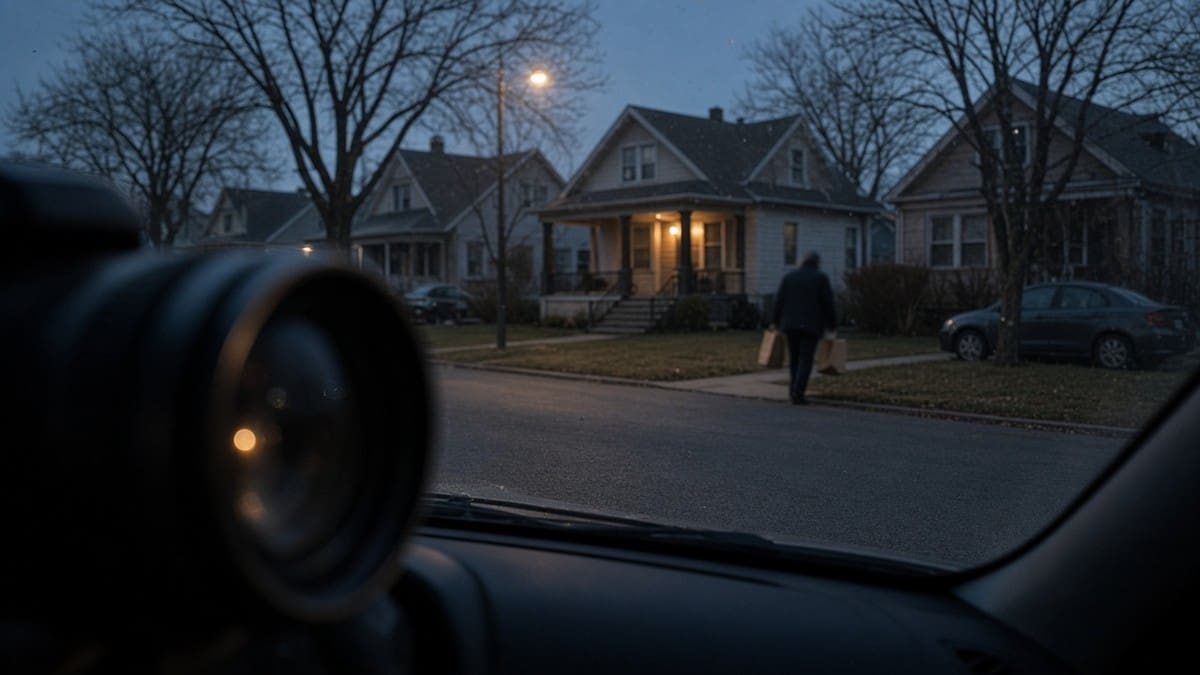
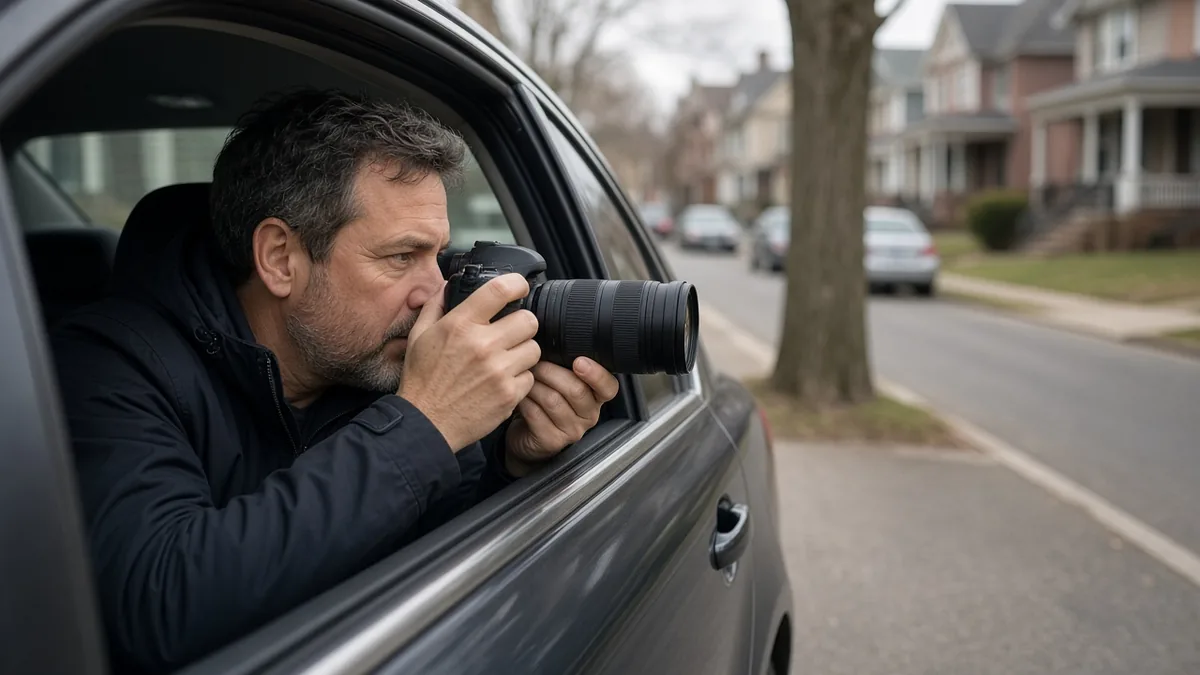
- Video of you in public. An investigator may film you leaving your home, shopping, driving, working in a yard or carrying something heavy, often for hours in the hope of capturing a few useful minutes.
- Social media. Public posts, photos, check-ins, tagged photos from friends and even “likes” can be screenshot and used. See why going dark on social media protects your claim.
- Records and databases. Prior claims, prior injuries, medical history and public records searches.
- Recorded statements and calls. What you say to an adjuster can be recorded and played back later. See our guide to the recorded statement in Kentucky.
- Questions to neighbors, coworkers or employers about what you can and cannot do.
What Kentucky law does and doesn’t allow
Filming what anyone can see from a public place is generally not unlawful. Recording conversations is different. Kentucky is a “one-party consent” state: it is eavesdropping, a felony, to overhear or record a conversation of others by an electronic or mechanical device without the consent of at least one party to the conversation (KRS 526.010 and KRS 526.020). That cuts both ways. An adjuster who is on the call can record it, usually after telling you, because the insurer is a party to the conversation. A stranger who isn’t part of a private conversation generally cannot record it with a device.
The practical lesson about insurance surveillance is simple: assume a call with an insurer may be recorded, and don’t give a recorded statement until you understand your rights. If an investigator trespasses, harasses you or goes beyond what the law allows, tell your lawyer right away so we can address it.
How footage gets used against claimants
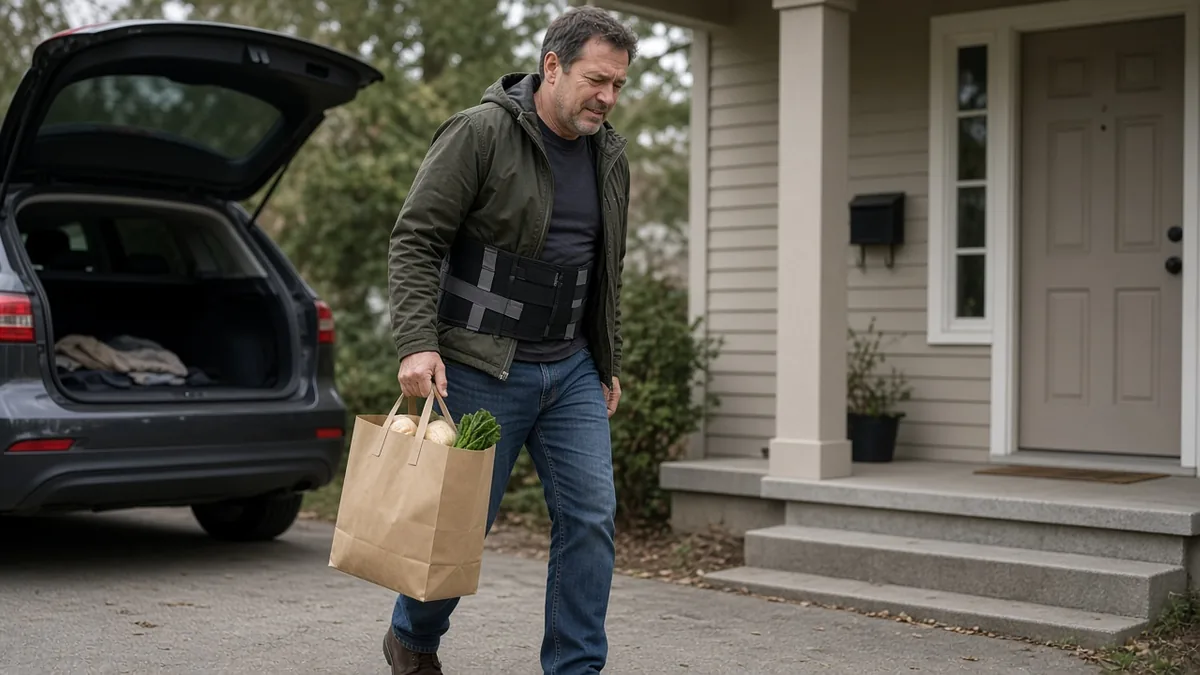
The danger with insurance surveillance usually isn’t the video itself. It is the gap between the video and what was said. An injured person has good days and bad days. A clip of someone carrying a bag of groceries for ten seconds doesn’t show the pain that night or the days of rest it took. Insurers sometimes show short clips with no context to suggest that a claimant is exaggerating. Problems arise when the video appears to contradict something you told a doctor, wrote on a form or said in a statement.
If a case goes into a lawsuit, your lawyer can ask in discovery whether surveillance exists, and the rules about when it has to be turned over can be technical. This is one reason to have a lawyer review your claim early.
What to do if you think you’re being watched
- Be honest, always. Honest descriptions of your pain and limits are your strongest protection. Insurance surveillance only hurts when it contradicts something you said.
- Follow your doctor’s restrictions. If you were told not to lift, don’t. If you choose to do an activity, tell your doctor and be accurate about how it affected you.
- Keep a simple daily journal of symptoms, activities and the pain that follows. It explains good days and bad days.
- Be careful online. Don’t post about activities, trips or the accident itself. Don’t delete old posts without talking to a lawyer, because deleting can raise its own problems.
- Don’t confront anyone. If someone seems to be following or filming you, note the date, time and vehicle if you can, and tell your lawyer. Don’t argue or follow them.
- Think before agreeing to a recorded statement or signing broad authorizations.
Is that fair? What if the insurer is acting in bad faith?
Insurers have a right to investigate a claim. But they must also handle claims fairly. If your own insurer is delaying or denying a claim without a reasonable basis, see our insurance bad faith lawyer page.
Don’t let surveillance rush your decisions
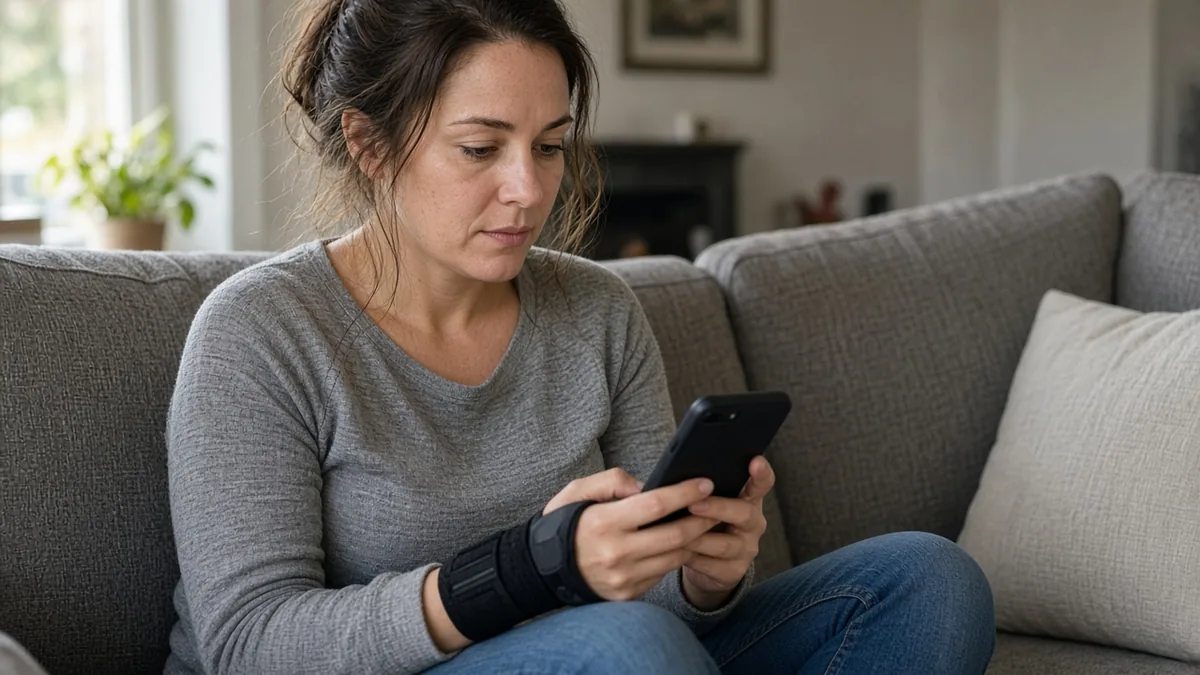
Insurance surveillance is one reason people feel pressure to settle quickly or to “get back to normal” before they have healed. Don’t let it. Heal at the pace your doctor recommends, and remember the filing deadlines: one year for many Kentucky injury claims under KRS 413.140, and two years from the injury or last PIP payment for most motor-vehicle claims under KRS 304.39-230. See our statute of limitations guide.
How Forman & Associates helps
We prepare clients for what insurers may do, review your statements and social media before they become a problem, and push back when an insurer tries to use a clip out of context. Larry Forman has 13 years of experience, and he has tried 50+ jury trials and won 95% of them. You pay no fee unless we win.
Insurance surveillance FAQ
Can an insurance company follow me after an accident?
Insurers and their lawyers can hire investigators to watch people who have made injury claims. Investigators generally may film what is visible from public places, but they may not trespass or secretly record private conversations they are not part of.
Can my own insurer record my phone call?
Kentucky requires the consent of at least one party to a conversation. An adjuster who is on the call is a party, so insurers can record their own calls, usually after telling you. Ask whether the call is being recorded, and talk to a lawyer before giving a recorded statement.
Will social media posts hurt my claim?
They can. Photos and comments are often taken out of context. Keep your accounts private, don’t post about the accident or your activities, and don’t delete posts without advice.
Does surveillance mean the insurer thinks I’m lying?
Not necessarily. Investigation is routine in many claims. Honest claimants who follow their doctors’ advice have little to fear.
Talk to a Louisville injury lawyer
Worried an insurer is watching your claim? Get a free case evaluation by calling (502) 931-6788 or contact us online. Our office is at 1139 S. 4th St., Louisville. No fee unless we win.
This post is general information about Kentucky law, not legal advice. Every case is different.