Reviewed by Larry Forman, Attorney.
Key takeaways: In Brooks v. City of Leitchfield, an unpublished, divided decision, the Court of Appeals vacated summary judgment in a city pool injury case and remanded for further proceedings. The record did not establish the City’s entitlement to CALGA immunity at that stage; the court did not decide that the City was liable.
A city pool is only one of the facilities Kentucky cities run, along with splash pads, parks and recreation centers. When someone gets hurt at a city pool or one of those other places, the city usually raises two defenses: “We didn’t know about the problem,” and “We’re immune.” In Brooks v. City of Leitchfield, No. 2025-CA-1233-MR, the Kentucky Court of Appeals vacated summary judgment that rested on both defenses and sent the case back to the trial court.
One important caveat up front: the opinion is marked “Not To Be Published.” Under Kentucky’s appellate rules (RAP 41), an unpublished opinion doesn’t bind other courts, though lawyers can cite it as persuasive authority. One of the three judges dissented, and the decision sends the case back to the trial court rather than deciding who wins. Further review may be possible, so check the current docket for any discretionary-review or finality developments.
What happened in the city pool injury case
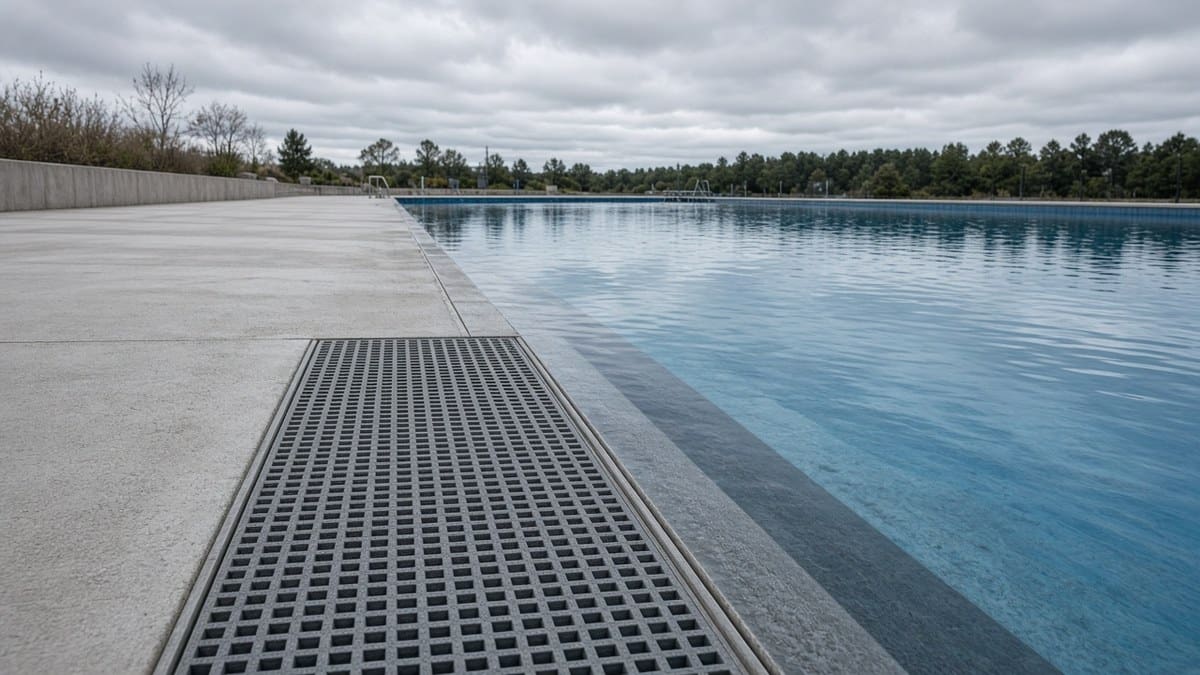
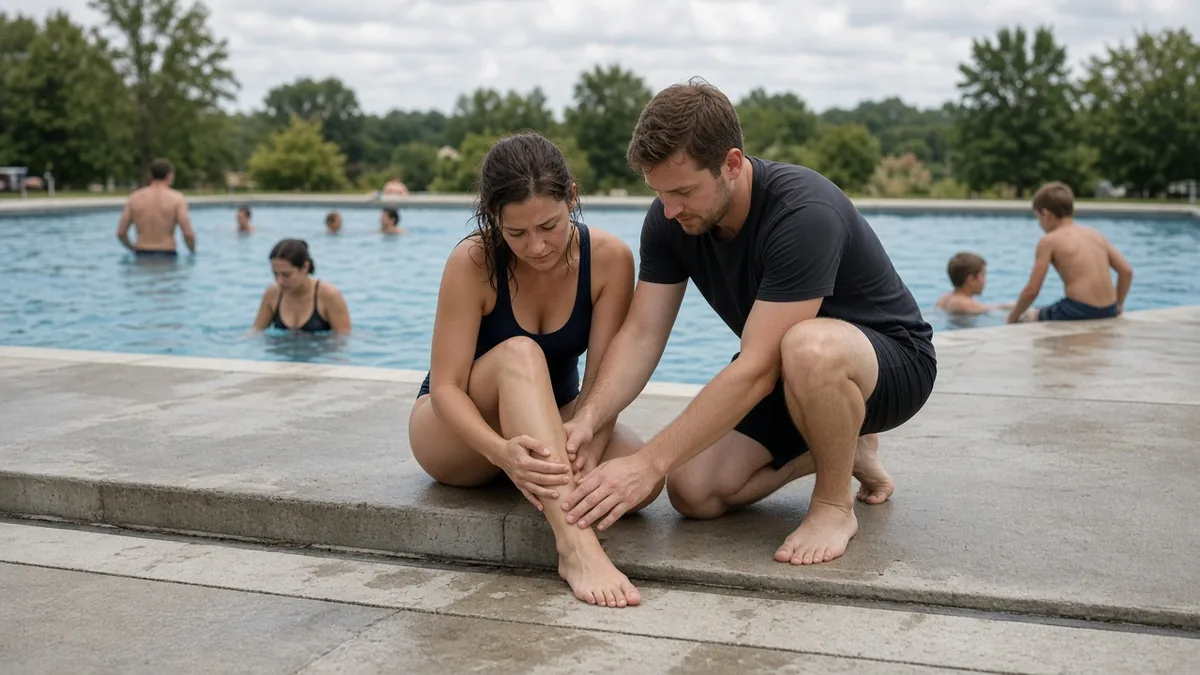
- In June 2022, the plaintiff was walking poolside at a community aquatic center owned and operated by the City of Leitchfield. Her left foot and ankle fell through PVC deck grating that circled the zero-entry pool, cutting her leg.
- She sued in Grayson Circuit Court in 2023.
- During discovery, the City said it inspected the grating “periodically” or “from time-to-time.” It wouldn’t say when the grating had last been inspected or replaced. Asked for inspection documentation and maintenance records, it answered “none.”
- In August 2025, the trial court granted the City summary judgment. It found that the City had no notice of a problem and that CALGA (Kentucky’s Claims Against Local Governments Act) protected it.
What the Court of Appeals held
The majority (Judge Cetrulo, joined by Judge Caldwell) vacated the judgment and sent the case back.
1. A property owner has a duty to discover hazards, not just a duty to respond to complaints
A patron at a city pool is generally an invitee. Kentucky law requires an owner to keep its property reasonably safe for invitees. That includes a duty to discover unreasonably dangerous conditions, and then fix them or warn about them. The court said a lack of notice doesn’t end the case when the owner never looked. A jury could find that failing to inspect and maintain grating around a public pool created an unreasonable risk.
2. An owner can’t refuse to produce records and then say there’s no evidence
This line from the opinion matters to anyone with a premises case: “we do not believe a landowner may refuse requests for maintenance reports, then argue the invitee failed to present evidence the grating was not properly maintained.”
3. The hazard wasn’t open and obvious
The grating was built to be walked on, and nothing suggested it would give way. The court noted that an invitee is “not required to look directly down at her feet with each step.” It distinguished the “loose water meter” cases, in which a utility’s liability turned on notice. Here the City itself owned and maintained the pool.
4. CALGA immunity didn’t apply, at least not yet
CALGA (KRS 65.200–65.2006) protects cities for some discretionary decisions, such as how to allocate money, and for some failures to inspect (KRS 65.2003(3)(d)–(e)). But the Kentucky Supreme Court has said that CALGA doesn’t protect a city’s negligence in ministerial duties (Morales v. City of Georgetown, 709 S.W.3d 146 (Ky. 2024)). Deciding to build a pool is discretionary. Keeping it in safe repair once it’s open looks ministerial. Based on the record before it, the court said it believed the duty was ministerial. But the record didn’t include the City’s internal rules or policies, so the court couldn’t rule out immunity for good. It held the City was “not entitled to statutory local governmental immunity under CALGA at this time.”
The dissent
Chief Judge Thompson would have affirmed. He wrote that the plaintiff offered no affirmative evidence, lay or expert, that the grating was damaged or poorly maintained. He also noted that she never moved to compel better discovery answers or asked for more time. There’s a practical lesson in that: evidence and discovery motions matter early.
What this means if you’re hurt at a city pool, park or rec center
- “We didn’t know” is not the end of the story. The question is whether the city reasonably should have found the problem.
- Ask for inspection and maintenance records, and push for them. If a city says it has none, that answer can become evidence in its own right. If the answers are vague, your lawyer can file a motion to compel.
- Immunity depends on the facts. Routine upkeep of an existing pool, deck, playground or walkway may be ministerial. Budget decisions and the choice to build a facility may be discretionary.
- Who owns the property matters. CALGA covers cities. State parks are different: claims against the Commonwealth generally go through the state administrative claims process, not circuit court. Counties and school boards have their own immunity rules.

Deadlines and notice rules
Most Kentucky premises injury claims must be filed within one year (KRS 413.140(1)(a)). There’s also a separate trap. If you were hurt by a defect in a city bridge, street, sidewalk, alley or other public thoroughfare, KRS 411.110 requires written notice to the mayor or city clerk within 90 days. Kentucky courts enforce that notice rule strictly. See our Kentucky statute of limitations guide.
Steps to take after an injury at a public pool or park
- Report the injury to staff and ask for a copy of the incident report.
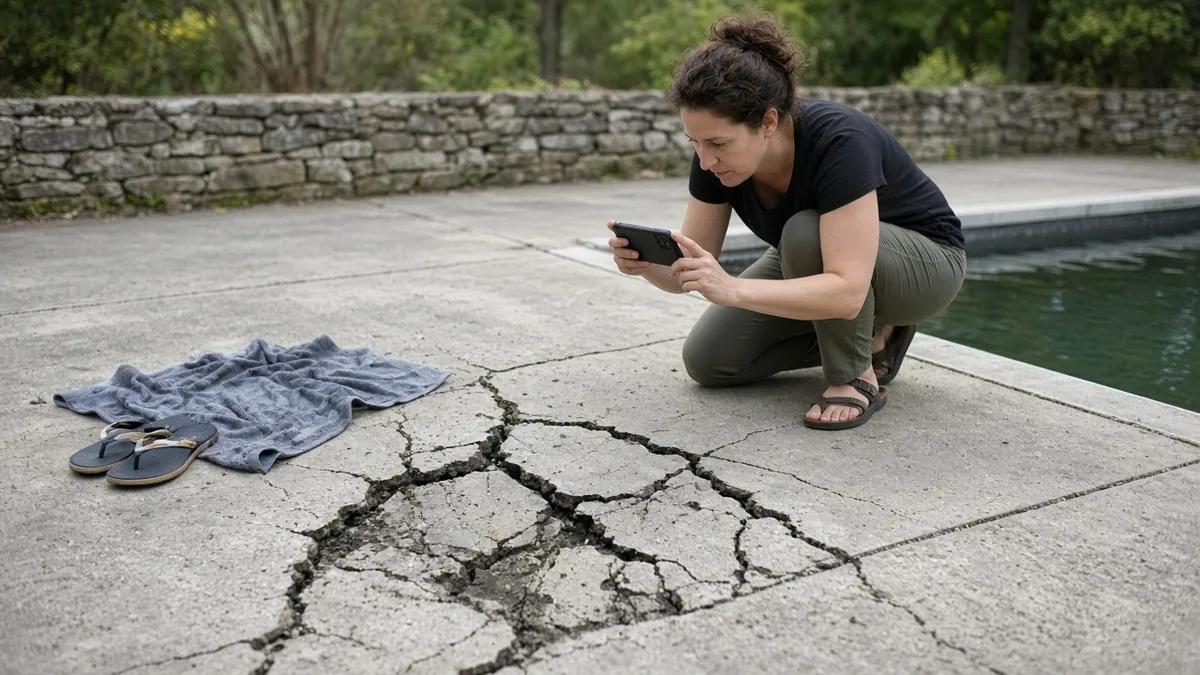
- Photograph the exact spot: the grating, deck, steps, ladder, drain or walkway. Get close-ups and wide shots.
- Keep your shoes, swimsuit and any broken pieces.
- Get the names of lifeguards, staff and witnesses.
- Get medical care right away, and photograph cuts or scarring as they heal.
- Talk to a lawyer before the city’s insurer takes a recorded statement.
How Forman & Associates helps
We handle injury claims against property owners across Kentucky, including cities. We send preservation and records requests early, push for inspection and maintenance logs, retain experts when the defect needs explaining, and keep track of city pool immunity issues and the 90-day notice deadline. Our Leitchfield personal injury lawyer page covers Grayson County claims. For drowning and near-drowning cases, see our pool accident page. Larry Forman has 13 years of experience, and he has tried 50+ jury trials and won 95% of them. You pay no fee unless we win.
City pool and park injury FAQ
Can I sue a city for an injury at a public pool in Kentucky?
Sometimes. CALGA protects cities for certain discretionary decisions, but not for negligence in ministerial duties such as routine maintenance. Whether immunity applies depends on the facts.
Does the city have to know about the hazard before it’s liable?
Not always. Kentucky owners owe invitees a duty to discover unreasonably dangerous conditions. In Brooks, the court said a lack of notice didn’t excuse a city that couldn’t show it ever inspected.
Is Brooks v. City of Leitchfield binding law?
No. It’s an unpublished Court of Appeals opinion with a dissent. Courts may consider it as persuasive authority, but it doesn’t bind them.
How long do I have to file a claim for a city pool or park injury?
Generally one year from the injury. If a city street, sidewalk or other public thoroughfare was involved, you may also need to give written notice within 90 days.
Talk to a Kentucky premises liability lawyer
Hurt at a city pool, park or recreation center? Get a free case evaluation or call (502) 931-6788. No fee unless we win. Our office is at 1139 S. 4th St., Louisville.
This post is general information about Kentucky law, not legal advice. Every case is different.