Reviewed by Larry Forman, Attorney.
Key takeaways: If you have an Airbnb injury or get hurt at a Vrbo or other Kentucky short-term rental, the claim usually runs against the host or property owner under premises liability law, and platform host-liability programs may apply when the host is legally responsible, subject to their terms. Claims directly against the platform are uncommon.
Holiday travel fills Kentucky vacation rentals, from bourbon-country cabins to Louisville houses rented for family gatherings. Most stays go fine, but an Airbnb injury can still happen. Broken deck boards, loose stair railings, unfenced pools, hot tubs and faulty gas appliances injure guests every year. Here’s how responsibility works after an Airbnb injury or any other rental injury.
Who can be responsible for an Airbnb injury or other vacation rental injury?
Kentucky treats a short-term rental much like any other property where a paying guest is invited. Depending on the facts, responsible parties can include:
- The host or owner. This is the person who controls the property and is responsible for keeping it reasonably safe.
- A property manager or co-host. These are companies or individuals hired to clean, inspect, repair or manage bookings.
- Contractors. This covers whoever built or repaired a deck, stairs, railing, pool barrier or gas line.
- Product makers. Defective space heaters, furnaces, hot tub parts or furniture can be part of the case.
- The platform. Airbnb and Vrbo describe themselves as marketplaces, not property owners or operators. Claims directly against a platform are uncommon and depend on the facts and the platform’s terms.
What duty does a host owe a guest?
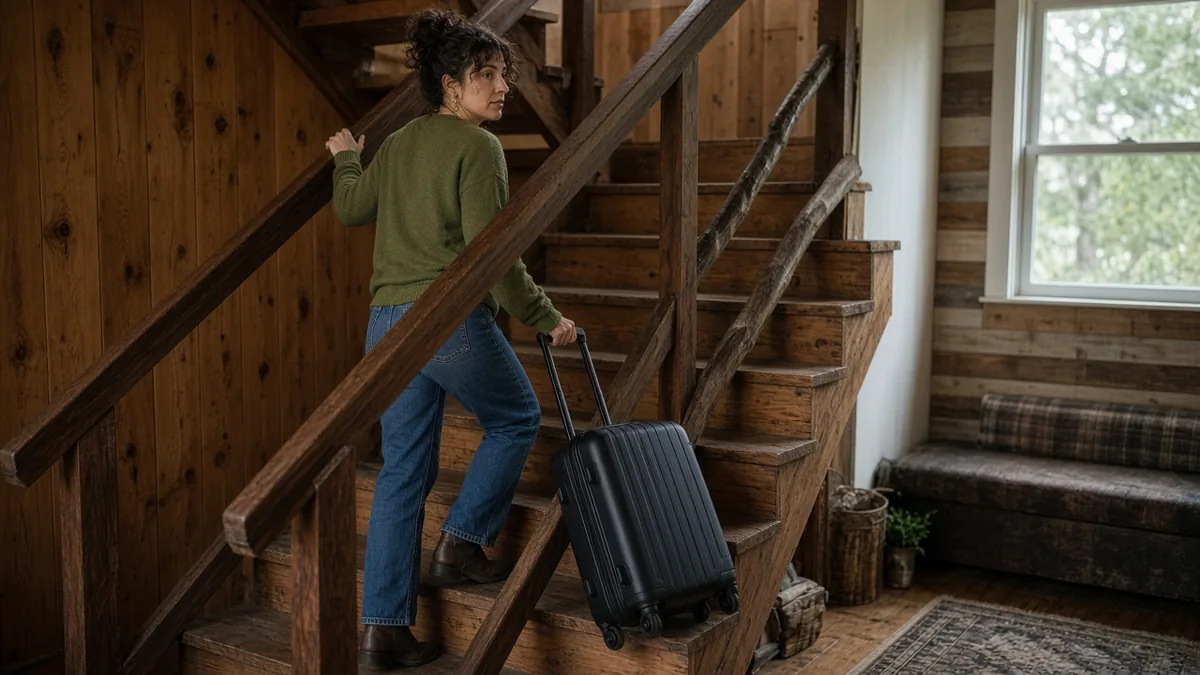
A paying guest is generally an invitee. Under Kentucky premises law, an owner must keep the property reasonably safe for invitees. That means inspecting for hazards, fixing them, or warning guests about dangers that aren’t obvious. A host who never checks the deck or ignores a guest review that complained about a wobbly railing has a hard time arguing they didn’t know.
Kentucky also uses pure comparative fault. Even if the insurer argues you should have been more careful, your recovery is reduced by your share of fault, not barred entirely.
Common short-term rental injuries
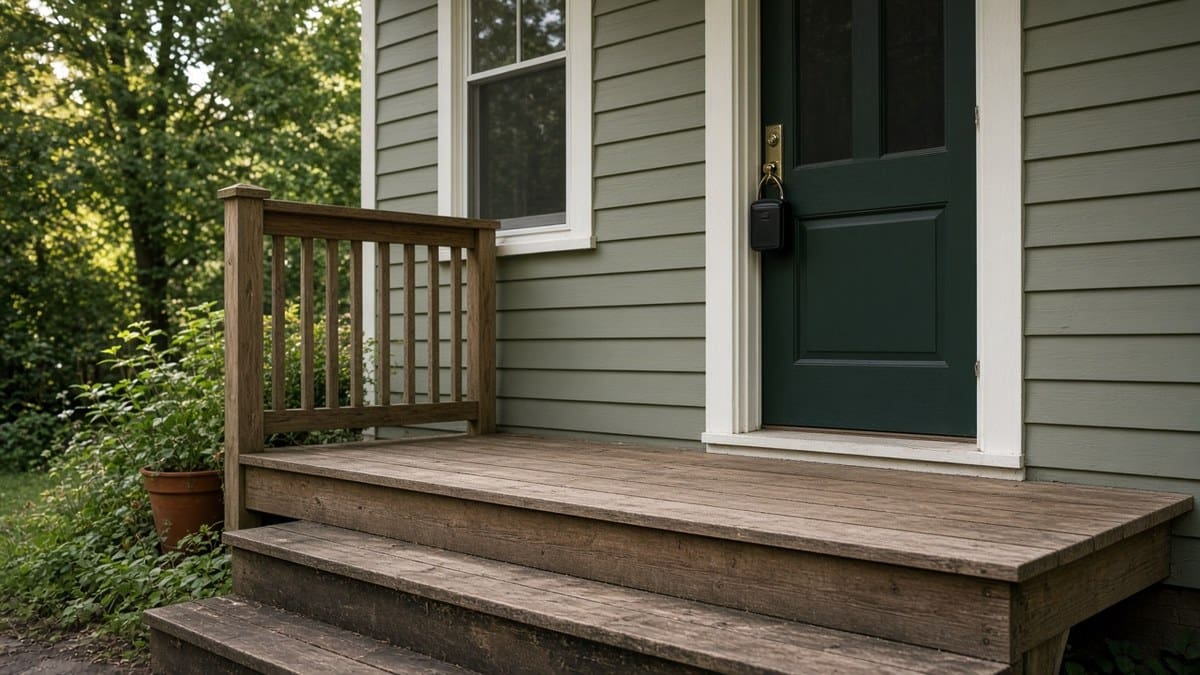
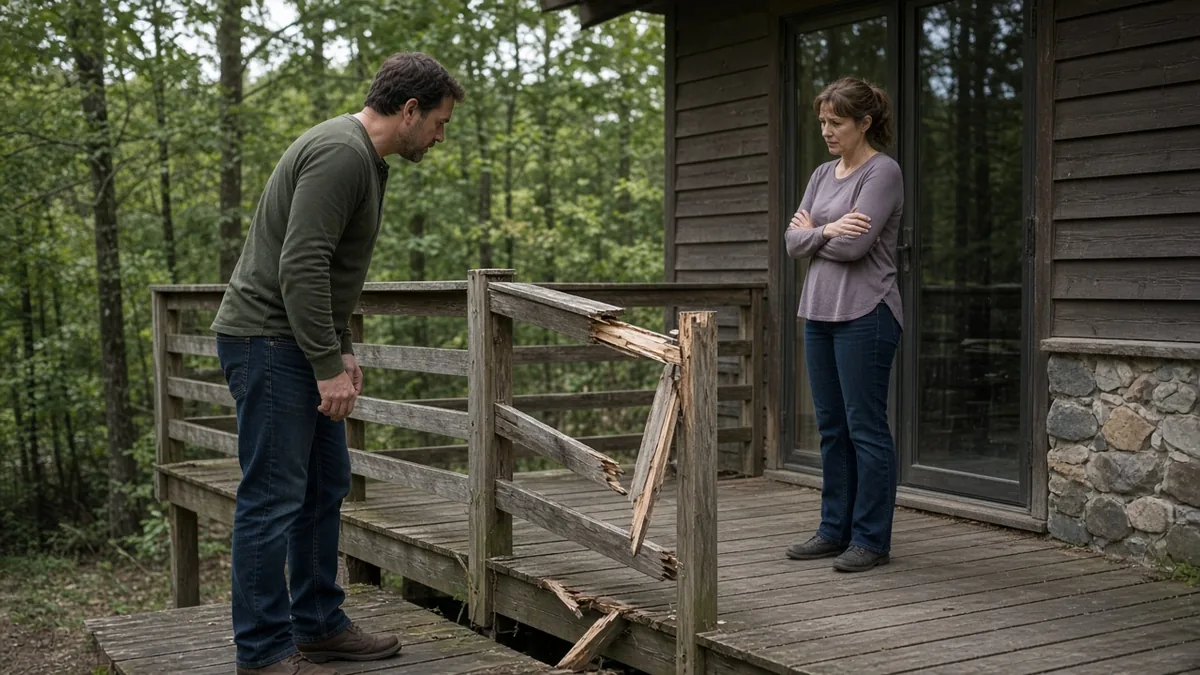
- Falls on steep or poorly lit stairs, loose railings, rotten deck boards and slippery entries. See our stairway fall page.
- Pool and hot tub injuries, including drowning risks where there’s no barrier, broken drain covers, and slips on the deck.
- Carbon monoxide from poorly vented furnaces, water heaters or fireplaces, especially in winter. See our carbon monoxide poisoning page.
- Fires and burns from faulty wiring, heaters or fire pits.
- Dog bites from a host’s or neighbor’s dog on the property.
- Bunk bed and furniture collapses.
How Airbnb and Vrbo host liability coverage works
Both major platforms offer liability protection for hosts. This is coverage for the host when a guest makes a claim. It is not a fund that pays guests automatically.
Airbnb and Vrbo. Airbnb’s AirCover for Hosts and Vrbo’s host liability program may apply when a host is legally responsible for a guest’s injury, subject to the booking requirements, policy limits and exclusions in force for that stay. They do not guarantee payment to an injured guest. Their current terms, limits and any deductible or priority rules should be checked for the specific stay.
Why booking through the platform matters: if you paid the host directly, off the platform, a platform’s liability program may not apply at all.
What about the host’s own insurance?
Many hosts carry homeowner’s or landlord coverage. But standard homeowner’s policies often exclude or limit business or rental activity, so a host renting out a house may need a separate short-term rental or commercial policy. Finding every policy that might cover the claim is often the most important part of the case. A short-term rental injury can involve the host’s policy, the platform’s program and a property manager’s policy, all at the same time.
What to do if you’re hurt at a short-term rental
- Get medical care, and tell the provider exactly how the injury happened.
- Photograph everything before anything gets repaired: the stairs, the railing, the lighting, the pool gate, the CO alarm (or the missing one).
- Save the listing and the booking. Screenshot the listing, the house rules, the photos and the past reviews. Listings can be edited or taken down.
- Report the injury to the host and through the platform’s app, in writing. Keep copies of every message.
- Get witness names from the people staying with you.
- Be careful with recorded statements to the host’s insurer. Talk to a lawyer first.
Deadlines
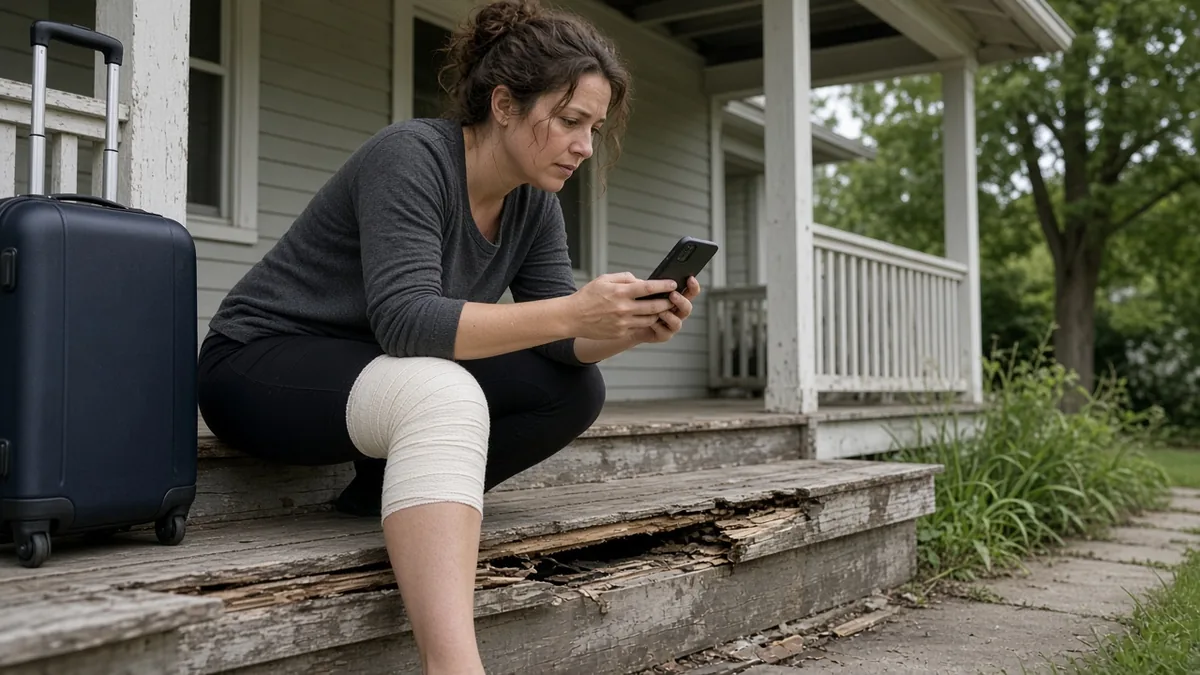
Most Kentucky premises injury claims must be filed within one year of the injury (KRS 413.140(1)(a)). If you live in Kentucky but were hurt at a rental in another state, that state’s laws and deadlines may apply instead. See our Kentucky statute of limitations guide.
How Forman & Associates helps
If you suffered an Airbnb injury, we investigate who owned, managed and maintained the property. We preserve the listing, messages and reviews, identify every insurance policy that may apply, including platform host-liability programs, and build the case for your medical bills, lost wages and pain and suffering. We also handle hotel and motel injuries and other premises liability claims. Larry Forman has 13 years of experience, and he has tried 50+ jury trials and won 95% of them. You pay no fee unless we win.
Airbnb injury and Vrbo injury FAQ
Can I sue Airbnb if I’m injured at a rental?
For an Airbnb injury, the claim is usually against the host or owner, not Airbnb. Airbnb’s host liability program may then apply to the host if the host is legally responsible, subject to its terms, limits and exclusions. It does not guarantee payment to an injured guest.
Does Vrbo’s liability insurance cover guest injuries?
Vrbo’s host liability program may protect hosts when guests make claims, depending on how the reservation was booked and the program’s terms and exclusions. It covers the host’s liability, not every injury.
What if the host doesn’t have insurance?
Platform programs, a property manager’s policy or other policies may still apply. A lawyer can track down every possible source of coverage.
How long do I have to file a vacation rental injury claim in Kentucky?
Generally one year from the date of the injury for premises claims in Kentucky. Don’t wait, because rental properties get repaired and listings change quickly.
Talk to a Kentucky premises liability lawyer
Had an Airbnb injury or got hurt at a Vrbo or other vacation rental? Get a free case evaluation or call (502) 931-6788. No fee unless we win. Our office is at 1139 S. 4th St., Louisville.
This post is general information about Kentucky law, not legal advice. Every case is different.