Reviewed by Larry Forman, Attorney.
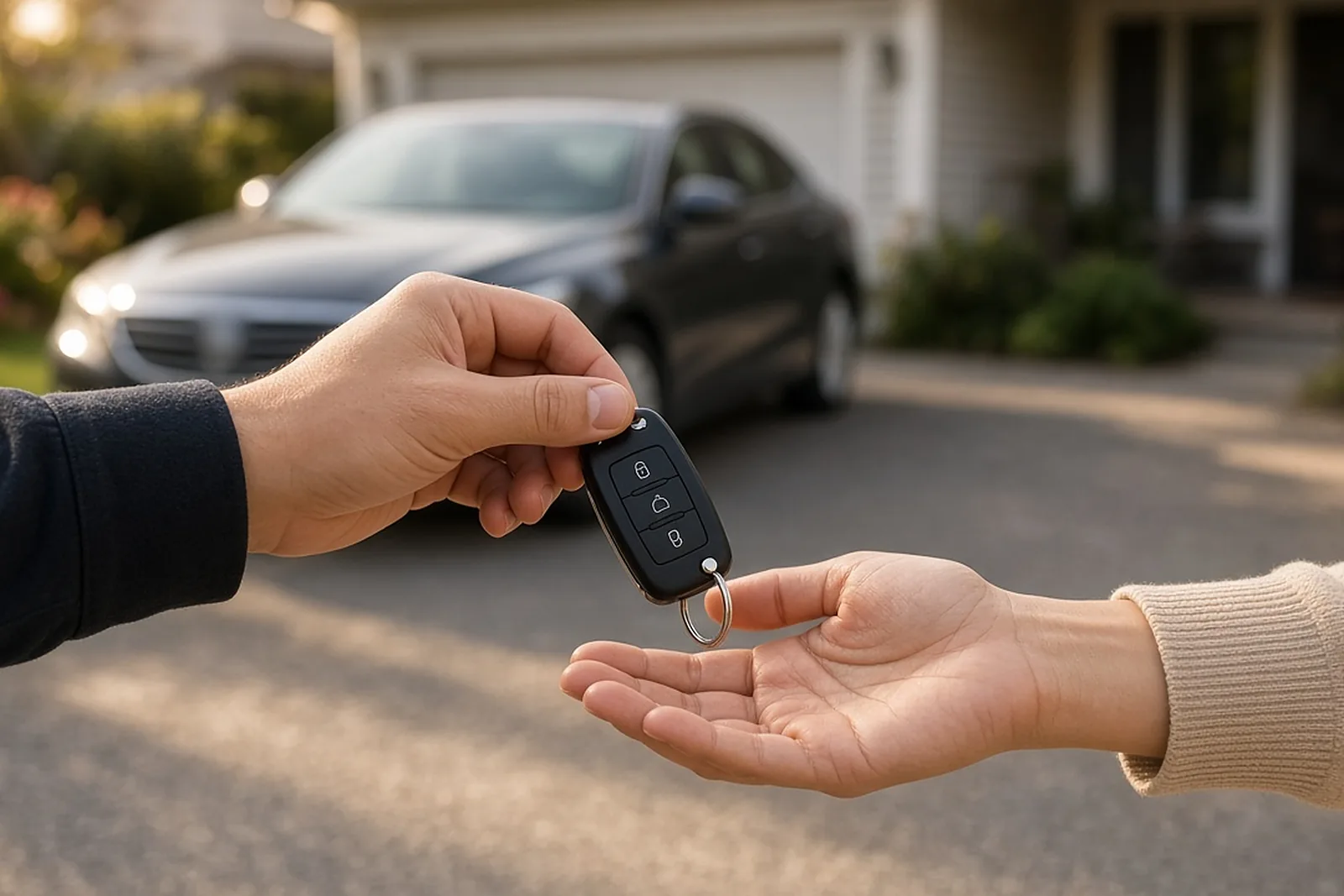
People borrow cars all the time: a friend’s car for an errand, a parent’s car for the weekend, a coworker’s truck for a move. Then there’s a borrowed car accident, and suddenly nobody knows whose insurance is supposed to pay. Kentucky’s answer depends on what kind of coverage you’re talking about.
PIP: the policy on the car usually comes first
For no-fault (PIP) benefits, Kentucky looks first to the insurance covering the vehicle the injured person was in (KRS 304.39-050(1)). So if you’re hurt while driving or riding in a borrowed car, PIP on that car generally pays your medical bills and lost wages, up to $10,000. If that insurer doesn’t pay within 30 days after reasonable proof of the loss, you can claim under a policy where you’re an insured, and that insurer can seek reimbursement. If the car had no insurance at all, a policy you’re covered under applies (KRS 304.39-050(2)). See how Kentucky PIP works and directing PIP benefits.
Liability: “insurance follows the car,” usually
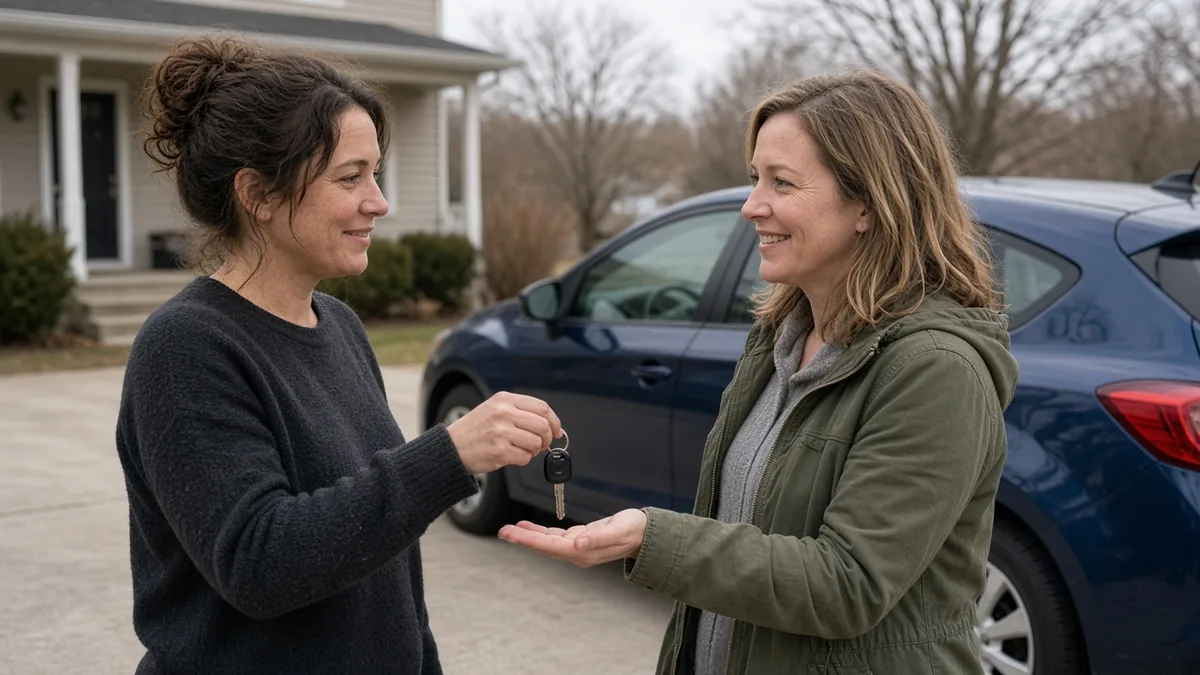
Most auto policies cover people who drive the insured car with the owner’s permission. So when a borrowed car causes a crash, the owner’s liability policy is usually the first to pay the people who were hurt. The driver’s own policy, if they have one, may then apply as excess coverage. The exact order depends on the policy language, so get copies of both policies’ declarations pages.
If the driver didn’t have permission, or the policy excludes the driver, coverage can be disputed. That’s when your own uninsured motorist coverage may matter.
When the owner can be liable for a borrowed car accident
Lending a car usually doesn’t make the owner personally responsible for the driver’s mistakes. But there are exceptions:
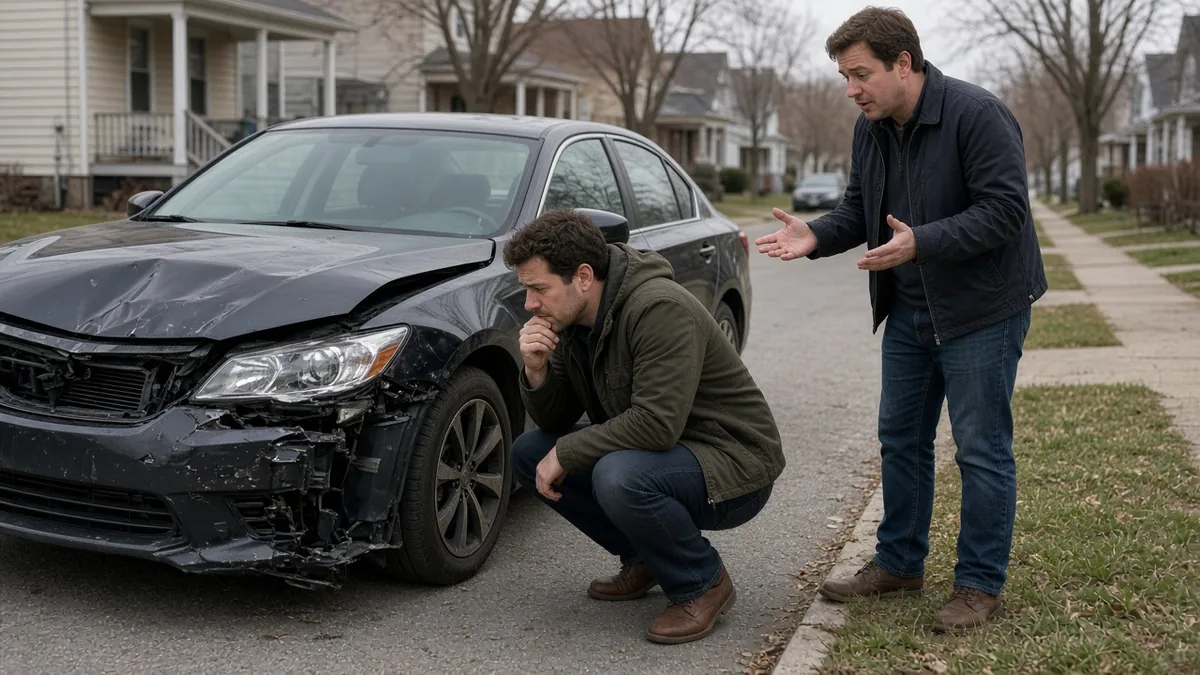
- Negligent entrustment: the owner let someone drive who they knew, or should have known, was unfit, such as an unlicensed, impaired or reckless driver.
- Teen drivers: when a parent or guardian signed a minor’s license application, the minor’s negligent driving is imputed to the signer, who can be jointly liable (KRS 186.590). See teen driver accidents.
- Driving for work: if the driver was doing a job for the owner or an employer, the business can be responsible. See company vehicle accidents.
If you were a passenger
A passenger can make a claim against whichever driver caused the crash, even a friend or relative who was driving. The claim is paid by insurance, not out of your friend’s pocket. See passenger injury claims.
If someone wrecked your car
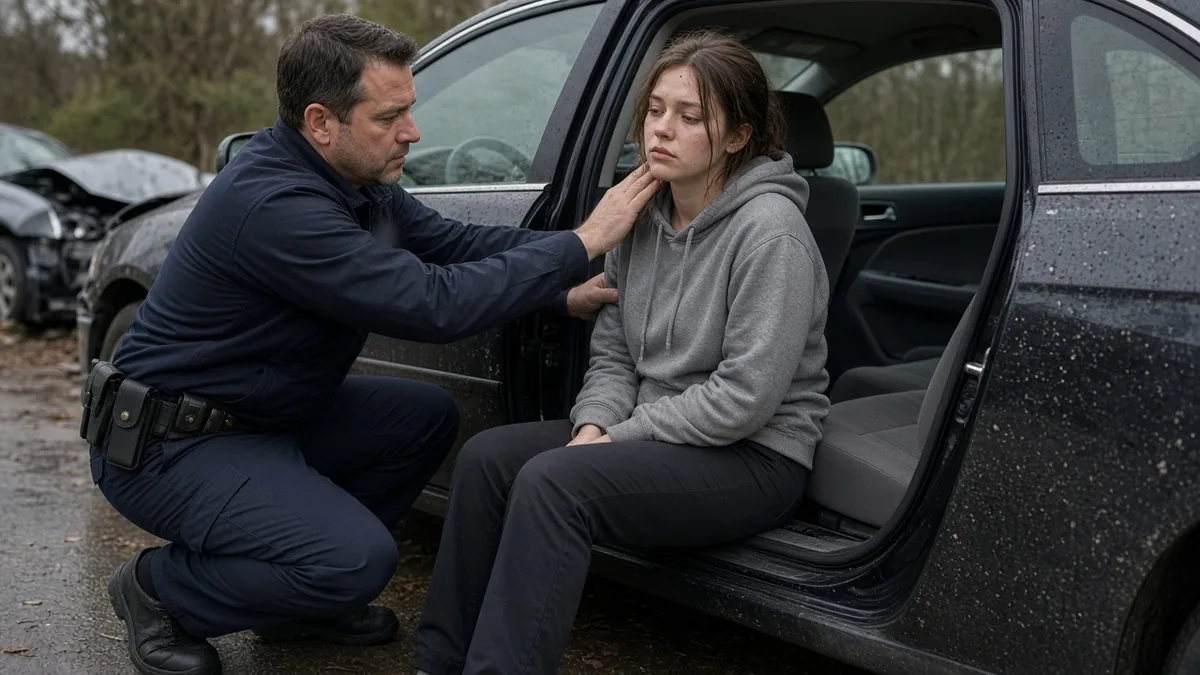
- Report the crash to your insurer right away.
- Your collision coverage can pay for repairs, minus your deductible, and your insurer may recover from the at-fault driver’s insurer. See property damage claims.
- A claim on your policy may affect your premium. See insurance rates after an accident.
Rental cars and car-sharing
Rental and peer-to-peer car-sharing vehicles have their own coverage rules. See rental car accidents.
Kentucky uses pure comparative fault (KRS 411.182), and most car accident lawsuits must be filed within two years after the injury or the last PIP payment, whichever is later (KRS 304.39-230(6)). If you were hurt, see our Louisville car accident lawyer page.
Borrowed car accident FAQs
Does insurance follow the car or the driver in Kentucky?
Usually the car comes first. PIP generally comes from the policy on the vehicle you were in (KRS 304.39-050), and most liability policies cover permissive drivers. The driver’s own policy may apply as excess.
Am I liable if someone I lent my car to crashes?
Usually not personally, unless you knew or should have known the driver was unfit (negligent entrustment), you signed a minor’s license application (KRS 186.590), or the driver was doing a job for you.
I was hurt driving a friend’s car. Whose PIP pays?
Generally the PIP on your friend’s car, up to $10,000. If that insurer doesn’t pay within 30 days after reasonable proof, you can claim under your own policy.
Will my insurance go up if someone else wrecked my car?
It can, especially if you file under your collision coverage. Whether a rate increase is allowed depends on fault and your insurer’s rules.
Borrowed car accident? Let’s sort out the coverage.
Tell us what happened. We’ll explain your options and what to do next. The consultation is free. Get a free case evaluation or call (502) 931-6788. Our office is at 1139 S. 4th St., Louisville.
This post is general information about Kentucky law, not legal advice. Every case is different.