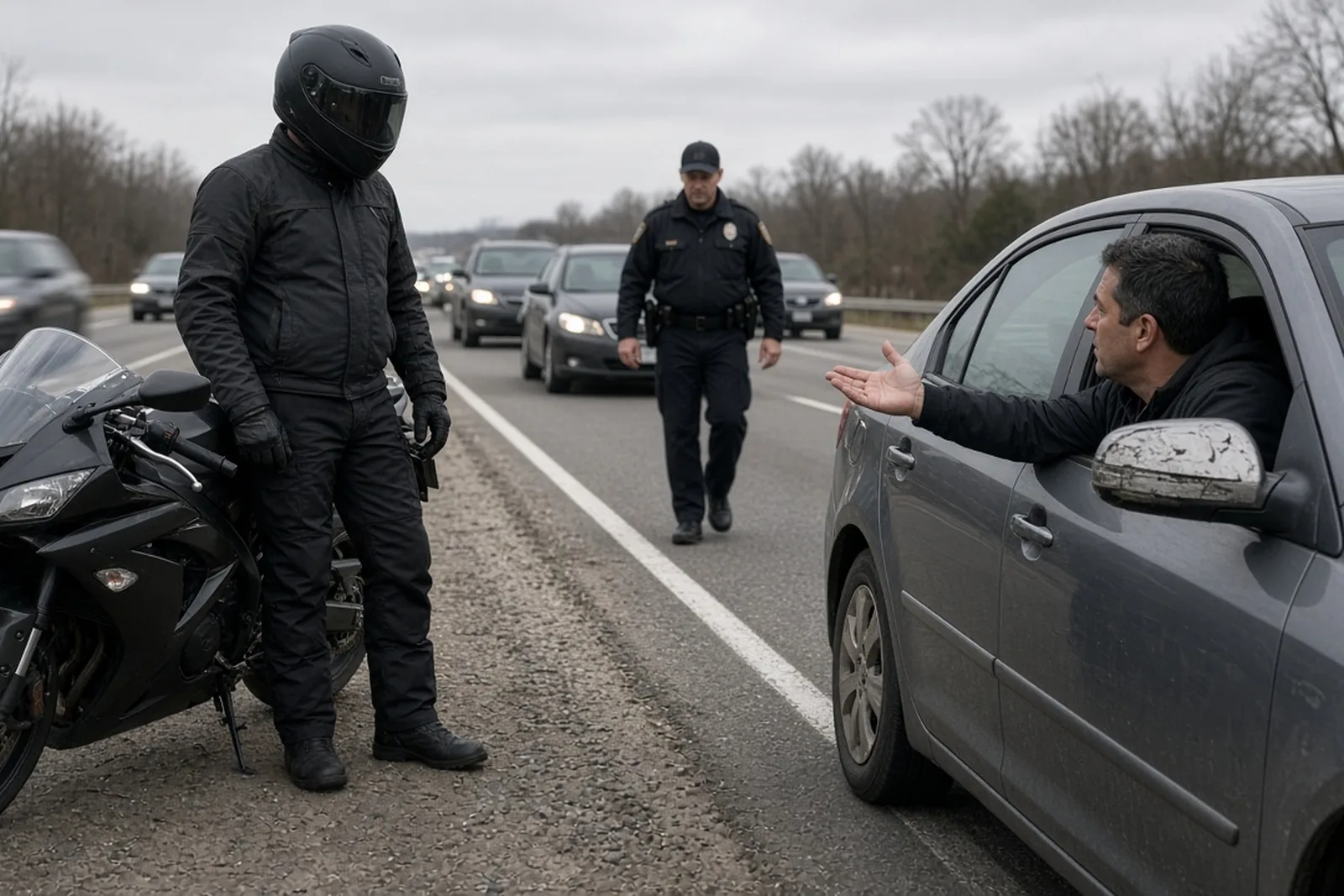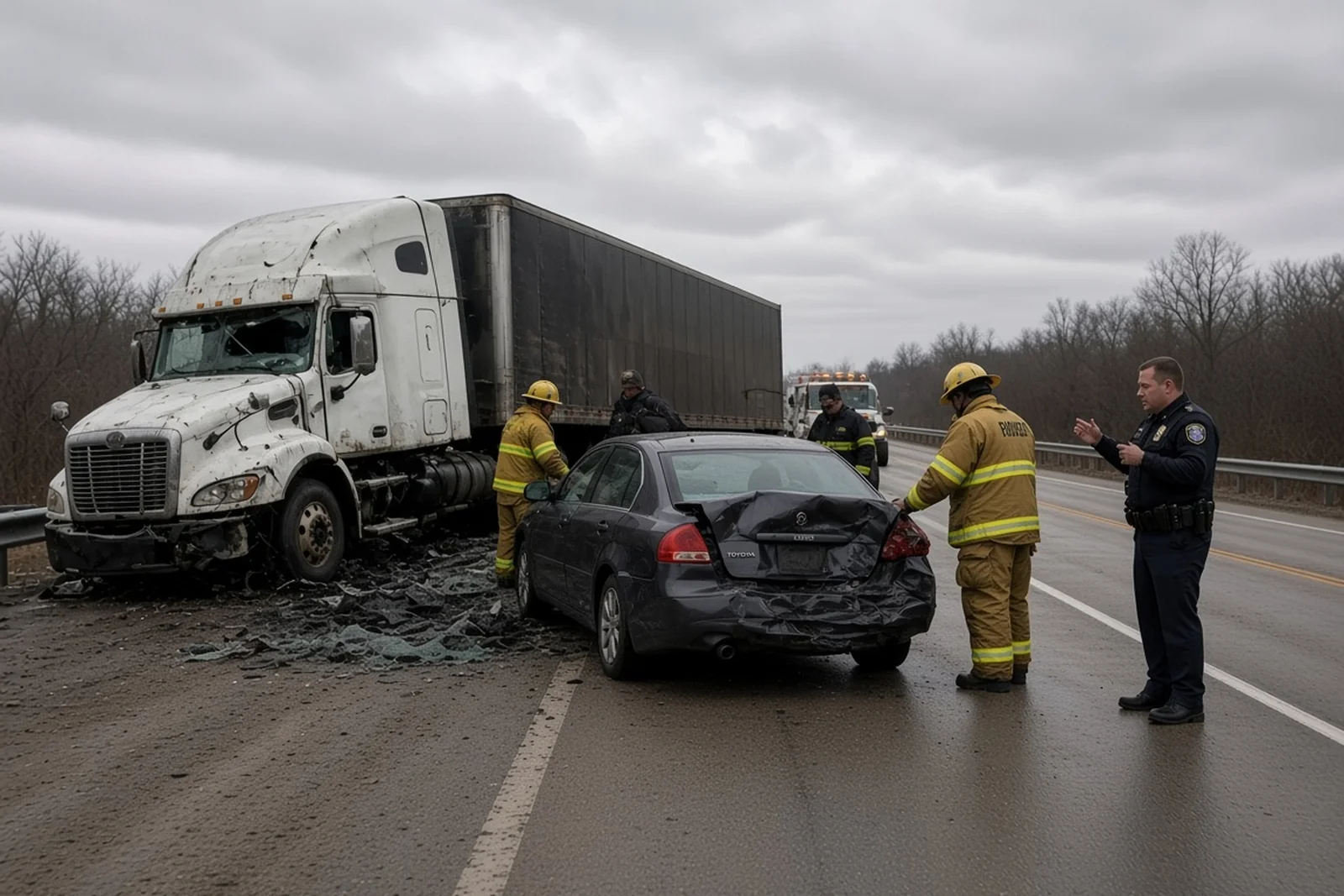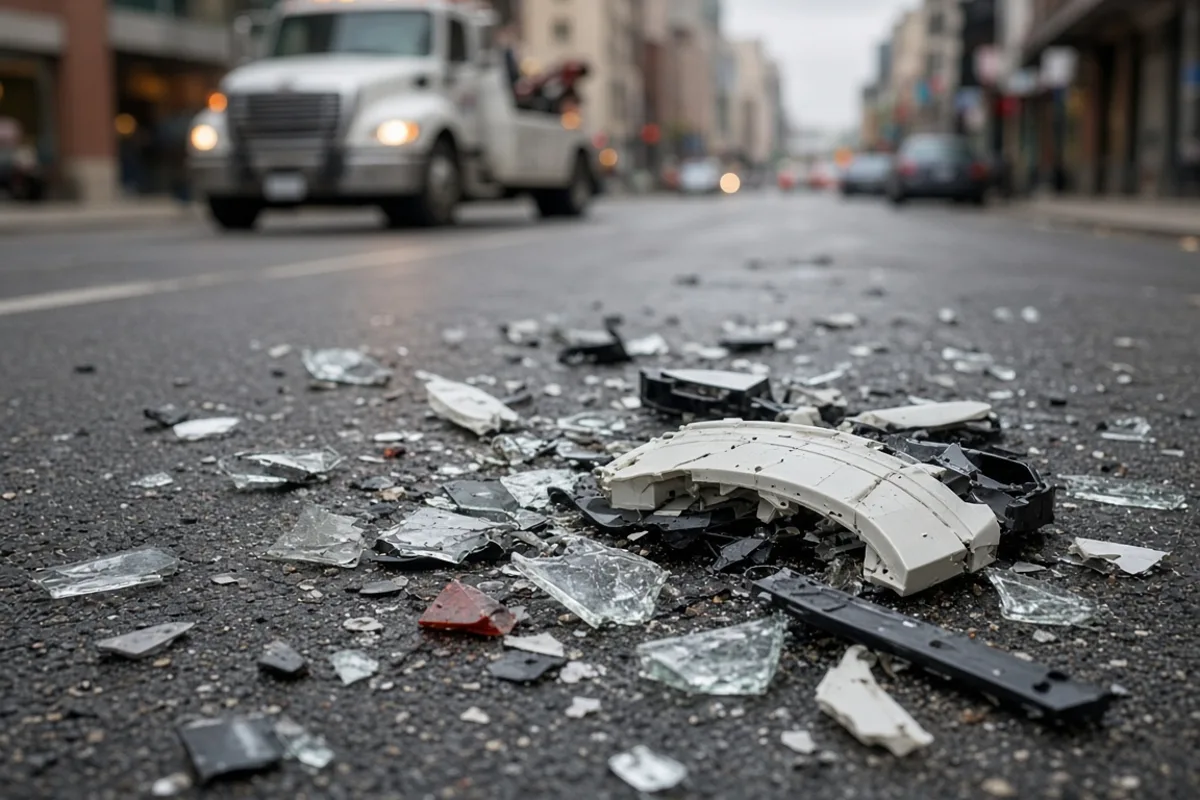
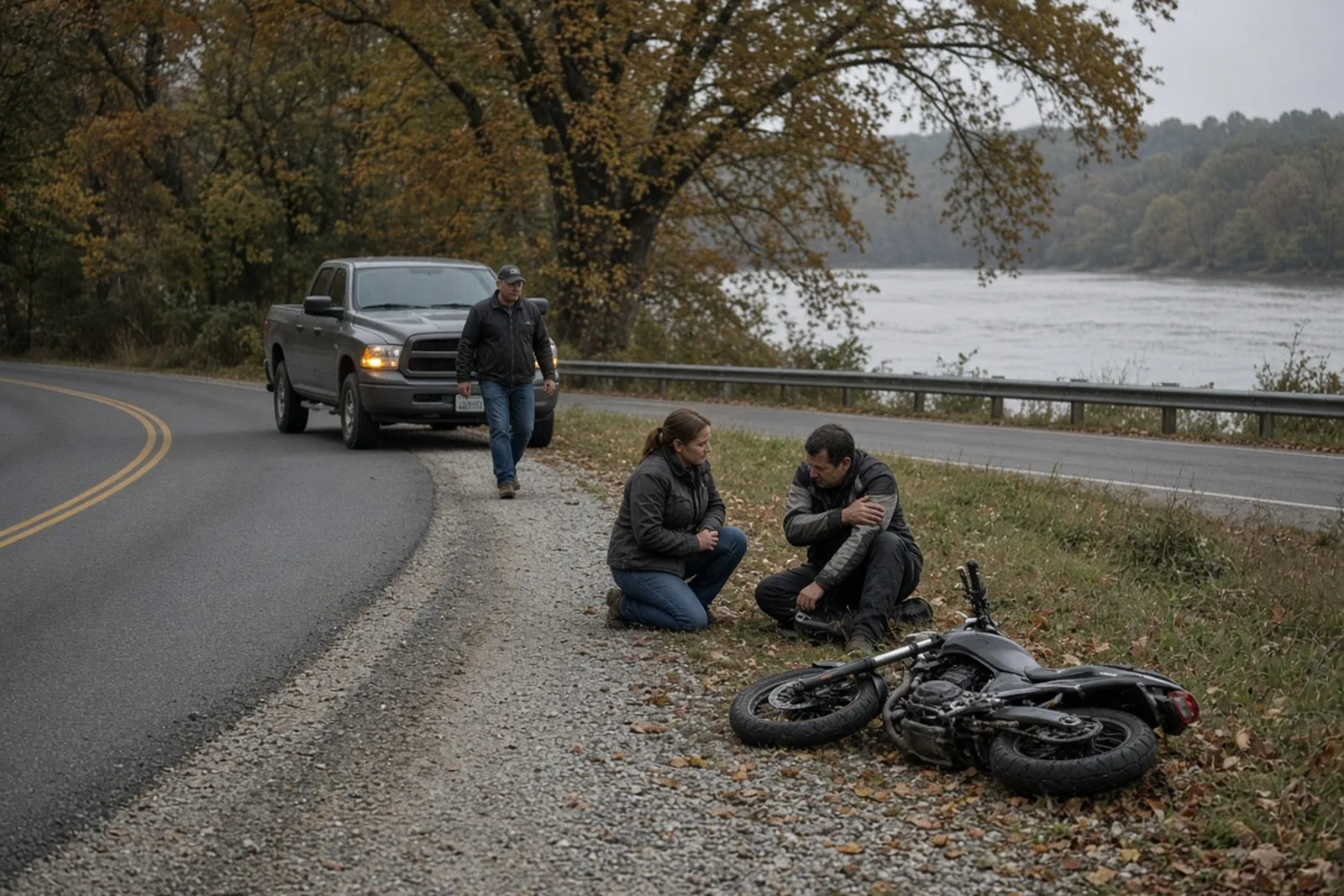
River Road can feel like a rider’s reward, until a blind curve, loose gravel, or a left-turning car changes everything. Motorcycle crashes on River Road often start with hazards that are easy to overlook in weekend traffic, especially along the riverbank and the scenic corridors of US-42 and Brownsboro Road. This guide is for riders and families who want clear, practical information before or after a crash.
You will learn why these routes attract riders and risk, then examine motorcycle crashes on River Road and risks on US-42 through Prospect and Goshen, and Brownsboro Road. We cover the first 24 hours after a motorcycle crash, Kentucky road-defect claims, motorcycle insurance rules, including optional PIP and comparative fault, and the filing deadlines that can affect your claim. The goal is to help you protect your health, your evidence, and your legal options.
Reviewed by Larry Forman, Attorney. No fee unless we win. Call (502) 931-6788 for a free case review.
Why Louisville’s Scenic River Corridors Attract Riders and Risk
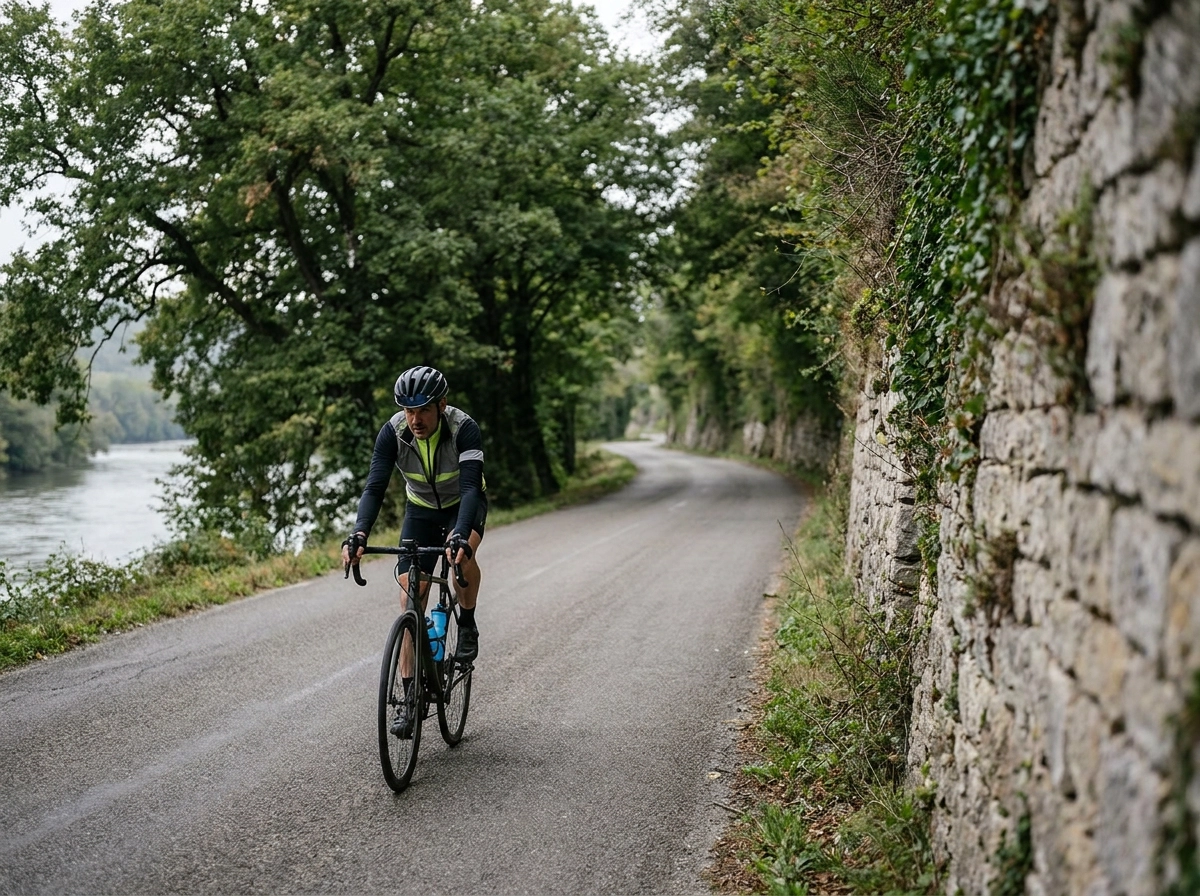
Riders gravitate to three connected corridors: River Road along the Ohio, US-42 out through Prospect and Goshen, and Brownsboro Road northeast through Indian Hills and Anchorage. Each offers river views, tree canopy shade, and limestone walls close to the pavement.
They also share a profile that makes them appealing and dangerous at once: two narrow lanes, little or no shoulder, and driveways that empty straight into the travel lane. The recurring hazards repeat on all three roads: gravel and debris collecting in curves, sun glare off the water at dawn and dusk, drivers turning left across a rider’s lane, and weekend traffic mixing motorcycles with cyclists and pedestrians. That last conflict shows up in the same patterns covered in our guide to Bicycle & Pedestrian Crashes on Louisville Roads.
The legal stakes begin within hours of a crash. When the pavement itself causes the wreck, whoever maintains the road may bear responsibility. Kentucky’s motorcycle PIP is not automatically included in a motorcycle policy, comparative fault allows a partly at-fault rider to recover, and filing deadlines are unforgiving.
Following sections cover route-specific hazards, an after-crash checklist, road-defect claims, insurance mechanics, deadlines, and your next step.
Route by Route: Preventing Motorcycle Crashes on River Road, US-42 and Brownsboro Road
All three corridors share the same physics and failure patterns, so the risk checklist is nearly identical from River Road to Anchorage.
A motorcycle has no crumple zone and no seat belt. The rider absorbs impact directly, and even a low-speed lowside in a shaded curve can produce fractures, road rash and head injury.
Drivers misjudging a motorcycle’s speed and distance or failing to register a single headlight is the most common setup for a left-turn crash across the rider’s lane. Surface debris and road defects compound the risk throughout the year. These same crowded conditions drive the rear-end crash patterns documented across Kentucky.
Kentucky’s helmet law (KRS 189.285) requires helmets for riders under 21, riders on an instruction permit, and riders licensed for less than one year, so many adult riders are not required to wear one. Whether a rider wore a helmet can come up in a damages dispute, so ask an attorney how it may affect your claim.
Those same patterns play out differently on each corridor — here is what to watch for on each road.
River Road: Riverbank Curves, Gravel and Driveway Left-Turns
River Road follows the Ohio River east of downtown as a two-lane corridor with near-continuous curves, a narrow or absent shoulder, and stone walls pressed tight against the inland side in places. Line of sight is short almost everywhere.
The signature hazard is gravel and sand resting in the apex of blind curves. Winter treatments, driveway washout, unpaved access points and stretches street sweepers skip all feed it, and it settles exactly where a rider leans. Those conditions can contribute to motorcycle crashes on River Road.
Then comes the left-turn trap. Residential driveways, boat ramps, park entrances and Louisville Loop crossings put drivers across your lane at the point where sight lines are shortest.
Low sun off the water at dawn and dusk flattens a single headlight into the background for oncoming drivers.
Weekend mornings add cyclists, runners, dog walkers and cars pulling boats or trailers into the same narrow space, so plan your line early and expect to give up the curve. Understanding where Louisville crashes happen helps riders recognize these patterns before they become claims.
US-42 Through Prospect and Goshen: Speed Gaps and Uncontrolled Entrances
US-42 through Prospect and Goshen and into Oldham County is a more open, higher-speed corridor than River Road, with driveways feeding directly onto the highway and posted limits that change from segment to segment.
Those speed gaps drive the danger. Drivers who treat US-42 as a daily shortcut overtake slower traffic where sight distance is short, and a rider passed at the wrong moment has no shoulder and no room to react.
Uncontrolled entrances make it worse. Subdivisions, churches, farm stands, and businesses empty straight into the travel lane with no turn lane and no clear sight triangle. That adds turning traffic on weekend afternoons, which is exactly when recreational riders are out.
Gentle hills and tree lines hide vehicles waiting to turn, setting up the rear-end and left-cross crashes that often involve motorcycles.
Brownsboro Road: Blind Hills, Driveway Density and Rush-Hour Lefts
US-42’s open speed gaps narrow into a tighter corridor northeast of downtown. Brownsboro Road carries commuter traffic through Indian Hills, Mockingbird Valley and toward Anchorage, threading residential driveways and commercial entrances through a narrow right of way.
The terrain rolls. A driver cresting a rise cannot see an oncoming motorcycle, and that blind window invites left turns across the rider’s lane and passing attempts with no margin for error.
Conflict density is highest where restaurants, churches and retail driveways stack up and left-turn and crossing maneuvers multiply. At rush hour, drivers cross multiple lanes to reach a driveway, the exact maneuver that fails to register a single headlight.
Pavement compounds it. Patched asphalt, utility cuts and older pavement seams, common on the older segments, give a rider little warning before a front wheel skips.
The First 24 Hours After a Motorcycle Crash: A Rider’s Checklist
If a crash happens on any of these corridors, work through five steps in order.
Secure the scene. If you can move, get off the travel lane, warn approaching traffic, and call 911. On corridors this narrow, a secondary crash is a real danger.
Get the report and photograph the scene. Note the responding agency and crash report number. Shoot final vehicle positions, damage, your helmet and gear, and the road surface: gravel, potholes, fluid, pavement edge.
Collect witnesses and get medical care. Take names and numbers from independent witnesses. Then get evaluated even if you feel fine; adrenaline masks injury, and a treatment gap is what insurers attack first.
Control insurance contact. Report to your own carrier, decline a recorded statement for the other driver’s insurer, and let an attorney take those calls. The steps in the first 24 hours after a car accident follow the same logic.
Preserve evidence. Keep your helmet and gear uncleaned and unrepaired, keep the motorcycle available for inspection instead of a fast salvage offer, and save receipts and medical records.
When the Road Causes the Crash: Kentucky Road-Defect Claims
Once the scene is documented, the next question is who is responsible when the road itself caused the crash. A government entity that leaves a known, unrepaired hazard in place: a pothole, edge drop-off, crew-left gravel, obscured sign, or dangerous geometry, can be liable for the crash it causes.
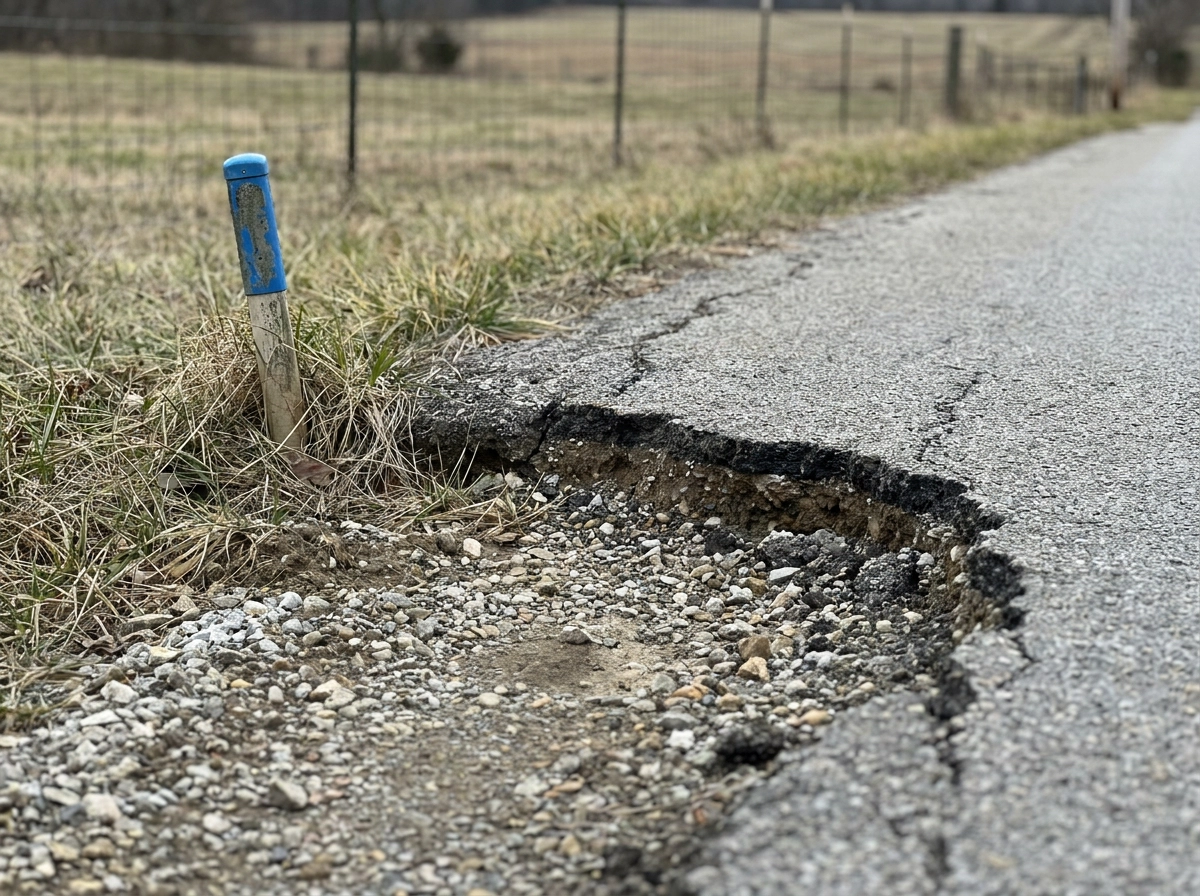
On these corridors, who is responsible depends on which government entity maintains the road. The state maintains some routes and Louisville Metro maintains others, and the claims process differs. An attorney can help confirm who maintains the stretch where you crashed. Contractors whose crews leave milled pavement or debris may also carry separate liability.
Notice is the heart of these cases. Governments are typically liable only with actual or constructive notice and a reasonable chance to repair. Prior complaints, reports to the road authority, and dated photos become your proof.
Claims against government entities have special notice and filing rules, so speak with an attorney quickly. A contractor’s safety and contract duties can also support recovery.
Photograph and measure the defect immediately; pavement gets patched and gravel gets swept within days. No fee unless we win. Call (502) 931-6788 for a free case review.
Kentucky Motorcycle Insurance: Optional PIP and Pure Comparative Fault
When a road-defect claim is in play, insurance questions follow close behind. Kentucky does not require motorcycle owners to carry personal injury protection (PIP). Without motorcycle PIP, you have no no-fault benefits after a crash; the claim shifts to the at-fault driver and, potentially, your own health coverage. If you did purchase motorcycle PIP, it pays medical expenses and some lost wages regardless of fault, up to the limits you purchased.
Fault works differently here too. Kentucky follows pure comparative fault under KRS 411.182, meaning a rider found partially at fault can still recover a proportionate share of damages. That makes who pays after a serious crash a contested question rather than a foregone conclusion.
Uninsured and underinsured motorist coverage on your own policy often does the heavy lifting, particularly with minimum-limits drivers and hit-and-run crashes on these corridors. A rider injured as a passenger on someone else’s motorcycle, or by a driver in a household vehicle, may have claims under more than one policy, so identify every policy early.
Kentucky Deadlines: One Year to File, or Two Years From the Last PIP Payment
Two time limits can matter in a Kentucky motorcycle crash claim: the general injury deadline and the motor-vehicle deadline tied to PIP payments.
Kentucky’s general personal injury deadline is one year (KRS 413.140). For motor-vehicle claims, KRS 304.39-230 allows two years from the injury or the last PIP payment. Because motorcycle PIP is optional, how these deadlines apply depends on your policy and facts, so confirm your dates with an attorney.
Do not assume one date covers every claim; the controlling deadline depends on your claim type and whether any PIP benefits were paid.
Calendar the crash date and every PIP payment date, and have a lawyer confirm which deadline applies to you.
Road-defect claims against the state or Louisville Metro carry their own notice and filing rules, so a defect case must be investigated immediately, not months later.
Evidence decays on the same schedule. Gravel gets swept, potholes get patched, skid marks fade, and witnesses move. The first week matters more than the last month, which is why these dates should be confirmed early rather than assumed.
Conclusion: After Motorcycle Crashes on River Road, Protect Your Claim
The routes are predictable — your response to a crash on them should be too.
Keep the short list close:
- Photograph the scene, the road surface, your helmet and your gear
- Get medical care the same day, even if you feel fine
- Decline recorded statements for the other driver’s insurer
- Preserve the helmet, gear and motorcycle, uncleaned and unrepaired
- Confirm whether you actually purchased motorcycle PIP
If you were hurt on River Road, US-42 or Brownsboro Road, call (502) 931-6788 for a free case review. No fee unless we win.
For more steps, see our guide on what to do after a motorcycle accident in Kentucky.
Reviewed by Larry Forman, Attorney.