
Reviewed by Larry Forman, Attorney.
Riders get hurt worse than drivers in the same crash, and they’re often blamed faster. The other driver says “I never saw him,” and the adjuster starts asking about your speed and your helmet. Knowing what to do after a motorcycle accident, in the first hours and days, can protect both your health and your claim.
Kentucky requires PIP (no-fault) coverage on cars, but it’s optional for motorcycles. A rider who didn’t buy PIP generally won’t get it from another source for a motorcycle crash (KRS 304.39-040). A rider who skipped PIP is still generally bound by the no-fault law’s limits on lawsuits unless a motorcycle no-fault rejection was filed with the Kentucky Department of Insurance before the crash (KRS 304.39-060(9)). Bring your declarations page and any rejection paperwork to your consultation.
The at-fault driver’s liability coverage pays for pain and suffering, lost income and medical bills beyond any PIP. Kentucky drivers only have to carry $25,000 per person (KRS 304.39-110), so your own underinsured motorist or uninsured motorist coverage can matter a great deal.
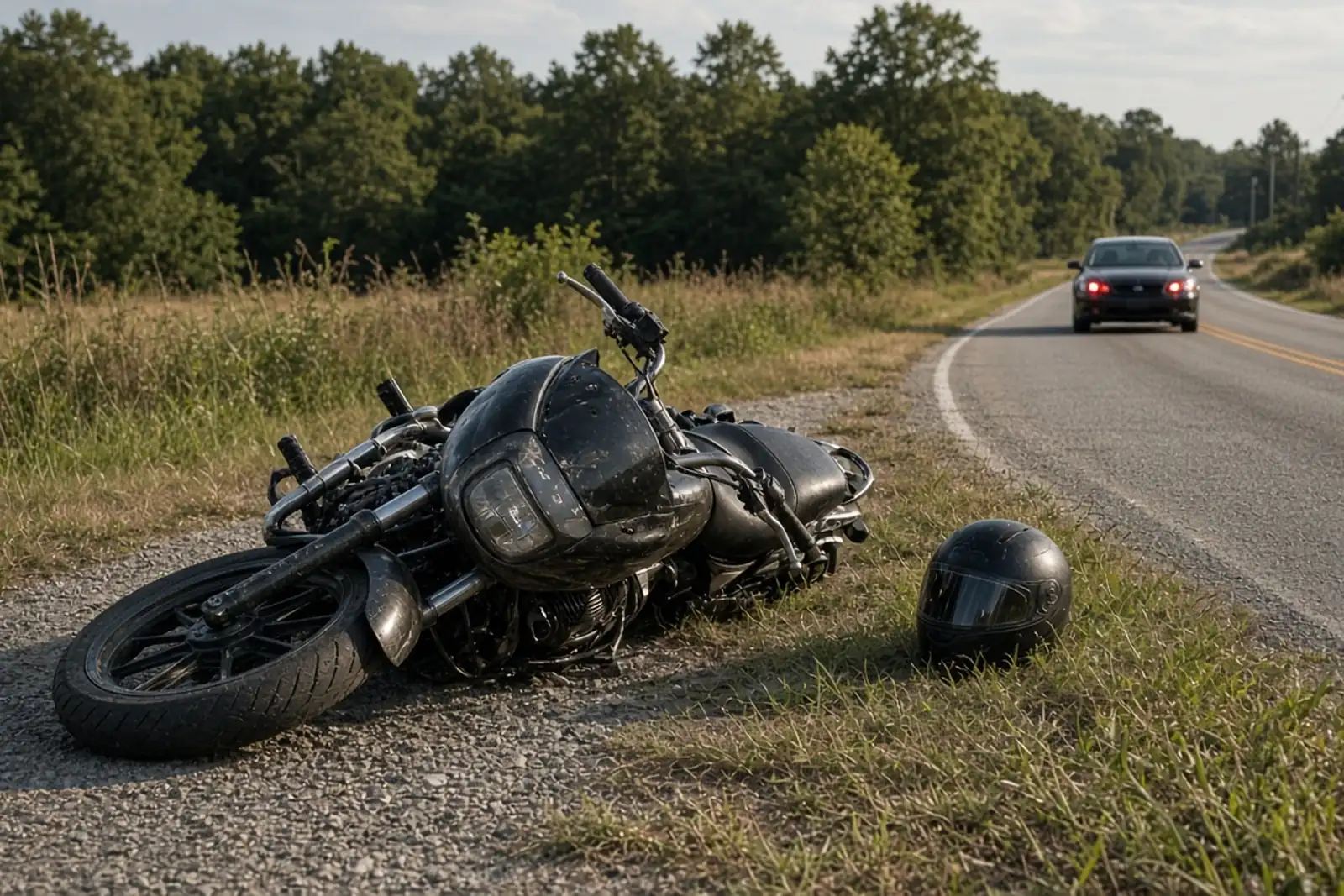
Kentucky only requires helmets for some riders. Read the Kentucky motorcycle helmet law. Not wearing one doesn’t bar your claim. The insurer may argue a head injury would have been less severe, and under pure comparative fault any share of fault assigned to you reduces your award but doesn’t eliminate it (KRS 411.182). See Kentucky motorcycle and bicycle laws.
Most Kentucky motorcycle injury lawsuits must be filed within two years after the injury or the last PIP payment, whichever is later (KRS 304.39-230(6)). Many riders don’t carry PIP, so the two years usually run from the crash. Claims against a government agency or a parts maker can have different rules, so talk to a lawyer early.
Juries can share the “biker” bias adjusters count on, which is why we build motorcycle cases on evidence: scene measurements, vehicle data and witnesses. Larry Forman has tried 50+ jury trials and won 95% of them. Learn more about our Louisville motorcycle accident lawyer services and left-turn motorcycle crashes.
Not if you have any neck or back pain, numbness or tingling. Wait for EMS. Afterward, keep the helmet as evidence; don’t throw it away.
Only if PIP was bought for the motorcycle or by the injured rider. PIP is optional for motorcycles in Kentucky, and a rider without it generally can’t get it from another source (KRS 304.39-040).
Yes. The at-fault driver is still responsible. The insurer may argue the helmet would have reduced a head injury; any fault assigned to you reduces your award by that share but doesn’t bar the claim.
Generally two years after the injury or the last PIP payment, whichever is later (KRS 304.39-230(6)). Some claims have shorter deadlines, so call early.
Tell us what happened. We’ll explain your options and what to do next. The consultation is free.
Get a free case evaluation or call 502-931-6788. Our office is at 1139 S. 4th St., Louisville, KY 40203.
This page is general information about Kentucky law as of October 2026, not legal advice. Every case is different.