Hurstbourne and Shelbyville Road crashes often start where retail entrances, red lights, turn lanes, and heavy stop-and-go traffic meet around Oxmoor and Mall St. Matthews. One delayed reaction or misread signal can cause a Hurstbourne Parkway accident that affects your car, your work, and your health. This guide explains why this corridor creates so many crash conflict points and how to protect your claim after one.
For Hurstbourne and Shelbyville Road crashes, you will learn the crash types to watch for, how to check crash data for a specific intersection, and what Louisville Metro or St. Matthews police reports typically involve. We also cover camera footage and evidence near Oxmoor and Mall St. Matthews, first steps after a wreck, and the Kentucky law that applies. That includes basic PIP coverage, pure comparative fault under KRS 411.182, and the motor-vehicle injury deadline under KRS 304.39-230(6).
If you were hurt, call (502) 931-6788 for a free case review. No fee unless we win.
Reviewed by Larry Forman, Attorney.
Why Hurstbourne and Shelbyville Road Crashes Happen
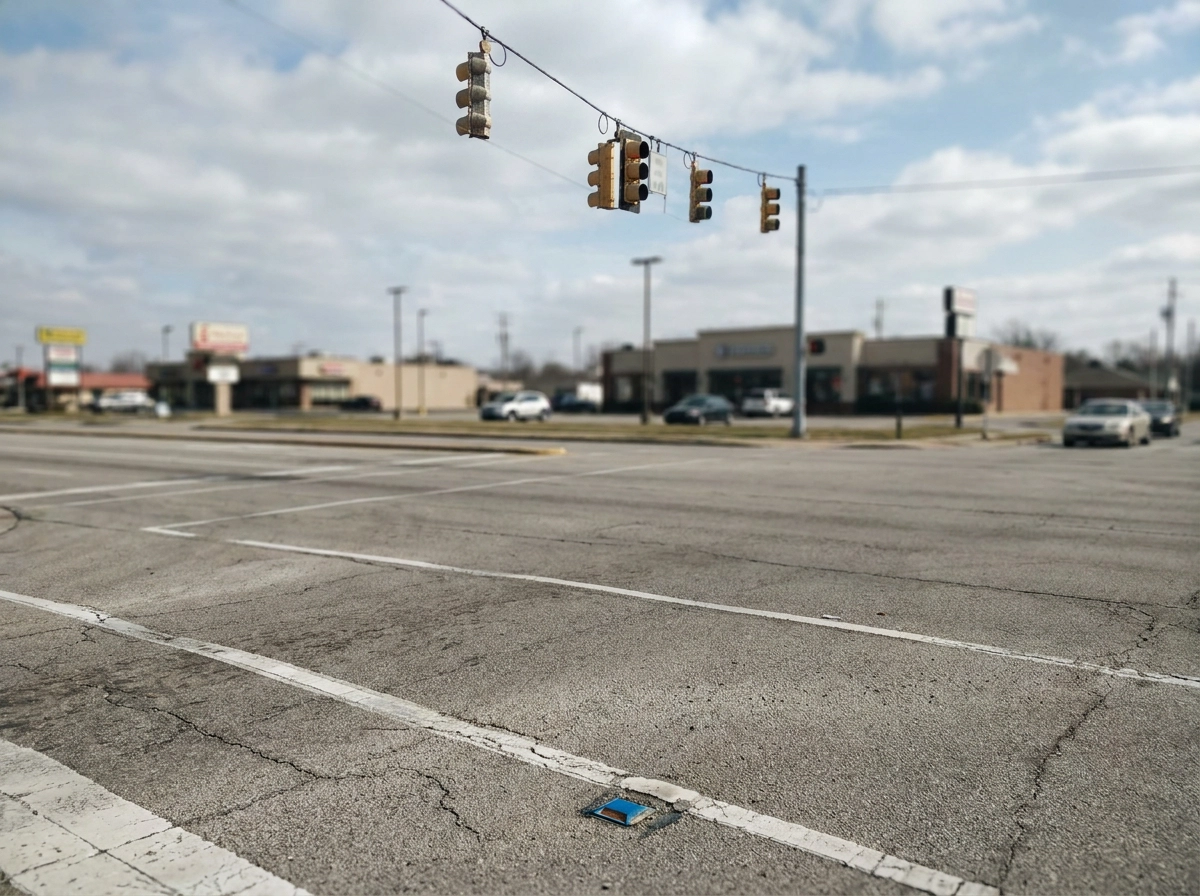
Hurstbourne Parkway is a multi-lane arterial that feeds into Shelbyville Road, the retail spine of east Louisville that runs past Oxmoor Center and Mall St. Matthews. Commuter traffic, local traffic, and shoppers all share the same lanes through the same commercial cluster.
Retail density is the second factor. Every shopping center, gas station, bank, and restaurant along Shelbyville Road adds its own driveway or curb cut, and each driveway is a point where a turning vehicle crosses a through lane of traffic.
Turning movements dominate the conflict pattern. A left turn across two or three oncoming lanes is the highest-risk maneuver on a corridor like this, because the turning driver must judge speed and gaps in several lanes at the same time.
Closely spaced signals make it worse. Short blocks between lights mean one signal releases traffic directly into the back of the next queue. That produces hard braking, and hard braking is the setup for rear-end collisions. Congestion magnifies every small error; at peak hours, a one-second gap misjudgment or a glance at a phone becomes contact.
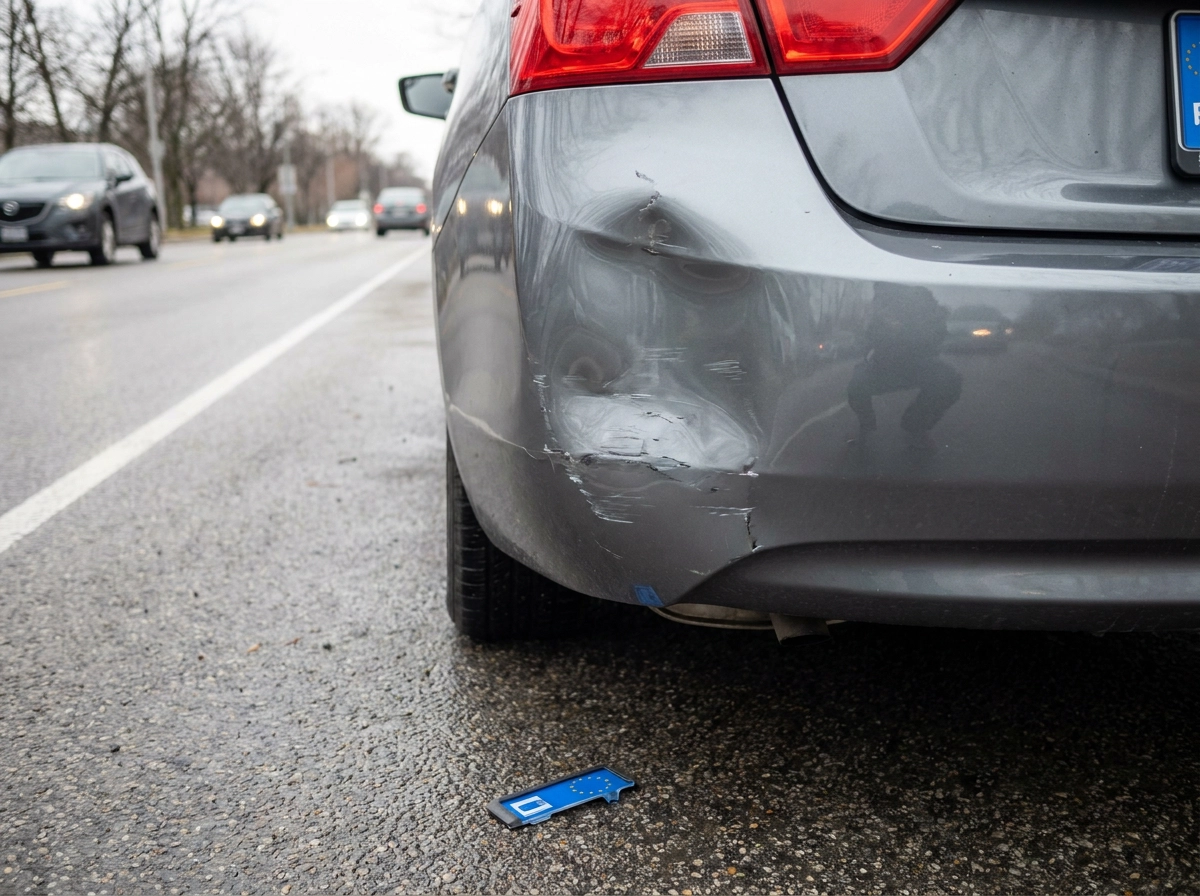
Hurstbourne and Shelbyville Road Crashes: Types to Watch For
That congestion produces a short list of predictable impacts, each leaving different evidence behind.
Rear-End and Signal Crashes
Signal-to-signal queuing makes rear-end collisions the baseline crash. Possible causes include following too closely, distraction and other failures to react to stopped traffic. Red-light running rides the same signals. The gap between one direction’s yellow and the next direction’s green is exactly when angle crashes happen, and exactly when a camera or an independent witness becomes your most valuable evidence.
Turning and Driveway Conflicts
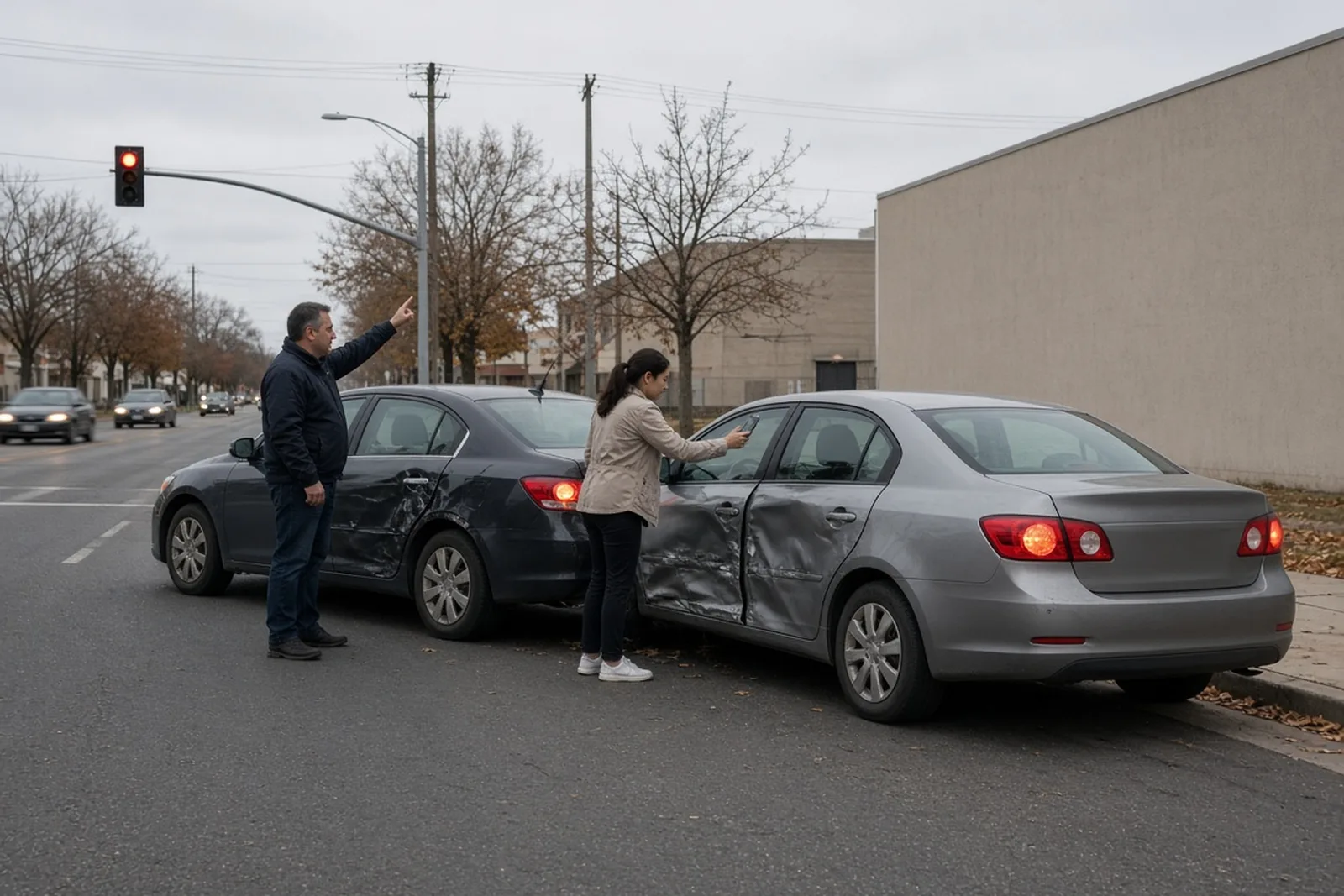
A left turn off Shelbyville Road into a shopping center crosses oncoming through traffic. A misjudged gap produces a T-bone on the passenger side, a high-energy impact pattern. Driveway and lot-entrance collisions are a separate problem: a driver leaving a retail lot must cross or merge into traffic, and these are frequently disputed because each driver says the other pulled out without looking.
Sideswipes and Merge Conflicts
Multi-lane arterials with turn lanes that appear late invite last-second lane changes, especially where a driver realizes the needed lane is already full.
The impact type determines who is likely assigned fault, what evidence still exists, and how the other insurer will frame your conduct, so identify the pattern early.
How to Check Crash Data for a Specific Intersection
Crash types explain the mechanism. Data shows how often a location repeats it. Public crash data from state and local agencies can help show how often crashes occur at a particular intersection, and Louisville Metro’s Vision Zero program publishes information about its high injury roadways.
Keep in mind that public data may not show every crash. If your case turns on an intersection’s history, an attorney can request and review the underlying crash reports. Then move to what to do after a crash in Louisville, where scene evidence and report numbers matter more than any map.
Reporting a Louisville or St. Matthews Crash: What the Rules Require
If an officer investigates, get the incident report number and the agency name before you leave. Shelbyville Road and parts of the surrounding commercial area fall within St. Matthews, which runs its own police department and its own report process, so the agency depends on exactly where the vehicles stopped.
If no officer investigates, you may still need to file a crash report yourself, so ask the police agency for that area how to do it.
Contact the agency that handled your crash for its records process, hours, and any fees before you go.
Not sure which agency covers the location? Call the non-emergency line for the city where the crash happened. Getting the agency right the first time avoids a week of dead ends.
For Hurstbourne and Shelbyville Road crashes, understand what the report is and is not. It satisfies a reporting duty and creates a record. It is not a fault determination. No narrative in that form decides liability, however convincing it sounds. For what to do next, see the first 24 hours after a car accident.
Keep a copy of everything you file, and photograph the completed form before you submit it. You will need the submission date if the other side later argues about reporting.
Camera Footage and Evidence Near Oxmoor and Mall St. Matthews
Once you have that report number, the next priority is footage. Do not assume traffic cameras record or retain footage; ask the responsible agency and nearby businesses promptly.
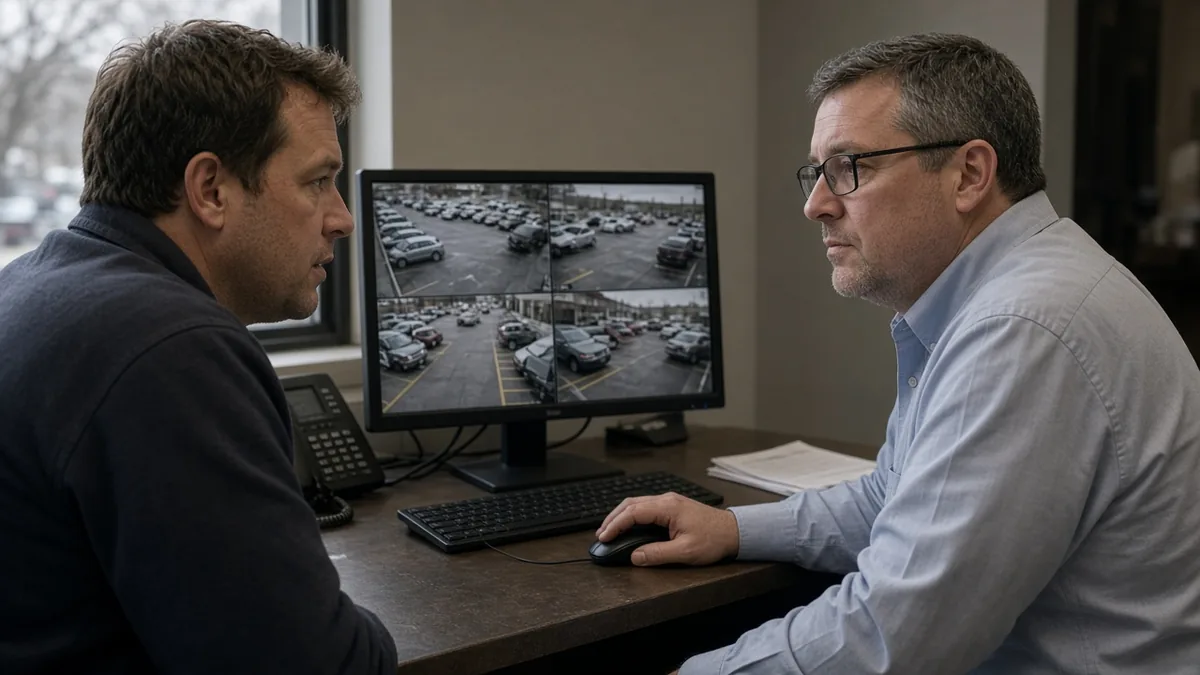
Look at nearby businesses too. Oxmoor Center, Mall St. Matthews, and the storefronts along Shelbyville Road may run exterior cameras covering driveways, entrances, and the roadway they front. Those are a possible source. For how footage disputes play out elsewhere in Louisville, see our guide to evidence on the interstate.
Move fast after Hurstbourne and Shelbyville Road crashes. Business surveillance footage is often overwritten on a rolling basis; send a written preservation request as soon as possible after the crash, naming the date, approximate time, and the camera you believe captured the crash. Anchor it with the report number and investigating agency so the business knows which incident you mean, and send it to the property owner or corporate parent as well as the local store when the store is a tenant.
Protect your own record. Do not post about the crash on social media, speculate about speed or fault in a text thread, or give a recorded statement to the other driver’s insurer before you have advice.
If the crash happened near a signal, note the signal head positions and whether a turn arrow was lit. That detail often decides an angle-crash case, and it is easiest to record the day of the wreck.
First Steps After a Hurstbourne Parkway Accident
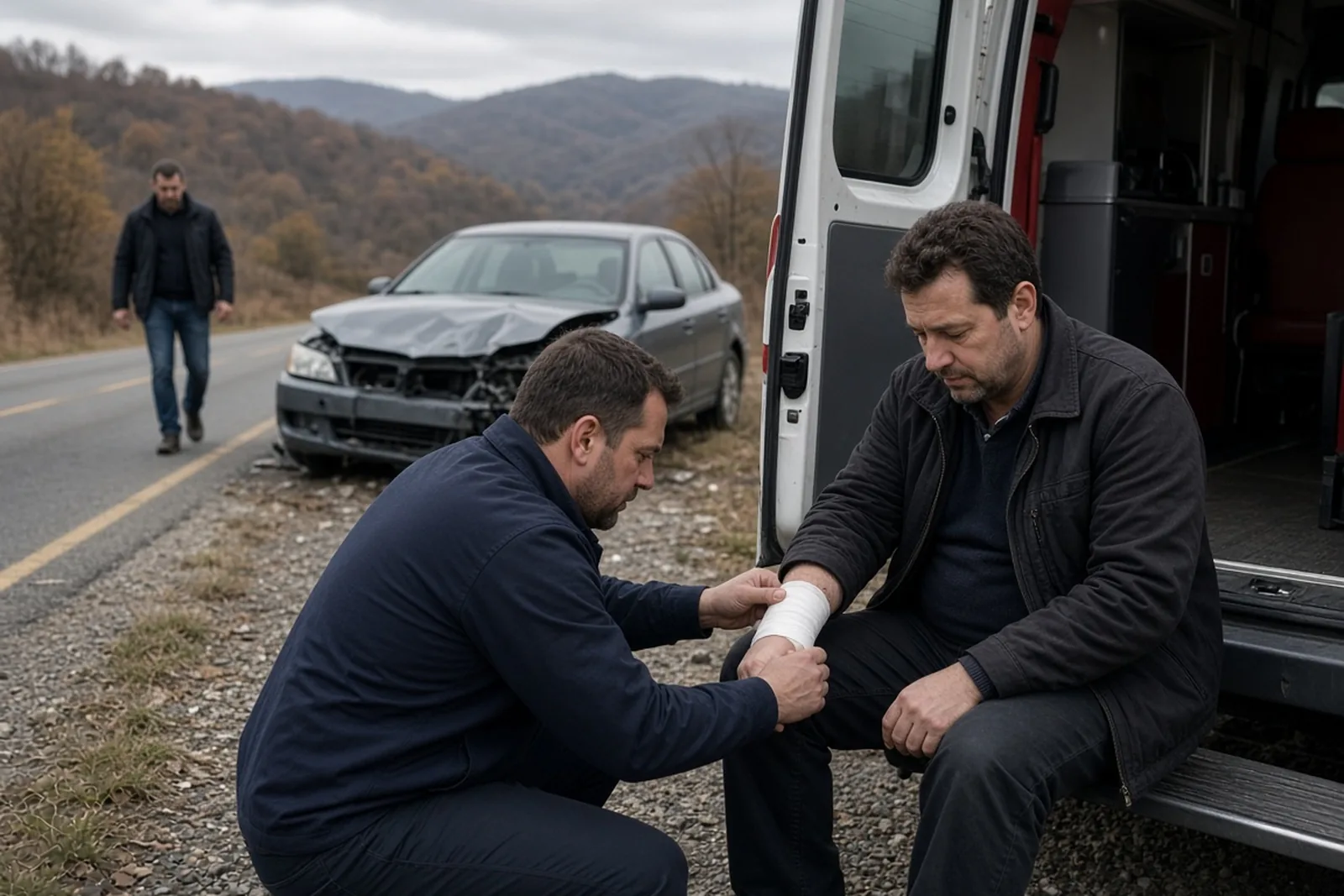
Safety comes first. If you started gathering evidence, keep going, but safety outranks documentation. If the vehicles are drivable, move them out of the travel lanes, turn on hazards, and stand behind a barrier or well off the shoulder. A second impact is a real risk while you are standing in a corridor this busy.
Call 911 and ask for an officer, especially if anyone is hurt or a vehicle cannot be driven. Accept a medical evaluation even if you feel fine; adrenaline masks injury for hours, and a delayed complaint gives an insurer something to attack.
Photograph the geometry, not just the damage: lane markings, turn arrows, signal heads and their state, driveway openings, sight lines, and anything that blocked a view, such as parked trucks or landscaping. That record supports the deeper evidence work described in What Really Happens Behind the Scenes in Major Accident Claims.
Before people leave, collect names, phone numbers, and a short written note about what each driver and witness saw. Witnesses who drive off are often gone for good.
Get medical care within days, follow the plan, and keep every record and receipt. Treatment gaps are one of the most common ways a valid claim gets devalued.
Report the crash to your own insurer, since most policies require prompt notice. Keep it factual, and do not characterize fault with anyone representing the other driver.
The Kentucky Law That Applies to Hurstbourne and Shelbyville Road Crashes
With the scene documented, the next question is who pays first. Kentucky is a no-fault state for the first layer of benefits. Personal Injury Protection (PIP) on the vehicle you were in pays up to $10,000 per person for medical bills, lost wages, and related expenses, no matter who caused the crash. You do not have to wait for the other driver’s insurer to begin treatment. For a rear-end wreck, who pays your bills after a rear-end crash usually starts with that PIP claim.
PIP is not the whole claim. Pain-and-suffering claims generally must satisfy KRS 304.39-060(2)(b), such as more than $1,000 in qualifying medical expense or a listed injury. Exhausting the $10,000 PIP limit is not itself required to meet that threshold.
Kentucky follows pure comparative fault under KRS 411.182. If you share blame, your recovery is reduced by your percentage of fault. In a hypothetical where you are 20 percent at fault and the other driver 80 percent, your damages are cut by 20 percent and you still recover the remaining 80 percent. The signal state, lane position, and driveway geometry you recorded answer any attempt to shift blame onto you.
Kentucky Deadlines for Hurstbourne and Shelbyville Road Crashes
Deadlines can differ by claim type.
For most Kentucky motor-vehicle injury tort claims, KRS 304.39-230(6) provides two years after the injury, death or issuance of the last basic or added reparation payment, whichever occurs later. A replacement payment does not restart that period. Exceptions, including a valid no-fault rejection, can change the analysis.
Which date actually governs depends on how your claim is framed and what PIP paid, and that is a determination for an attorney reviewing your actual file, not for picking a number off a webpage.
The costliest assumption is that no deadline exists while PIP is still paying. People lose otherwise strong cases that way. Get advice early: driveway footage gets overwritten in weeks, witnesses move, and memories of signal states fade.
What to Do Next After Hurstbourne and Shelbyville Road Crashes
Work the checklist in order. Identify the crash type, then confirm which agency is investigating and get the report number. Preserve driveway and signal footage within days. Open a PIP claim with your own insurer, and confirm your deadlines with an attorney.
If you were hurt on Hurstbourne Parkway, Shelbyville Road, or anywhere around Oxmoor or Mall St. Matthews, call (502) 931-6788 for a free case review. No fee unless we win.
Larry Forman has tried 50+ jury trials and won 95% of them. A free case review is the place to find out what your crash on this corridor is actually worth.
Conclusion
Hurstbourne and Shelbyville Road crashes need prompt attention. The crash patterns, the rush to preserve footage, and Kentucky’s fault and PIP rules all shape your claim.
If you were hurt on this corridor, near Oxmoor, or at Mall St. Matthews, call (502) 931-6788 for a free case review. No fee unless we win.