Reviewed by Larry Forman, Attorney
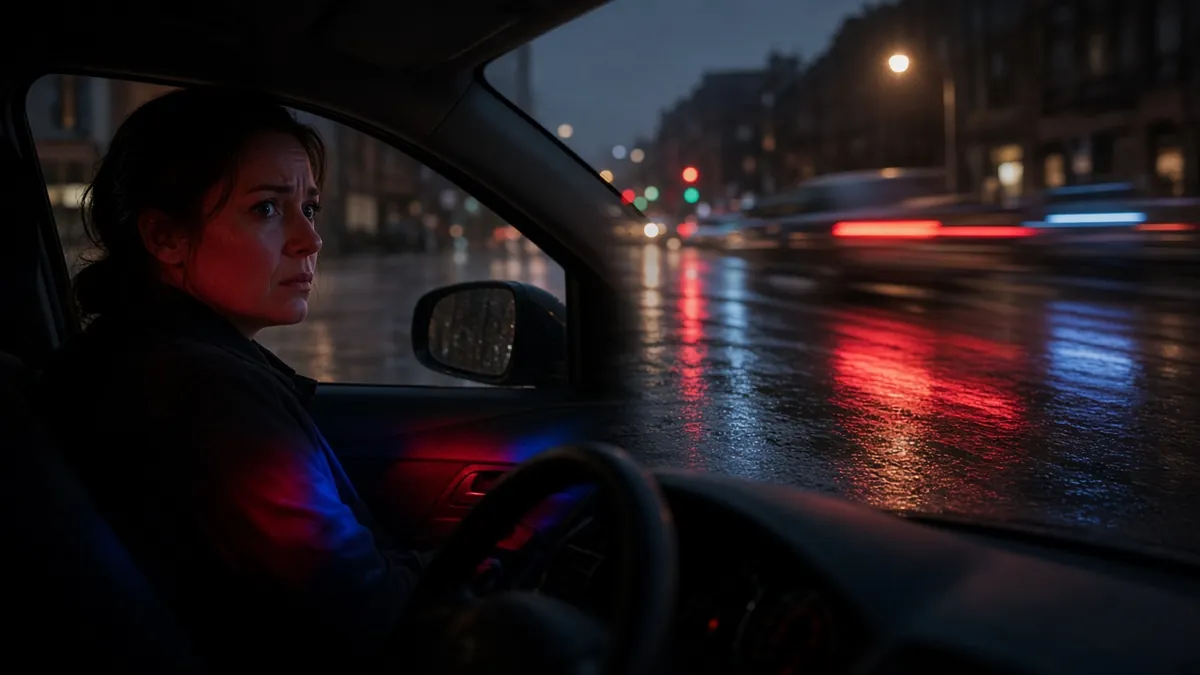
You're stopped at a light or driving home when a car fleeing police comes through the intersection and hits you. The fleeing driver is obviously to blame, but they may be uninsured, arrested or both. A police chase crash raises a harder question: did the way the officer chased the car play a part? Under a 2019 Kentucky Supreme Court decision, it can, and a jury can decide how much.
What Kentucky law says about emergency driving
Kentucky gives police and other emergency drivers special privileges. Under KRS 189.940, speed limits don't apply to "police vehicles when in pursuit of an actual or suspected violator of the law," and emergency drivers may go through red lights after slowing down and use the wrong side of the road when lanes are blocked.
Those privileges come with conditions:
- Warning lights and siren. To use them, the driver must keep the warning lights on and sound the siren continuously (KRS 189.940(5)).
- Due regard. The statute says the exemptions don't "relieve the driver of the duty to operate the vehicle with due regard for the safety of all persons using the street or highway."
Can an officer be responsible when the fleeing driver hits me?
Yes, in some cases. For almost 70 years, Kentucky followed a rule that a pursuing officer could never be the legal cause of a crash between a fleeing suspect and someone else. In 2019, the Kentucky Supreme Court overruled it.
In Gonzalez v. Johnson, a deputy chased a car on a rainy night without authorization and with a siren that wasn't working. The fleeing driver crashed head-on into another car, killing Luis Gonzalez. The Court held that "an officer can be the cause-in-fact and legal cause of damages inflicted upon a third party as a result of a negligent pursuit," and that the officer's duty is "due regard in accordance with KRS 189.940." Juries now decide whether the pursuit was a "substantial factor" in the crash and divide fault among everyone involved (Gonzalez v. Johnson, 581 S.W.3d 529 (Ky. 2019)).
That doesn't make every chase negligent. Questions that often matter:
- Was the chase authorized, and did it follow the department's pursuit policy?
- How serious was the suspected offense compared with the danger of chasing?
- Were the lights and siren on and working?
- How fast, on what roads, in what weather and traffic?
- Did a supervisor order the chase stopped?
What if a police car or ambulance hit me directly?
Then the question is whether the emergency driver used due regard, for example by slowing at a red light and giving you a fair chance to see and hear them. Kentucky's Supreme Court has held that driving a police cruiser, even in an emergency, is a ministerial act, so the officer isn't protected by official immunity for negligent driving (Jones v. Lathram, 150 S.W.3d 50 (Ky.)). Many of these crashes happen at intersections; see intersection crashes in Kentucky and T-bone accidents.
Who pays for a police chase crash?
It depends on who was driving and who employs the officer:
- The fleeing driver is responsible for their own reckless driving, through their insurance if they have any.
- Your own coverage fills gaps. PIP pays medical bills and lost wages first, regardless of fault. See how Kentucky PIP works. If the fleeing driver was uninsured or ran, your uninsured motorist coverage may apply; see UM vs. UIM and our hit-and-run page.
- The officer and the government. State police claims generally go through the Kentucky Board of Claims. Counties and Louisville Metro keep sovereign immunity, but the officer can be sued and the government usually must defend and pay for an employee acting within the job. City police are handled differently again. Our government vehicle accident page explains each one.
Kentucky's pure comparative fault rule lets a jury split fault among the fleeing driver, the officer and anyone else. See what to do if you were partly at fault.
After a police chase crash, act fast: deadlines and evidence
Claims against public agencies can have short deadlines, including one year for Board of Claims filings. See our statute of limitations guide. Dash camera and body camera video, radio and dispatch recordings, and the department's pursuit reports should be requested right away, before retention periods run out.
If the injury came from force by an officer rather than a crash, see our police brutality lawyer page.
How Forman & Associates helps
We request the video, dispatch logs and pursuit policy immediately, find every insurance policy that applies, and build the case for how the chase was run. If someone died, see our wrongful death lawyer page. We prepare cases for trial from the start. Larry Forman has tried 50+ jury trials and won 95% of them. See our car crash lawyer page for more.
Police chase crash FAQs
Can I sue the police if a fleeing driver hit me?
Possibly. Under a 2019 Kentucky Supreme Court decision, a jury can decide whether a negligent pursuit was a substantial factor in the crash and assign the officer a share of fault.
Do police have to use lights and sirens during a chase?
To use the emergency privileges, such as exceeding the speed limit, Kentucky law requires warning lights and a continuous siren.
What does "due regard" mean?
It means emergency drivers must still drive with reasonable care for everyone on the road. The privileges don't excuse dangerous driving.
Who pays for a police chase crash if the fleeing driver had no insurance?
Your PIP pays first for medical bills and lost wages, and your uninsured motorist coverage may cover the rest, depending on your policy.
How long do I have to file?
It depends on who is responsible. Claims against state agencies generally must be filed with the Board of Claims within one year, so talk to a lawyer quickly.
Hurt in a police chase crash or by an emergency vehicle?
Let us get the video before it's gone. Get a free case evaluation or call (502) 931-6788. No fee unless we win.
This post is general information about Kentucky law, not legal advice.