Lane splitting in Kentucky is not expressly allowed by any statute, so it is generally treated as unsafe passing. Riders who move between lanes of slow-moving or stopped traffic may think they are saving time, but the maneuver can shape fault, insurance disputes, and your recovery after a crash.
Below, we explain lane splitting in Kentucky and how it differs from lane filtering. We cover how insurers use lane splitting against riders, fault allocation under KRS 411.182, the evidence that decides these claims, and Kentucky motorcycle insurance rules for optional PIP, UM, and UIM. We also review the helmet requirement under KRS 189.285 and filing deadlines: one year under KRS 413.140, or two years from the injury or last PIP payment for motor-vehicle claims under KRS 304.39-230. Finally, we outline next steps after a Kentucky motorcycle crash. If you were hurt, call (502) 931-6788 for a free case review. No fee unless we win. Reviewed by Larry Forman, Attorney.
Lane Splitting vs. Lane Filtering: Why the Difference Matters in Kentucky
Riders often use “lane splitting” and “lane filtering” interchangeably. Legally, they are different maneuvers.
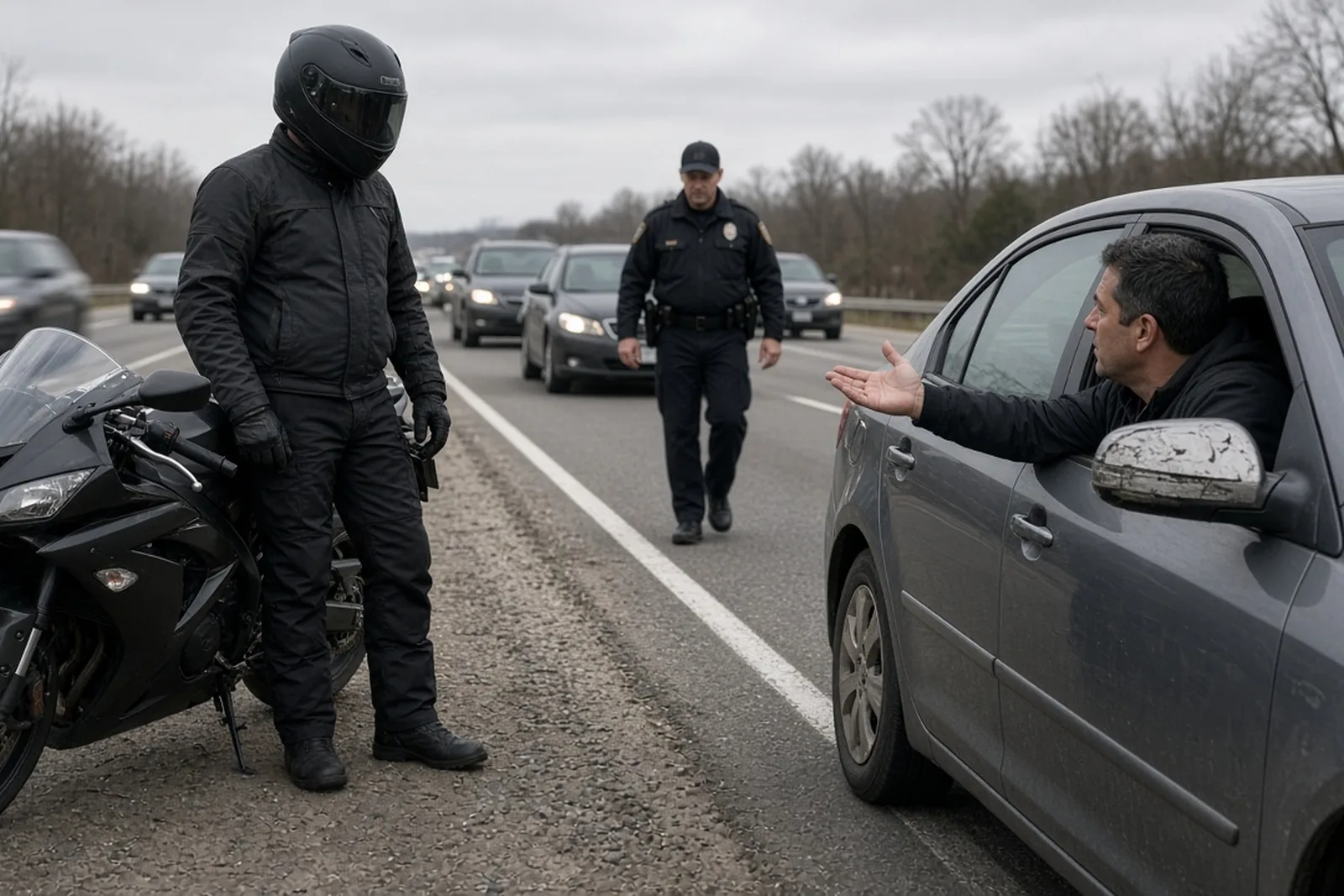
Lane splitting means riding between two lanes of traffic moving in the same direction, usually faster than surrounding vehicles. Lane filtering means moving between stopped or very slow vehicles to reach the front of a line at an intersection or in a jam, typically at low speed. Some other states have passed laws that allow limited lane filtering; Kentucky has not.
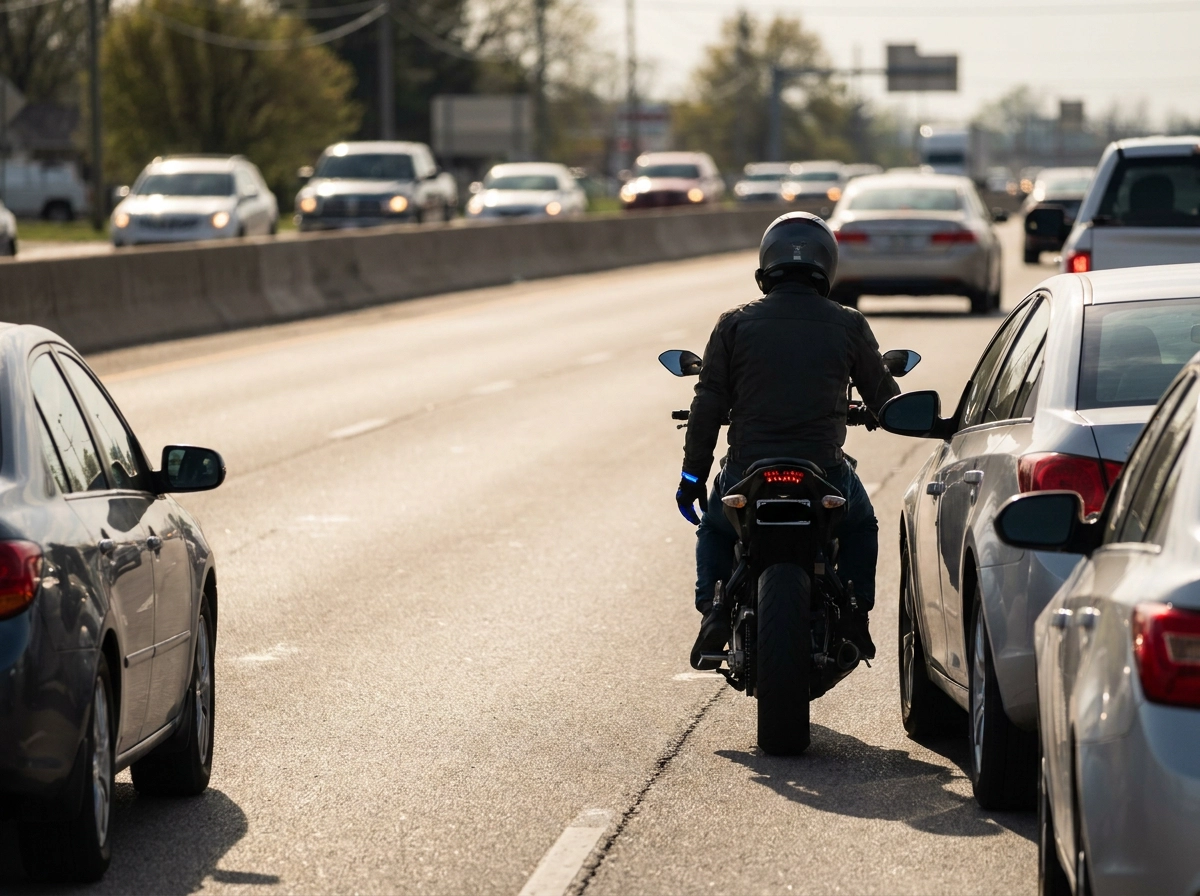
Insurers and courts separate the two because the risk of surprise differs. In stopped traffic, drivers are less likely to change lanes abruptly. In moving traffic, a driver can shift into a rider’s path before seeing them.
Kentucky has no statute that expressly authorizes either practice, and another state’s rule does not create a defense here.
That distinction shapes how fault gets argued after a crash.
No fee unless we win.
Is Lane Splitting Legal in Kentucky? What the Statutes Say
Lane splitting in Kentucky is not expressly allowed by any statute, so it is generally treated as unsafe passing. There is no provision permitting a motorcycle to ride between lanes of same-direction traffic.
Nothing in the general passing and lane-use rules creates a clear motorcycle exception for riding between lanes, so a rider should not assume the maneuver is a safe or accepted one.
Because lane splitting in Kentucky has no statute expressly allowing it, a rider should not assume it will shift fault away. The fault argument typically moves the other direction.
How Insurers Use Lane Splitting in Kentucky Against Riders After a Crash
Adjusters search for facts that support a comparative fault argument, and lane splitting in Kentucky supplies a ready narrative: the rider was somewhere a driver would not expect a vehicle.
Expect three arguments. The rider failed to keep a proper lane. The rider traveled at an unsafe speed for traffic conditions. The rider assumed the risk of the gap between vehicles. Under KRS 411.182, fault is allocated by percentage, so even a modest share assigned to the rider reduces recovery. Framing therefore matters from the first phone call through litigation.
The rider’s own words can be used later. A roadside comment like “I was splitting lanes” becomes evidence. Keep statements factual and avoid labeling the maneuver before speaking with a lawyer.
In a lane splitting in Kentucky dispute, rebuttal starts with the other driver’s conduct. An unsafe lane change, a failure to signal, or a failure to check a blind spot can shift the percentage back toward the driver. Document traffic conditions, sight lines, and vehicle positions before the scene changes.
Fault in Kentucky Under KRS 411.182: Comparative Fault Explained
KRS 411.182 directs the jury to weigh each party’s conduct and its causal relation to the claimed damages, then applies the resulting percentages to the total award. A claimant’s share reduces recovery rather than eliminating the claim, which is why the fight over percentages matters and why evidence that the other driver created the hazard is what moves the number.
Kentucky follows pure comparative fault under KRS 411.182, so a rider’s share of fault reduces recovery but does not bar it.
Evidence That Decides Fault in a Kentucky Motorcycle Crash Claim
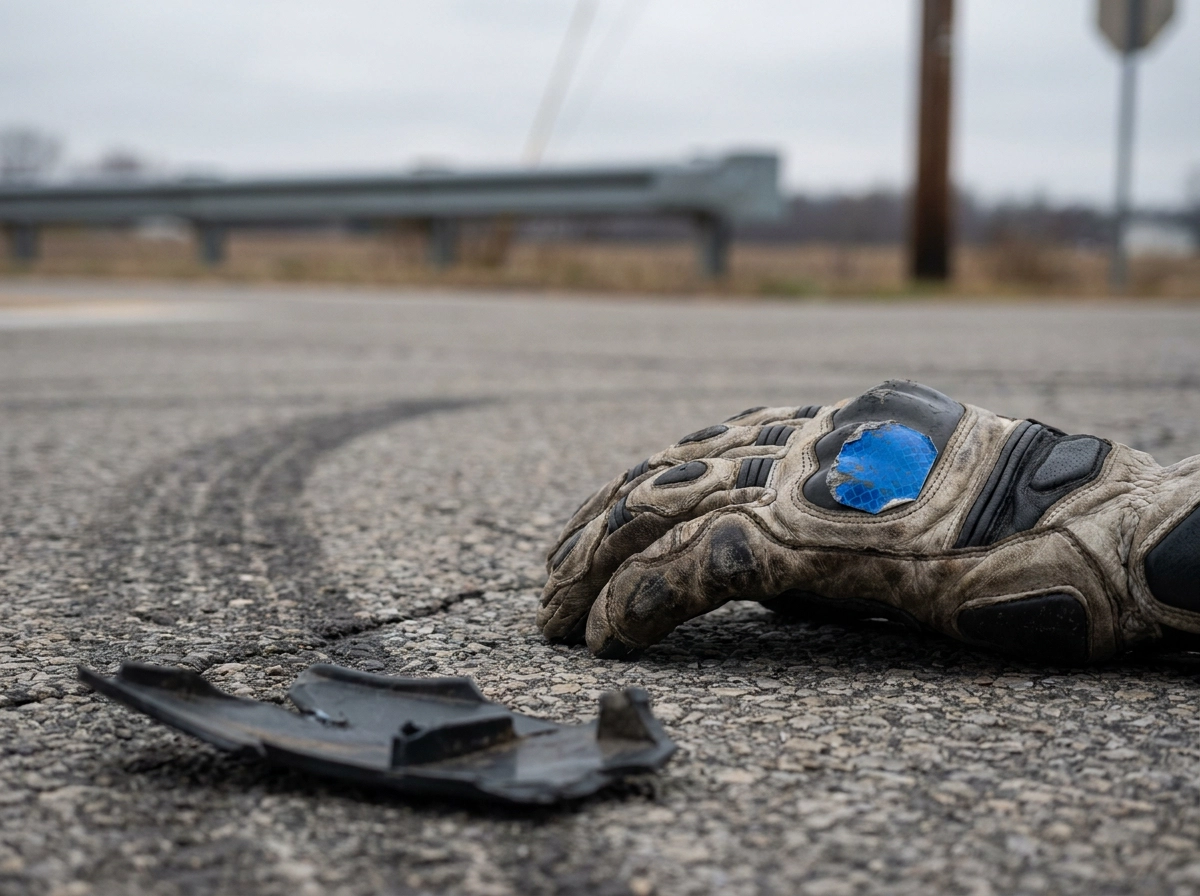
Percentages in a lane splitting in Kentucky claim turn on the record, so gather this evidence early.
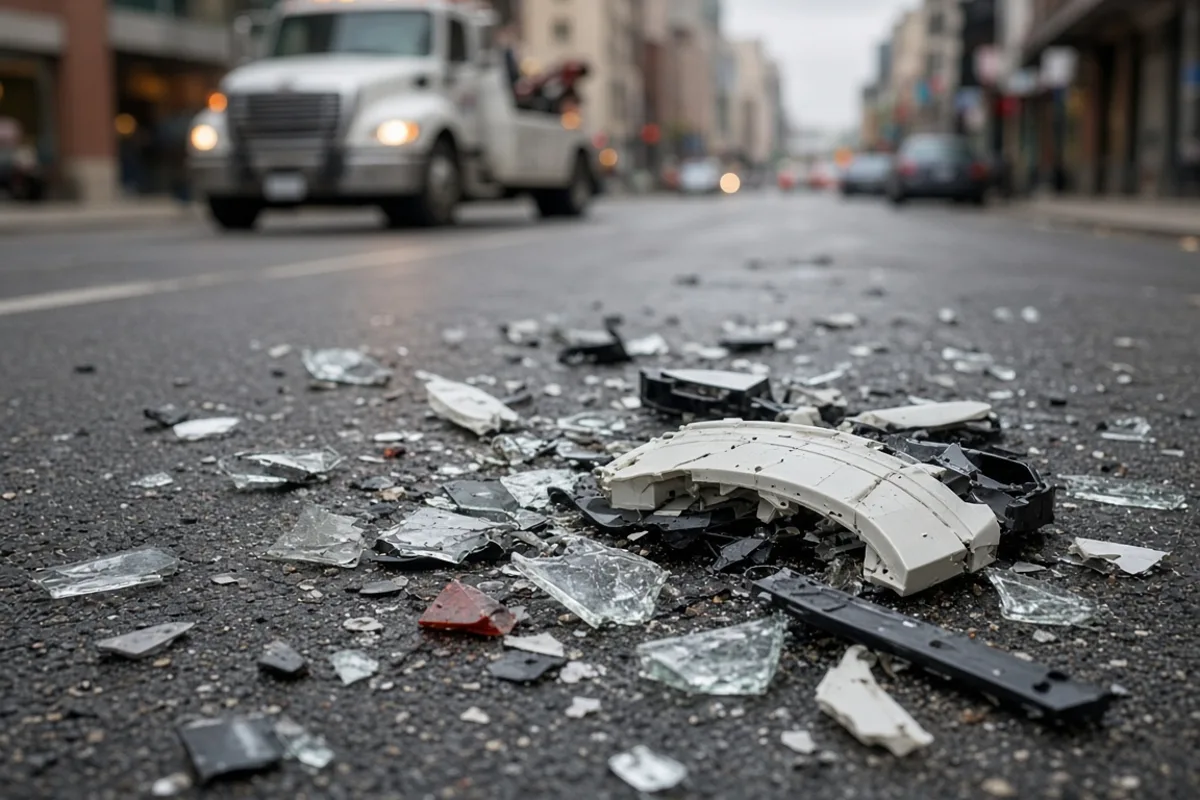
Scene photographs. Capture the gap between lanes, lane markings, debris, vehicle positions, and traffic control devices before the scene is cleared.
Witness statements. Independent drivers and passengers can describe an unsafe lane change, a failure to signal, or the other driver’s speed. Collect names and contact information at the scene.
Electronic evidence. Save helmet camera or dash camera footage, phone location data, and any vehicle data that exists. Not every motorcycle has an event data recorder, so confirm data actually exists before claiming it does.
Medical records. Prompt evaluation and consistent treatment document the injury and rebut the argument that the rider was not hurt. Gaps in care become an insurer talking point.
Accident reconstruction. A qualified reconstructionist can show what the other driver could see, the time and distance available, and how the collision unfolded. Ask an attorney whether reconstruction makes sense for your case.
With that record built, coverage questions come next.
Kentucky Motorcycle Insurance: Optional PIP, UM, and UIM
Even the strongest evidence only reaches the insurance that exists. Kentucky does not require personal injury protection (PIP) on motorcycles, so a rider has no automatic PIP after a crash. Optional PIP can pay medical expenses and lost wages, but the limits and terms you bought control, so read the declarations page rather than assuming coverage.
Uninsured motorist (UM) coverage responds when the at-fault driver has no insurance. Underinsured motorist (UIM) coverage responds when that driver’s limits are too low to cover the harm. Review your policy language to see what you carry.
Identify every coverage source early. PIP interacts with fault analysis and with filing deadlines, and your own insurance status matters in Kentucky in ways riders rarely anticipate. A lawyer should review the declarations page and any rejection forms to explain which coverages apply and how they stack with the claim against the at-fault driver.
Helmet Law Under KRS 189.285 and How It Can Affect Fault
Coverage questions and fault questions rarely stay separate, and helmet use is where the two often meet.
Under KRS 189.285, a rider or passenger under 21 must wear protective headgear at all times the motorcycle is in motion on a public highway. The statute also covers permit holders and riders who have held a motorcycle license for less than a year. Riders outside those categories are not subject to the mandate.
Helmet use or non-use can become part of the injury narrative, and an insurer may argue that a rider without one contributed to the severity of the injuries. How far that argument goes depends on the medical evidence and the facts of the case.
Nothing in the statute automatically reduces recovery. Treat the helmet question as an evidence question, not a foregone conclusion.
Filing Deadlines: One Year Under KRS 413.140 or Two Years From the Last PIP Payment
Helmet use can shape how fault is weighed; filing deadlines can end a case before fault is argued at all.
Kentucky’s general personal injury deadline is one year under KRS 413.140. A motorcycle crash claim can be subject to that deadline.
For motor-vehicle claims, KRS 304.39-230 allows two years from the injury or the last PIP payment, whichever is later.
Because motorcycles fall outside mandatory PIP, how the one-year rule and the PIP timing rule interact depends on the specific policy and claim. The analysis is case specific.
Calendar the crash date, every PIP payment date, and every insurer notice deadline. Notice requirements may be shorter than the lawsuit deadline, and a missed deadline can bar the claim entirely.
Do not calculate your own deadline from a general article. Confirm your dates with an attorney, and act early to preserve the evidence the next steps depend on.
Next Steps After a Kentucky Motorcycle Crash
Deadlines are not the only clock running. Once you have calendared those dates, take these steps to protect the claim itself.
Protect your health and the record. Get a medical evaluation promptly and follow the treatment plan. Your records are the foundation of the injury claim. Gaps in care give insurers an opening, as discussed above.
Preserve the evidence. Preserve scene photos, gear, and footage as described above.
Control the conversation. Do not give a recorded statement to the other driver’s insurer before speaking with a lawyer. Refer the adjuster to your counsel and keep communication in writing, where it can be documented.
When you are ready to move forward, contact Larry Forman for a free case review. The firm works on a contingency basis: no fee unless we win.
Reviewed by Larry Forman, Attorney.
Conclusion
Lane splitting in Kentucky is not expressly allowed by statute, so it is generally treated as unsafe passing, and insurers may use it to argue comparative fault under KRS 411.182. Evidence such as scene photos, gear, helmet footage, and medical records often decides how fault is assigned. Helmet use and optional PIP, UM, and UIM coverage can also affect your claim, and deadlines under KRS 413.140 and KRS 304.39-230 apply.
Do not wait to protect your health or the record. For a motorcycle crash or car accident claim, call Larry Forman at (502) 931-6788 for a free case review. No fee unless we win.