
If you need a rental car after a Kentucky accident, start with the at-fault driver’s property-damage insurer and your own rental-reimbursement coverage. Who pays and for how long depends on fault, the policy and the reasonable time needed to repair or replace your vehicle.
This guide explains loss of use and rental reimbursement for beginners, with Kentucky rules kept front and center. You will learn what loss of use means and who usually pays, how the at-fault insurer compares with your own rental coverage, how long a rental car is covered under a reasonable length standard, and how total-loss timing changes the analysis. We also cover keeping receipts, documenting your loss of use, and how Kentucky’s $10,000 PIP framework and pure comparative fault rule under KRS 411.182 can affect what you recover. Finally, you will get practical next steps after a crash leaves you without your car.
Reviewed by Larry Forman, Attorney. If you were also hurt in the crash, talk to a Louisville car accident lawyer. No fee unless we win. Call (502) 931-6788 for a free case review.
What Loss of Use Means and Who Usually Pays for a Rental Car After a Kentucky Accident
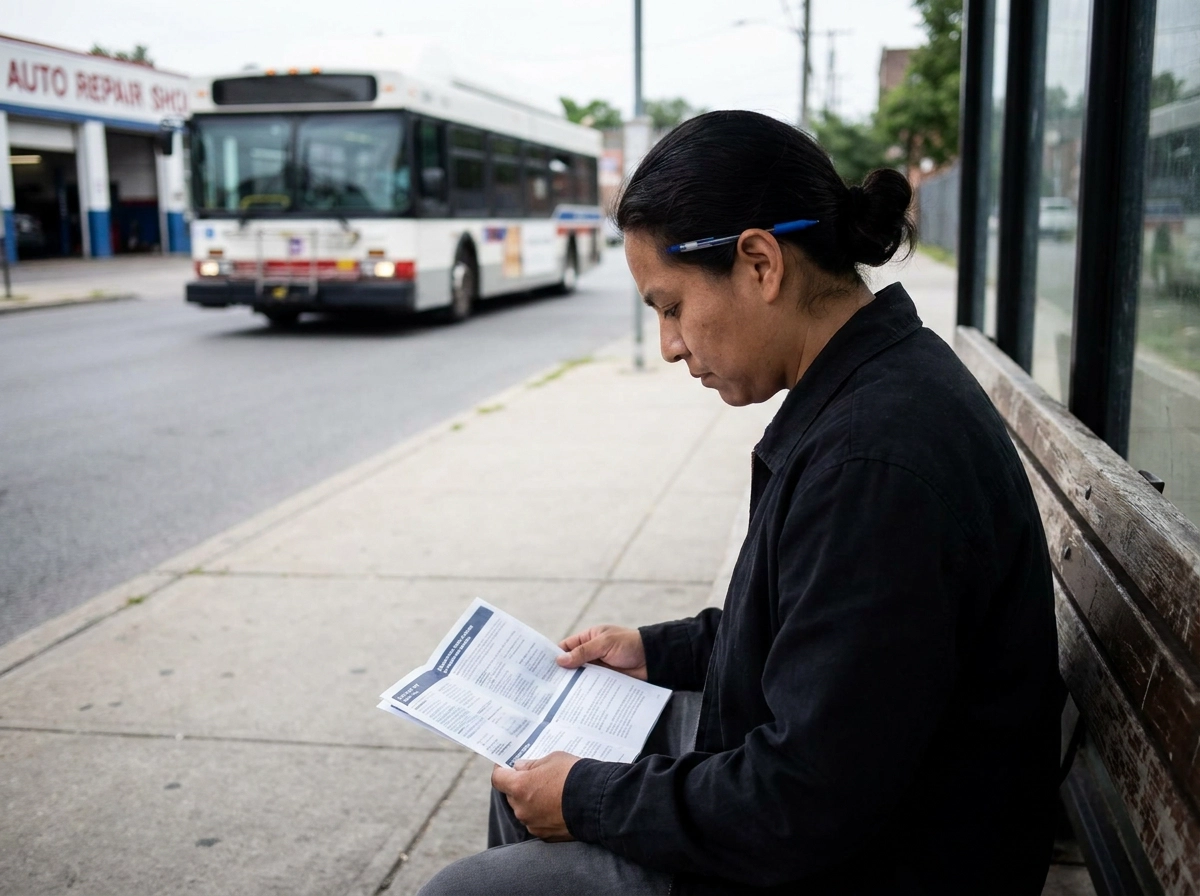
For a rental car after a Kentucky accident, loss of use is the value of being deprived of your car while it is repaired or replaced. Kentucky recognizes it as an element of a property damage claim, limited to reasonable and necessary expenses for the time needed to repair or replace the vehicle, which keeps it separate from both repair costs and injury damages.
What PIP Will and Will Not Pay
Personal Injury Protection (PIP) is Kentucky’s no-fault benefit, typically $10,000, and it pays medical bills, lost wages, and certain out-of-pocket expenses. It is not a rental car benefit. Do not count on PIP to keep you in a vehicle.
The Payers You May Deal With
The main sources are your own rental-reimbursement coverage and the at-fault driver’s property-damage insurer.
Expect more than one payer to be involved at the same time. Knowing who pays first can save weeks of delay, and rental cars and loss of use claims move faster when you route each request to the right adjuster.
At-Fault Insurer vs. Your Own Rental Coverage
Once you know the possible payers, decide who to ask first. For a rental car after a Kentucky accident, start with your own auto policy. Rental reimbursement is typically sold as an add-on with a daily limit and a total cap, and it usually applies regardless of who caused the crash. Confirm your policy’s exact wording.
Then ask your own adjuster two questions in writing: Do I carry rental reimbursement, and will you pay it up front while you pursue the at-fault carrier? Written answers create a record. If you are still gathering basics, this first 24 hours after a car accident guide covers what to collect early.
Next, contact the at-fault driver’s property-damage insurer. Loss of use is an economic damage item in your third-party claim. That insurer will want proof the rental was necessary and reasonable for the time needed to repair or replace the vehicle.
Expect requests for the rental invoice, the repair estimate, and sometimes confirmation that you did not own a second usable vehicle.
Finally, get the claim number and adjuster name from the at-fault insurer, and put every request in writing with the date. Sequencing disputes are common when two carriers are involved, and a dated paper trail is how you win them. Once you know which carrier is paying, the next fight is how many rental days they will accept.
Rental Car After a Kentucky Accident: How Long Is It Covered?
Once you know which carrier to ask, the next fight over a rental car after a Kentucky accident is duration.
Reasonable means repair time, not convenience. A rental should track the days your vehicle is actually in the shop, or the days reasonably needed to replace it after a total loss. It is not a courtesy car for as long as you like.
Document the clock from day one. Get a written repair estimate and an estimated completion date from the shop early, then send that timeline to both insurers. Written timelines also support Kentucky’s requirement that insurers act reasonably promptly on claims.
Handle delays in writing. If parts backorders or shop backlog stretch the job, request a supplement and an updated written timeline instead of letting the rental quietly run. Adjusters deny unexplained days.
Match the class and rate. Insurers normally expect a comparable vehicle to what you drive, so an upgrade can be challenged even when the crash was not your fault.
Avoid silent gaps and trailing days. Days that trail past repair completion or settlement are the first an adjuster disputes, and likely denies. A rental lapse that restarts without explanation raises the same objection. Your filing deadline works the same way, so confirm how long you have to file before you let time pass.
There is generally no fixed number of rental days for a rental car after a Kentucky accident. Your documentation, not a rule of thumb, defines what was reasonable. If your car is declared a total loss instead, the measure shifts.
If Your Car Is a Total Loss: How Timing Changes
When the shop or your insurer declares the car a total loss, the reasonable-length standard changes shape. Repair time no longer controls. The new measure is how long you reasonably needed to replace the vehicle and settle its value, so document your replacement search with the same care you gave the repair timeline.
Ask the adjuster for the total loss valuation in writing, then review the comparable vehicles used to build it. Comparables drive the number you will be arguing about. If the offer looks low, a lowball settlement on a totaled car can be challenged, and an undervalued vehicle settlement can make your rental claim look inflated by comparison.
Next, pin down the cutoff. Ask the adjuster for the specific date the rental cutoff begins, get it in writing, and plan your replacement purchase around that date rather than being surprised by it.
Avoid double claiming. If a settlement figure includes loss of use for a stated period, confirm exactly which days it covers before you claim those same days elsewhere. Overlapping claims invite a denial.
Document delays caused by the other side. If the at-fault insurer is slow to pay, record the dates and raise that delay with the adjuster in writing. A stalled payment supports a longer reasonable rental period.
Keep every rental invoice through the cutoff date. Total loss claims generate the most disagreement about when a rental should have ended, so a complete invoice file is your top defense.
Keeping Receipts for a Rental Car After a Kentucky Accident and Documenting Loss of Use
With the cutoff date in hand, your next job is building a paper trail the adjuster cannot argue with. Loss of use is an economic loss, and like any other economic loss, it lives or dies on documentation.
Keep every invoice. Save each rental invoice, not just the final one. Each should show the daily rate, taxes, fees, and any waiver or protection product, so the full cost is visible. Missing invoices invite disputes.
Log four dates. Record the crash date, the date your car entered the shop, the date it was released, and the date you could drive again. That timeline is the backbone of a loss of use claim.
Build one folder. Store the police report, the other driver’s insurance information, damage photographs, and every repair estimate together. When an adjuster asks, you send the whole file on request.
Pay traceably. Use a card or another traceable method. Long stretches of cash payments are hard to prove and easy for an insurer to discount.
Separate incidentals. Track fuel, tolls, and parking on their own line. Some are reimbursable and some are not, so be clear about which is which instead of bundling them into the rental rate.
Send a written demand. Attach the receipts to a dated demand for loss of use, and keep a copy of everything you send, including the date it went out. Kentucky’s unfair claims settlement law requires insurers to investigate claims reasonably and explain denials promptly, and a dated record gives you something to measure that duty against.
Because loss of use is an economic loss, it sits alongside other economic damages that are calculated rather than argued. With the record complete, the next question is how Kentucky’s own rules change what you actually collect.
How Kentucky Rules Change the Math: PIP and Comparative Fault
Your receipts establish what you spent. Kentucky’s rules determine how much of it you keep, and two of them do most of the work.
PIP Is Not Rental Coverage
As explained above, PIP is not a rental benefit. It will not keep you in a vehicle.
Pure Comparative Fault Shrinks the Whole Claim
Kentucky also follows pure comparative fault, apportioned under KRS 411.182. Your percentage of fault, even a small one, reduces your recovery across economic damages, including rental and loss of use. Because the same percentage shrinks both, treat fault arguments and rental arguments as one connected fight.
Insurers often raise your fault percentage specifically to cut what they pay for a rental. Answer with evidence of how the crash happened, such as the police report, photographs, witness statements, and your own account, rather than accepting a number as final. For background on how Kentucky applies these rules, read this Kentucky law in brief.
Your Next Steps for a Rental Car After a Kentucky Accident
Now that the math is clear, act on these steps in order.
- Call your own insurer today. Confirm in writing whether your policy includes rental reimbursement, then request the at-fault driver’s claim number and adjuster name. Both carriers will need to coordinate, and putting the first request in writing starts the record.
- Track every rental day with a receipt and a one-line written reason, such as “vehicle in shop, completion estimated March 14.” Reasonableness is the first thing an adjuster attacks, and a documented timeline defeats that attack.
- Do not treat PIP as rental coverage. The typical $10,000 benefit goes to medical bills and lost wages, and spending it down early can leave later care unpaid.
- Build a fault record. Kentucky’s pure comparative fault can reduce any reimbursement, so preserve photographs, the police report, and witness statements showing why the other driver was responsible. If you were rear-ended, see who pays your bills after a rear-end crash.
- Escalate if the insurer stalls. If a carrier lowballs or disputes fault, a trial lawyer can push the claim forward. Larry Forman has tried 50+ jury trials and won 95% of them.
Reviewed by Larry Forman, Attorney.
Call (502) 931-6788 for a free case review. No fee unless we win.
Conclusion: Your Rental Car After a Kentucky Accident
Who pays for a rental car after a Kentucky accident often depends on fault, your own policy, and how long the rental is reasonable. The at-fault insurer may owe loss of use, but your own rental reimbursement can fill gaps while the claim moves. Total loss timing and PIP rules change the math, so do not assume medical benefits cover a rental. Receipts, repair estimates, and fault evidence make your claim harder to dispute. If an insurer stalls or disputes fault, Larry Forman can step in. He has tried 50+ jury trials and won 95% of them. Call (502) 931-6788 for a free case review. No fee unless we win.