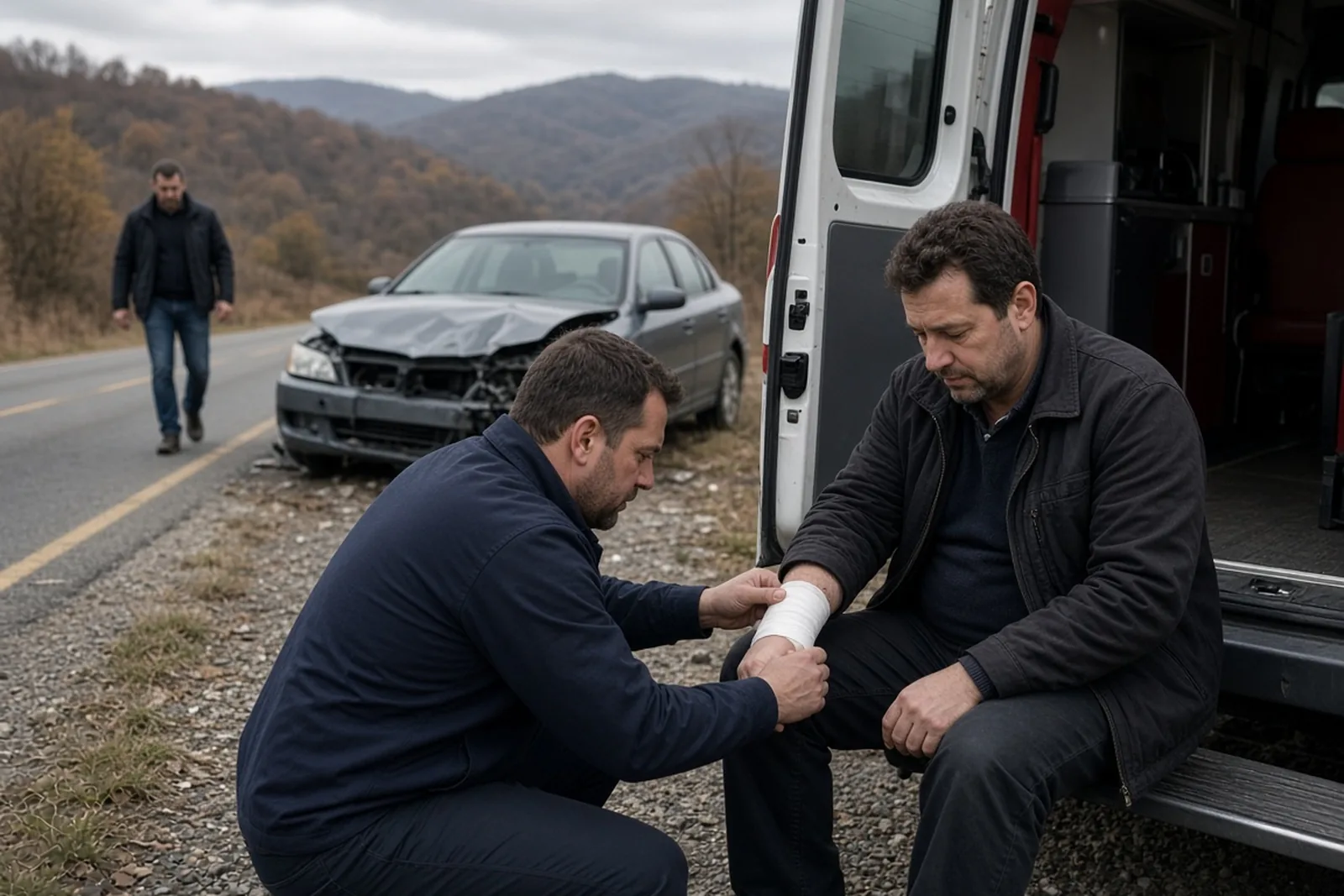
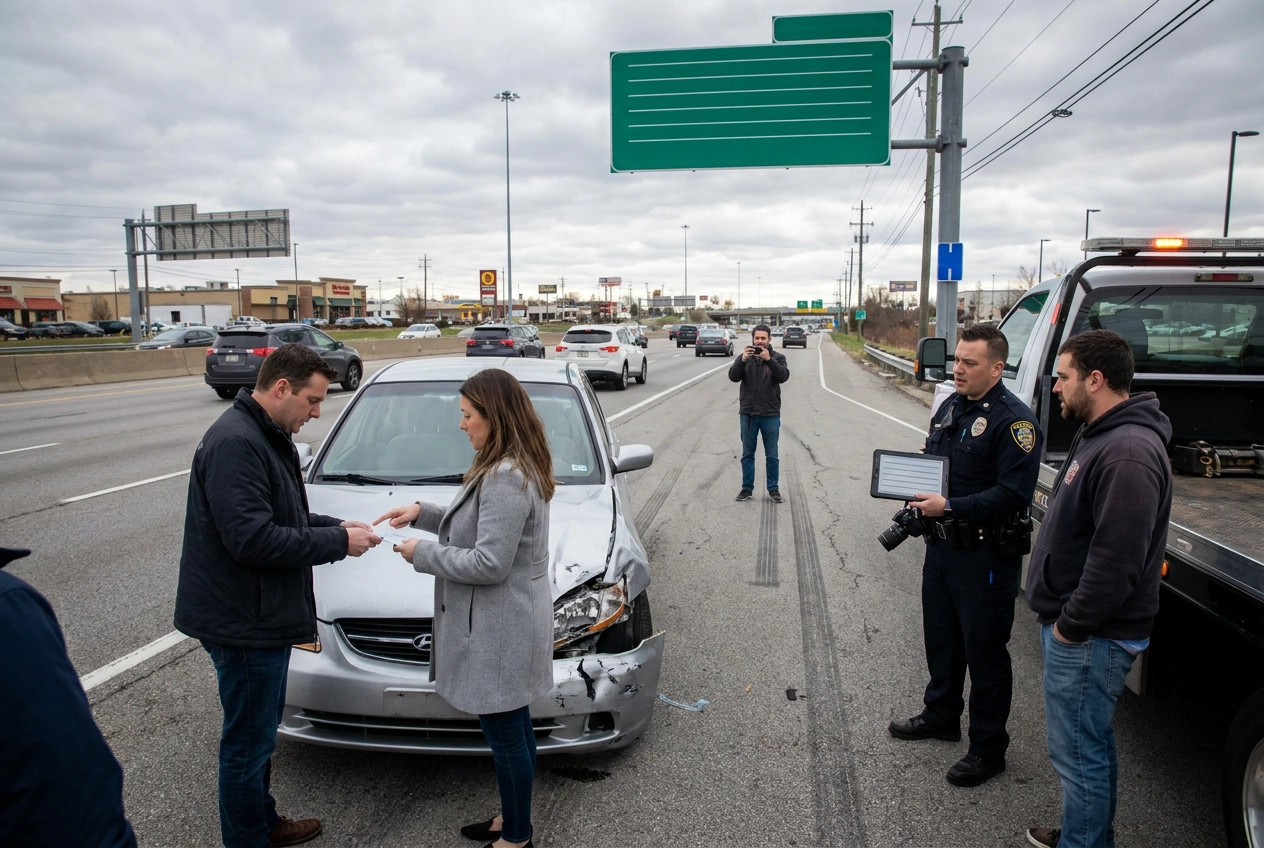
Outer Loop crashes in Louisville are a real risk: the road (KY 1065) carries a high-volume mix of commuters, shoppers, and heavy trucks, with UPS Worldport and Jefferson Mall nearby. One moment of congestion, a sudden stop, or a left turn across traffic can turn an ordinary drive into a serious crash. A Louisville car accident lawyer can help you sort out what comes next. If you are dealing with a crash on Outer Loop, Louisville residents often face the same urgent questions: where did it happen, who was at fault, and what evidence must be preserved now?
This guide explains what to do after Outer Loop crashes in Louisville, why this corridor sees so much traffic, where crashes tend to happen, and what heavy trucks near UPS Worldport and Jefferson Mall mean for your claim. You will also learn about two crash patterns to investigate, left turns and rear-end impacts, plus what to do in the first hours, how to get the LMPD crash report, and which evidence to preserve.
We cover Kentucky rules and deadlines that apply to your claim and close with next steps.
Reviewed by Larry Forman, Attorney. No fee unless we win. Call (502) 931-6788 for a free case review.
Why Outer Loop Sees So Much Traffic
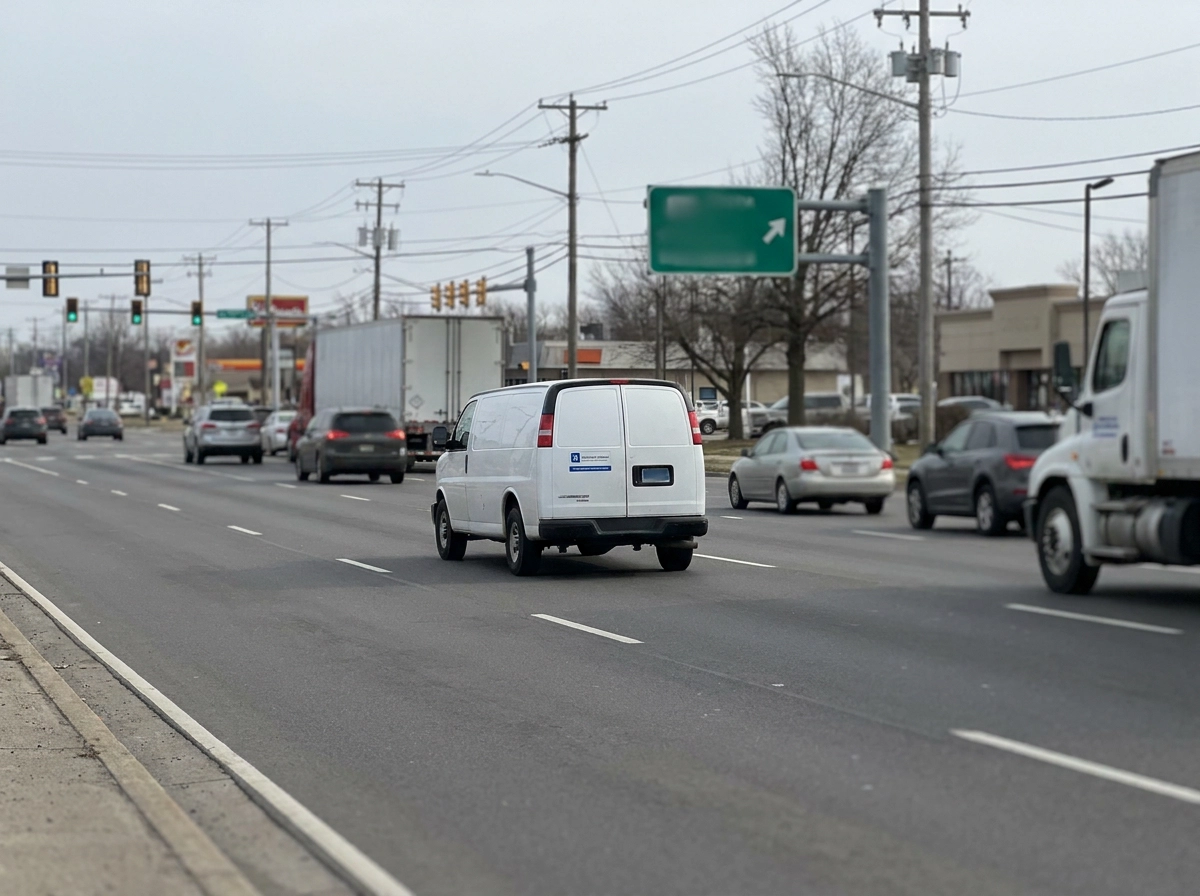
Outer Loop is a busy south Louisville corridor near Jefferson Mall, UPS Worldport, and Louisville Muhammad Ali International Airport. That geography explains the daily load. Commuters, airport and freight shift workers, retail shoppers, delivery drivers, and heavy commercial trucks all share the same lanes and driveways. If a semi hit you, talk to a truck accident lawyer.
Volume alone is not the story in Outer Loop crashes in Louisville. Frequent driveways, signalized intersections, and turn lanes create constant decision points. A driver slowing for a driveway, a truck swinging wide for a turn, and a car changing lanes can converge in seconds. One misjudgment becomes a collision.
Where Outer Loop Crashes in Louisville Tend to Happen
Rather than a ranked list of hot spots, it helps to think in terms of repeated conflict points. Signalized intersections, retail driveways around Jefferson Mall, and the merge and turn lanes along the corridor each force quick decisions in a short distance.
Freight and distribution driveways intensify that. A tractor-trailer or delivery van slowing toward a dock entrance can fall well below corridor speed, and drivers who never saw a turn signal may not register the change in time.
Shift changes and shopping peaks concentrate vehicles, so extra following distance and patience at those times are sensible.
The practical takeaway: more following distance and a slower approach to driveways and intersections are the two factors a driver actually controls on this stretch, and they matter more than memorizing where Louisville crashes happen.
Heavy Trucks Near UPS Worldport and Jefferson Mall: What It Means for Your Claim
This stretch of Outer Loop carries more than commuter traffic. UPS Worldport, a large air freight facility near the airport, means tractor-trailers, box trucks, and package vans move through the surrounding roads. If a commercial truck was involved, carrier-level information may be available from the FMCSA.
Truck physics change outcomes. A loaded tractor-trailer needs far more distance to stop than a passenger car, a wide right turn can sweep into the lane beside it, and large blind spots can hide a car entirely.
Then comes early contact. A commercial carrier’s insurer or adjuster may call within days, and a recorded statement given before you have medical records or counsel can be used against you later.
Truck evidence also disappears fast: driver logs (the record of duty status), electronic logging device data, accident register records, and onboard camera footage. Retention windows are short, which is why early legal involvement matters in truck cases. Truck weight makes every one of those crash patterns worse.
Left Turns and Rear-End Impacts on Outer Loop
Once past truck-specific risks, two crash patterns to investigate are left-turn conflicts and rear-end impacts.
Left turns are a gap-judgment problem. A permissive left turn, with a green ball and no arrow, requires judging oncoming speed and distance. Misjudged gaps are a common cause of left-turn crashes, and higher speeds shorten the margin for error.
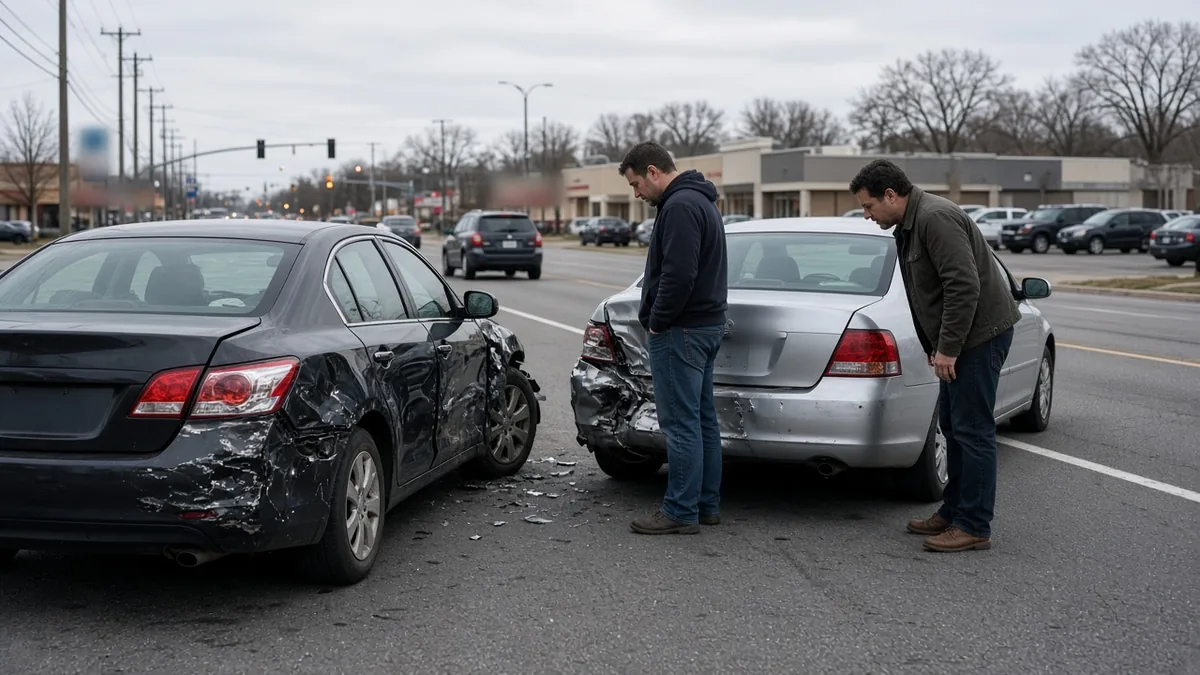
Rear-end crashes can happen where traffic queues at signals and commercial driveways. Distraction or impatience turns a normal stop into a sudden one.
Kentucky follows pure comparative fault (KRS 411.182): each party is assigned a percentage of fault and your recovery is reduced by your share. Evidence decides these cases. Signal timing records, dashcam footage, and independent witnesses often determine whether any fault is assigned to the injured driver. See who is at fault in a Kentucky rear-end collision? for more.
Do not argue fault at the scene. Exchange details, collect names and contact information, photograph the scene. Let the evidence and a lawyer sort allocation later.
What to Do in the First Hours After an Outer Loop Accident
Since fault gets sorted out later, the first hours are about safety and documentation, not debate.
Secure the scene. If the vehicles can be driven, move them out of the travel lanes, turn on hazard lights, and call 911. Ask for a police response so an official crash report is created.
Control what you say. Be truthful and complete with the responding officer. Decline recorded statements and detailed fault conversations with the other driver’s insurance company. A recorded statement given before you have medical records or legal advice can be used against you, decline politely and say you will follow up through counsel.
Document the scene only if you can do so safely. Never delay moving out of danger to take photographs. If it is safe, photograph vehicle positions, lane markings, damage, signal state, skid marks, debris, road and weather conditions, and nearby signage.
Get evaluated promptly. See a provider even if you feel fine. Symptoms often surface later, and prompt records are what tie your injuries to this specific crash.
Open the PIP claim. Kentucky’s no-fault personal injury protection pays medical bills and lost wages regardless of fault. Basic PIP provides up to $10,000 per person per accident, paid by the insurer of the vehicle you occupied.
Handling these steps early protects the evidence your claim will depend on.
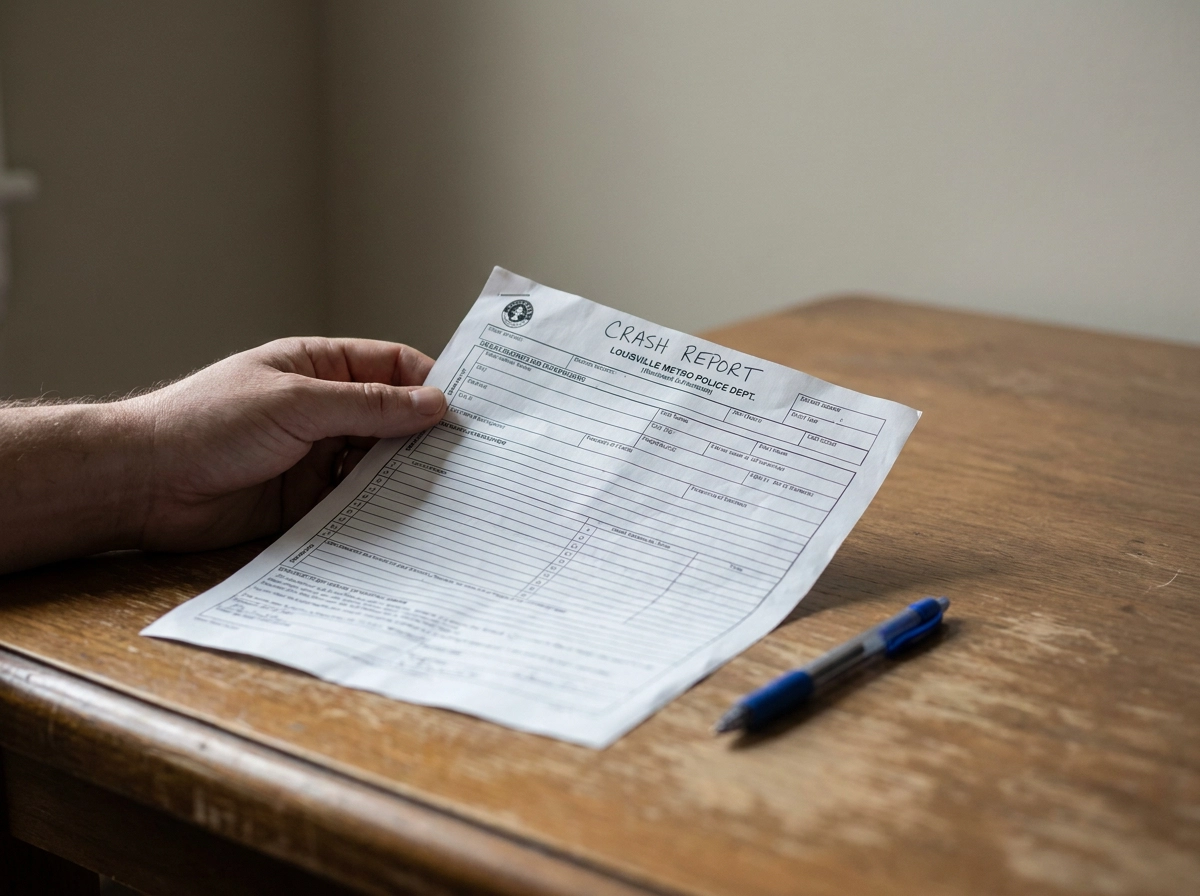
How to Get the LMPD Crash Report After an Outer Loop Collision
The report comes from the agency that worked the scene, not from you or the other driver. LMPD publishes its own records request instructions, so check its website for current fees and hours before you file. If a different agency worked the crash, request the report from that agency, the same way jurisdiction shapes who investigates an I-71 crash.
Have these details ready: date, approximate time, exact location on Outer Loop, agency case number, report number, responding officer’s name and badge, and the other driver’s name, plate, and insurer.
Read the finished report closely. Reports can be amended or corrected, so flag errors such as the wrong location, an omitted party, or an incorrect injury description.
Treat the report as one piece of evidence in Outer Loop crashes in Louisville, not the last word. An officer’s impression about fault does not bind an insurance company or a court.
Evidence to Preserve After Outer Loop Crashes in Louisville
The report is one piece of the record. The rest you gather yourself, and quickly, because much of it disappears.
Photos and video. Photograph vehicle positions, damage, lane markings, signage, and signal state, and save dashcam files before they overwrite. Nearby mall entrances, fuel stations, and freight-adjacent properties may hold surveillance footage; send written preservation requests fast, since many systems loop over recordings within days.
Witness information. Record full names, phone numbers, and employers for drivers, passengers, and bystanders, plus a short note on what each saw and where they stood.
Medical documentation. Keep emergency records, imaging, treatment notes, and prescriptions, and log symptoms, missed work, and changes to daily activities as they occur.
Vehicle and data evidence. Save repair estimates and photos of every damaged area. For newer vehicles, submit a formal written request to download event data recorder information. That data often feeds into what accident reconstruction uses.
Truck evidence. If a commercial vehicle was involved, capture the carrier name and USDOT number, cab and trailer identification, the bill of lading, driver’s logs, and the carrier’s crash and safety record.
Gathering these items early after Outer Loop crashes in Louisville keeps the record intact, since retention periods vary and some records are purged within months.
Kentucky Rules and Deadlines That Apply to Your Claim
Once evidence is secured, two questions shape an Outer Loop claim: what Kentucky pays after a crash and how long you have to act.
No-fault PIP. Kentucky’s no-fault PIP (up to $10,000 per person per accident) covers medical expenses and lost wages regardless of fault, see the first-hours section above for how to open the claim.
Comparative fault. Kentucky follows pure comparative fault (KRS 411.182): each party is assigned a percentage of fault and your recovery is reduced by your share.
Deadlines. For most Kentucky motor-vehicle injury tort claims, KRS 304.39-230(6) provides two years after the injury, death or issuance of the last basic or added reparation payment, whichever occurs later. Exceptions, including a valid no-fault rejection, can change the analysis. Property damage and uninsured motorist deadlines can differ, so waiting costs options. Confirm your deadlines with an attorney.
Next Steps: Call (502) 931-6788 for a Free Case Review
If you have followed the steps above, the goal is simple: build the record now, because deadlines and evidence both reward early action. Keep receipts, repair estimates, and a symptom log together in one place.
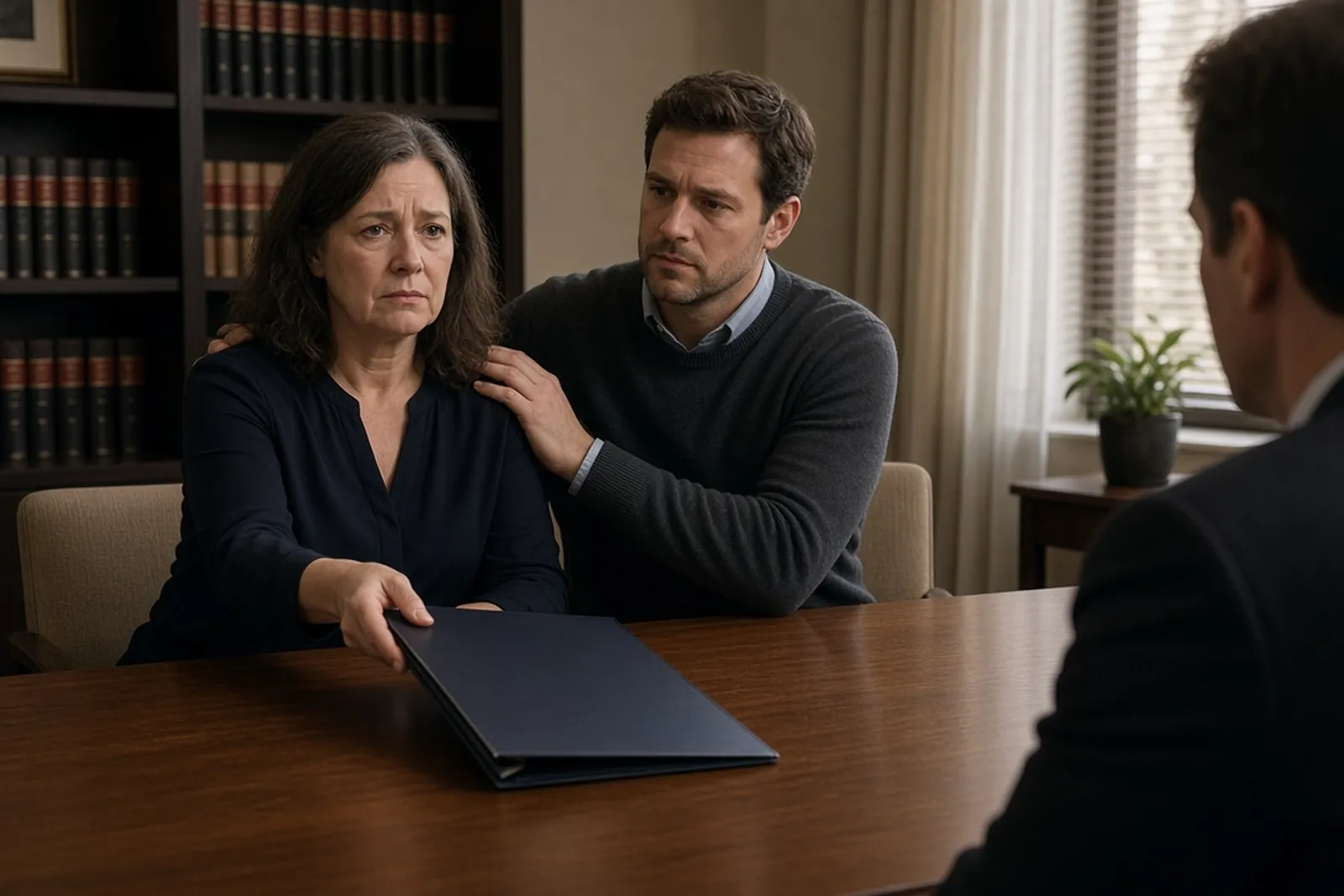
If you were hurt on Outer Loop, call (502) 931-6788 for a free case review. We will walk through what happened, what evidence exists, and what deadlines may apply. No fee unless we win.
Early evidence often shapes a claim after Outer Loop crashes in Louisville: scene photos, witness memories, and medical records are clearest in the days right after a crash. The sooner those details are secured, the better positioned any claim will be.
Conclusion
Outer Loop crashes in Louisville can involve factors such as heavy truck traffic near UPS Worldport and Jefferson Mall, plus left-turn and rear-end impacts that happen fast and leave little reaction time. What you can control is the record. Get the crash report, preserve photos, witness details, and repair estimates, and document injuries with prompt medical care. Kentucky deadlines are shorter than many people assume, and waiting costs options.