
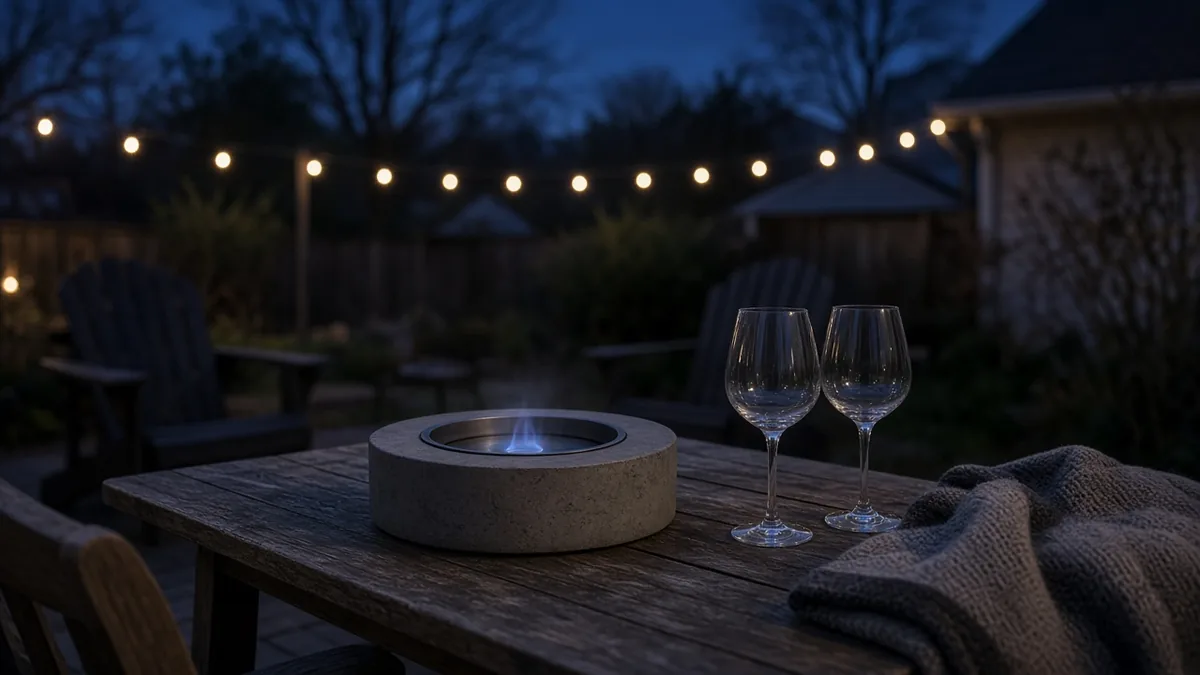
Most claims fall into one of four groups:
A claim can be a product liability case against the companies that made and sold the fire pit or fuel. It can be a premises liability case against a restaurant, hotel, short-term rental or homeowner. Some cases are both. Kentucky's product liability law, KRS 411.300, covers injuries caused by a product's design, manufacture, testing, warnings, instructions, marketing, packaging or labeling. Any of those can be the defect in an exploding fire pit case.
If you were burned by a fire pit in Louisville or anywhere in Kentucky, talk with our team today. Every case is reviewed at no charge. No fee unless we win.
The CPSC describes two hazards over and over in its 2024–2026 recalls and warnings.
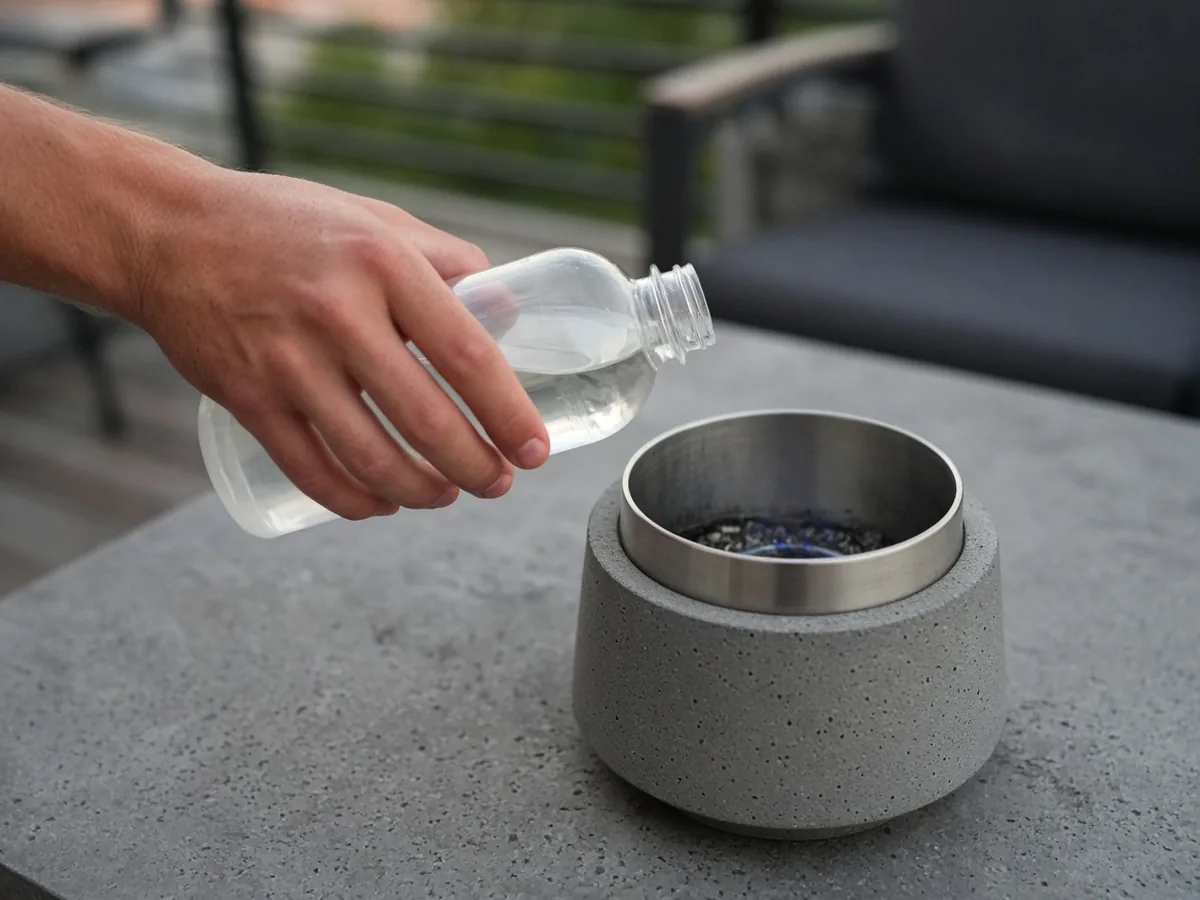
Flame jetting. Alcohol flames can be nearly invisible in daylight. If any flame is left in the bowl when someone refills it, the fuel can ignite as it's poured. The fire then flashes back into the bottle and, in the CPSC's words, causes "an explosion that propels flames and burning liquid onto the consumer or bystanders." The person most badly hurt is often someone sitting nearby, not the person pouring. The CPSC's fuel container safety page explains that flame jetting can happen whenever flammable liquid is poured toward an exposed flame.
Pool fires. If fuel spills, leaks or splashes outside the cup, the whole puddle can catch. The CPSC says this "can suddenly produce larger, hotter flames that can spread beyond the fire pit." It also notes that isopropyl alcohol and bioethanol burn at over 1,600°F and "can cause third degree burns in less than one second."
Gel fuel isn't new. In 2011 the CPSC and nine companies recalled about 2 million bottles of pourable gel fuel. The agency reported 65 incidents, two deaths and 34 people hospitalized with second- and third-degree burns. Burning gel sticks to skin and is hard to put out.
These are examples, not a complete list. A product doesn't have to be recalled to be defective.
If you had a fire pit injury, you can also report it at SaferProducts.gov. Keep the product. Don't mail it back for a refund until you've talked with a lawyer.
A bowl that requires pooled fuel to be lit in the same spot it was poured.
Nothing stops a flame from traveling into the bottle. Invisible or lingering flame makes it worse: the fire looks out, but it isn't.
Missing or buried "never refill while lit or warm" language, or none in the box at all.
Poorly made concrete or glass units leak fuel or fail under heat. Light, unstable tabletop units spill burning fuel.
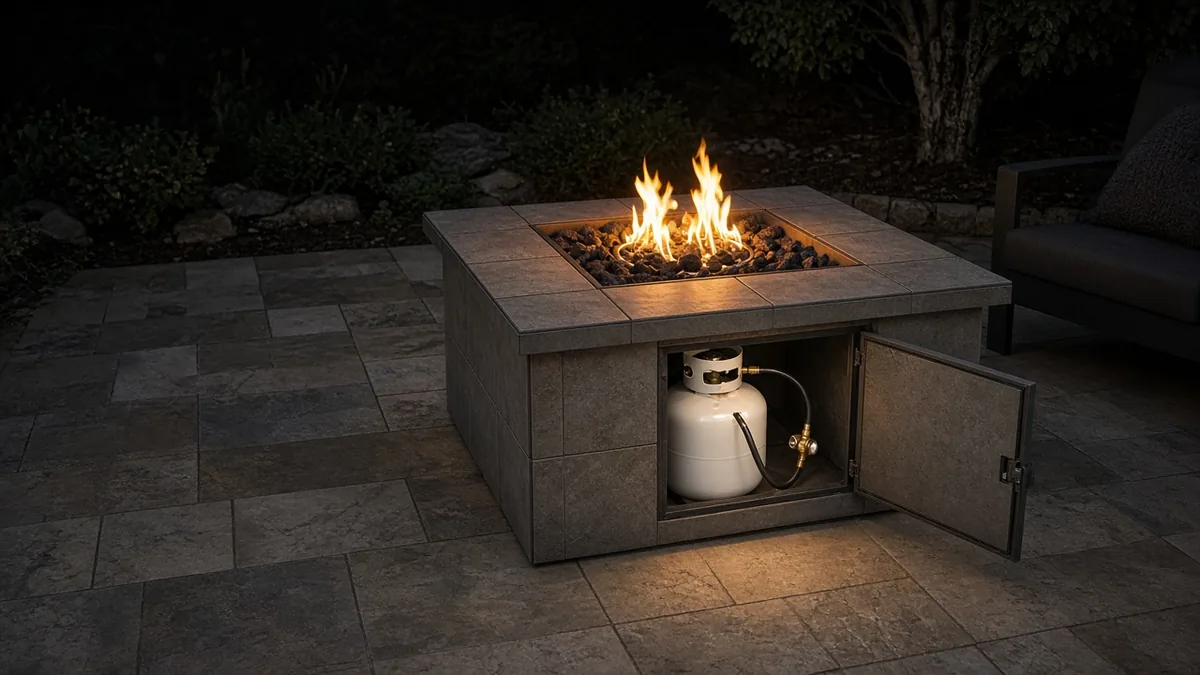
Leaking hoses, regulators and valves, hoses routed near the burner, or missing heat shields.
Gasoline or lighter fluid thrown onto a wood fire. The CPSC's backyard fire pit advice says never use gasoline to start or restart a fire. Also a business or rental host who lets guests refill a lit unit, or places a fire pit where children can reach it.
CALL NOW — Free Case Evaluation Request Your Free Consultation
Fire pit burns are often catastrophic burn injuries. They can mean skin grafts, months of wound care, contractures, infections and, for some people, permanent scarring and disfigurement. Splattered fuel can also cause facial and eye injuries. In a Kentucky case, damages can include:
Every case is different. We don't predict results, and no lawyer can promise one.
Defect theories. A Kentucky product case usually rests on a design defect (for example, a bowl that pools fuel when a safer, practical design was available), a manufacturing defect (a cracked or out-of-spec unit), or a failure to warn. These claims can be brought in strict liability, negligence or breach of warranty.
The two presumptions in KRS 411.310. KRS 411.310 presumes a product was not defective in two situations. The first is when the injury happened more than five years after the first sale to a consumer, or more than eight years after manufacture. The second is when the design, manufacturing and testing met "the generally recognized and prevailing standards or the state of the art" when it was made. Both presumptions can be rebutted with evidence. The safety standard matters in these cases. The CPSC has said pooled-fuel tabletop designs violate ASTM F3363-19, and that standard has since been updated as ASTM F3363-25.
Retailers and online sellers. Under KRS 411.340, a wholesaler, distributor or retailer that sold a product in its original condition generally isn't liable if the manufacturer is identified and subject to the court's jurisdiction. The seller can still be liable if it breached an express warranty or knew or should have known the product was defective and unreasonably dangerous. Many of these fire pits are made overseas, so who can be sued in Kentucky is an early question we investigate.
Comparative fault. Companies often blame the person who poured the fuel, and a fire pit explosion lawyer answers that with the product's own design and warnings. Kentucky's comparative fault statute, KRS 411.182, expressly applies to product liability actions. A jury assigns a percentage of fault to each party, and your recovery is reduced by your share. See how Kentucky's pure comparative fault works.
Deadlines. Most Kentucky personal injury claims, including product injury claims, must be filed within one year under KRS 413.140(1)(a). Special timing rules apply when the injured person dies; see KRS 413.180. Other states have different deadlines. See our Kentucky statute of limitations guide and call early. The evidence disappears fast.
Many fire pit injuries happen away from home: on a restaurant patio, at a hotel, at a short-term rental or in a neighbor's backyard. Kentucky property owners and businesses owe guests reasonable care. That can mean keeping liquid-fuel tabletop units off the tables, never refilling a lit unit near guests, keeping children away and keeping a propane fire table maintained. These are premises liability claims. They can sit alongside a product claim against the manufacturer. For hotel injuries, see our hotel injury page. If you were hurt at a friend's or relative's home, the claim is usually paid by their homeowners or renters liability insurance, not out of their pocket. See injured at someone's house.
Gas leak explosions inside homes and apartments are covered on our gas explosion page. Battery explosions are covered on our vape explosion page. For other defective products, see product liability.
Manufacturers and their insurers know which lawyers will go to trial. Larry Forman has tried 50+ jury trials and won 95% of them.
Larry Forman has tried 50+ jury trials and won 95% of them.
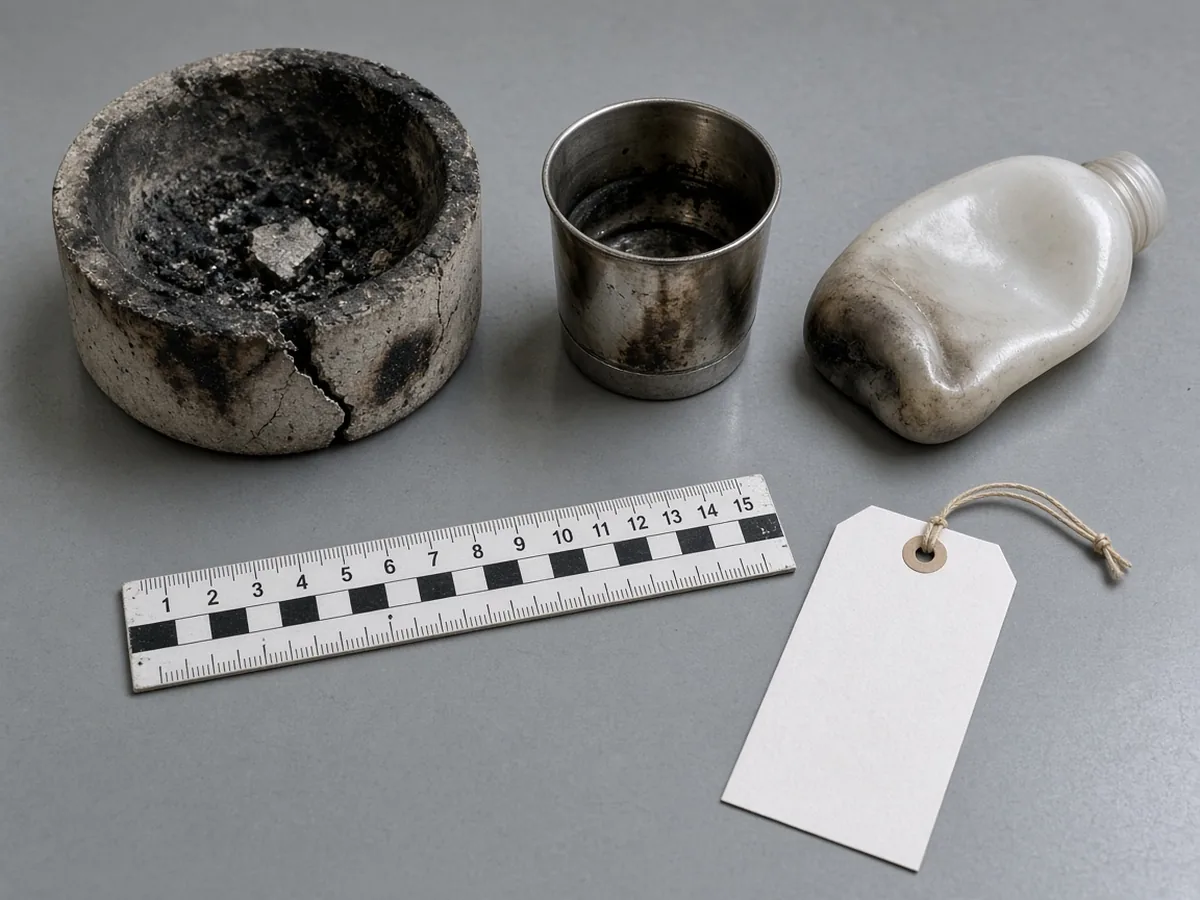
We move quickly to preserve the fire pit, the burn cup and the fuel bottle before they are lost or destroyed.
We work with fire-cause and burn-medicine professionals to test the product against the safety standard.
We document what a burn injury costs over a lifetime, from grafts to scar care to lost work.
You pay nothing up front.
Louisville-based, serving injured people across Kentucky, and taking calls nationwide. See our case results.
CALL NOW — Free Case Evaluation Request Your Free Consultation
Talk with our team about what happened. The consultation is free.
This page is general information about Kentucky law as of November 2026, not legal advice. Recall information is from CPSC notices; check cpsc.gov for current details.