Reviewed by Larry Forman, Attorney.
Key takeaways: In the landlord dog bite case Hoak v. Left Back Properties, LLC, a Kentucky Court of Appeals decision issued on November 6, 2026, a landlord who owned a rental house but did not live there was not a strict-liability “owner” of a tenant’s dog. The court also found no negligence claim because there was no evidence the landlord knew the dog existed.
If a tenant’s dog bites you, can you also hold the landlord responsible? A new Louisville-origin appellate decision addressed landlord dog bite claims and gives a cautious answer: usually not under the strict liability statute, and only on a negligence theory if the landlord knew about the dog.
Landlord dog bite liability in Kentucky: What happened in Hoak
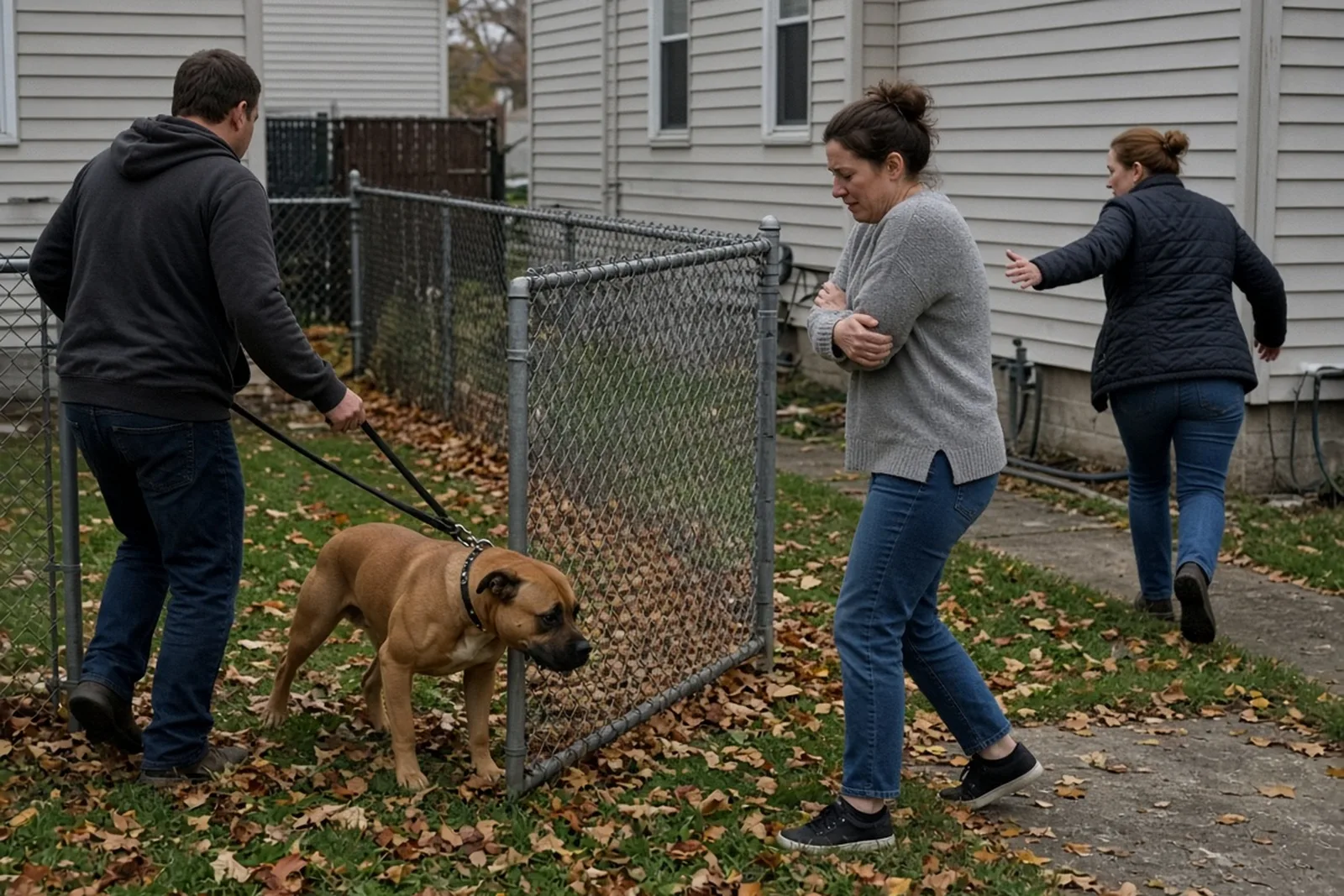
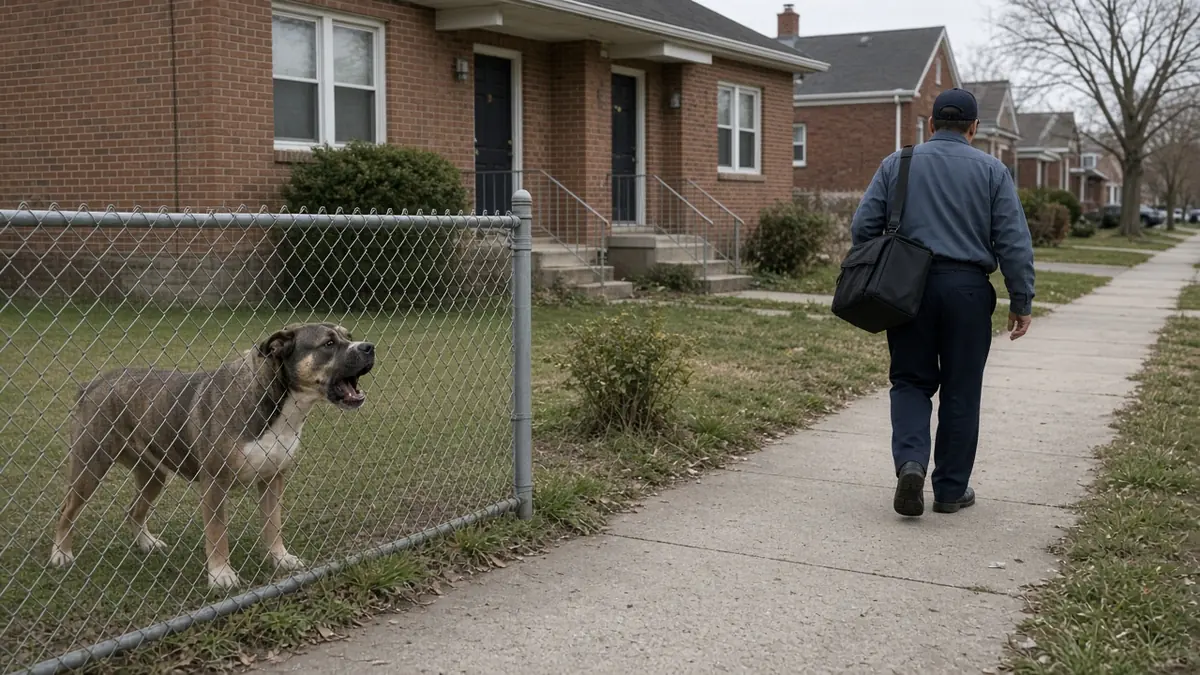
According to the opinion, Brittany Hoak was crossing the backyard of a Louisville rental property on November 7, 2023, when a pit bull terrier that lived in a garage at the back of the property attacked her. She suffered serious injuries to her face and arm, including a fractured jaw that required emergency surgery. Animal control cited one of the people living there as an owner of the dog. Hoak sued two of the residents and the company that owned the property, Left Back Properties, LLC, in Jefferson Circuit Court, claiming strict liability and negligence. The residents were never served with the lawsuit.
The trial court granted summary judgment to the landlord. On November 6, 2026, the Kentucky Court of Appeals affirmed in an opinion marked “to be published.”
The strict liability ruling: owning is not enough
Kentucky’s dog bite statute, KRS 258.235, makes an “owner” liable for damage the dog causes. Under KRS 258.095(5)(b)3, an “owner” includes a person who permits the dog to remain on or about premises “owned and occupied” by that person. Before 2017, the statute said “owned or occupied.” The General Assembly changed “or” to “and,” and the Kentucky Supreme Court explained in Deramos v. Anderson Communities, Inc., 709 S.W.3d 197 (Ky. 2025), that the change “effectively reduced” strict liability for landlords.
The plaintiff argued that the landlord was also an occupier because its lease reserved a right to enter and a representative once visited to collect rent and look at the backyard. The Court of Appeals rejected that argument. It held that the landlord’s “exceedingly limited contact” with the premises did not turn ownership into occupancy, so the landlord was not a statutory dog owner.
The negligence ruling: the landlord must know
In landlord dog bite cases, strict liability and negligence claims are separate. Negligence requires fault, and for a dog bite negligence claim the plaintiff must show the defendant knew of the dog’s vicious or mischievous propensity. The court found no evidence in the record that the landlord was even aware the dog existed, much less that it was dangerous.

The discovery ruling
The plaintiff also argued that summary judgment came too early. The court disagreed on these facts: nearly two years had passed since discovery began, and she hadn’t explained why other depositions weren’t scheduled or what she did to secure the participation of the individual defendants. The court stressed that the ruling depended on the circumstances of the case and didn’t set a universal time limit.
What this means if you were bitten at a rental property
- Look to the dog’s owner first. People who keep or harbor the dog, or have it in their care, can be statutory owners. Even someone who lives at the property and routinely cares for the dog may be treated as an owner. The opinion noted in a footnote that the plaintiff’s own care of the dog could arguably make her a putative owner, but the court didn’t decide that question.
- A landlord who lives on site may be different. The statute covers premises the person both owns and occupies. A landlord who lives in the building or shares the premises is in a different position from an absentee owner.
- A landlord dog bite negligence claim depends on knowledge. Prior complaints, emails, text messages, lease rules about dogs or breeds, and whether the landlord was told about the dog can matter. In Deramos, the Supreme Court said a negligence claim against a landlord can go forward even where a strict liability claim fails. See our apartment landlord injury page for related issues.
- Insurance still matters. In landlord dog bite cases, the dog owner’s renter’s or homeowner’s policy is often the main source of payment.
What to do after a dog bite on rental property
- Get medical care and keep every record. See what to do after a dog bite.
- Report the bite to animal control and ask for the report number.
- Identify everyone who lives there, who owns the dog and who owns the property.
- Photograph your injuries, the property, the gate or fence and any warning signs.
- Save texts, emails and neighbor names that show whether anyone, including the landlord, knew about the dog.

Most Kentucky injury claims must be filed within one year (KRS 413.140(1)(a)). See our statute of limitations guide and our Louisville dog bite lawyer page. A decision by the Court of Appeals may still be reviewed, so check its current status before relying on it.
How Forman & Associates helps
We identify every responsible person and insurance policy, get animal control and landlord records, and document injuries, including scarring. See our scarring and disfigurement page. Larry Forman has 13 years of experience, and he has tried 50+ jury trials and won 95% of them. You pay no fee unless we win.
Landlord and tenant dog bite FAQ
Can I sue a landlord if a tenant’s dog bites me in Kentucky?
Under the current statute, a landlord is generally a strict-liability “owner” only if the landlord both owns and occupies the premises. A negligence claim may still be possible if the landlord knew the dog was dangerous and did nothing.
What did Hoak v. Left Back Properties decide?
In addressing a landlord dog bite claim, the Kentucky Court of Appeals held that an absentee landlord was not a statutory dog owner and that there was no evidence it knew of the dog, so it affirmed summary judgment for the landlord.
Who can I sue after a dog bite?
Usually the dog’s owner, including anyone who keeps the dog or has it in their care. Their homeowner’s or renter’s insurance may pay.
Talk to a Louisville injury lawyer
Bitten by a tenant’s or neighbor’s dog? Get a free case evaluation by calling (502) 931-6788 or contact us online. Our office is at 1139 S. 4th St., Louisville. No fee unless we win.
This post is general information about Kentucky law, not legal advice. Every case is different.