Reviewed by Larry Forman, Attorney.
Key takeaways: In Gonzalez Alvarez v. Allstate, the Kentucky Supreme Court held that your PIP insurer can use an examination under oath to question you about how you found your chiropractor and whether the bills match the care you received, but it still has to pay your PIP benefits on time while it investigates.
On August 20, 2026, the Kentucky Supreme Court decided Gonzalez Alvarez v. Allstate Property and Casualty Insurance Co., No. 2024-SC-0348-DG. It is the Court’s first decision on whether an insurer may use an examination under oath (EUO) to ask a PIP claimant about medical-provider solicitation and billing fraud. The opinion is designated “to be published.” Check the current docket for rehearing, review or finality developments.
What is an examination under oath?
An examination under oath is a sworn, recorded question-and-answer session that your own insurer schedules. A court reporter is usually there, and you can bring your lawyer. Many auto policies require an examination under oath, and Allstate’s policy did.
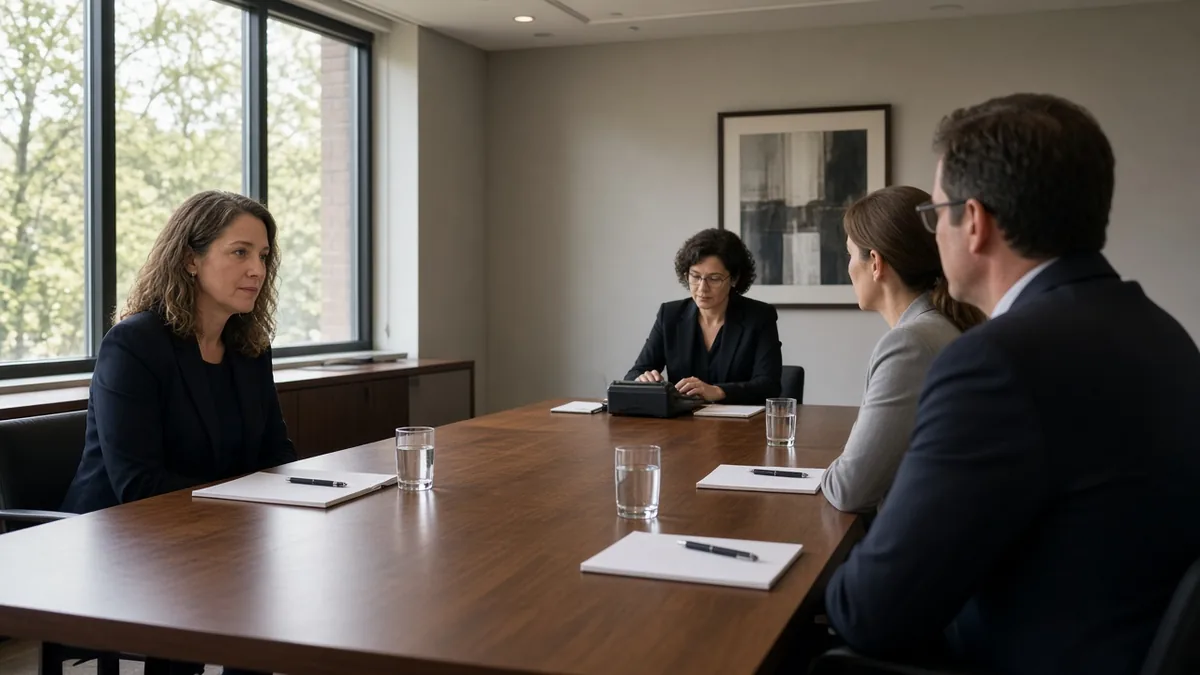
An EUO isn’t the same as a recorded statement to the other driver’s insurer. You generally need not provide a voluntary recorded statement to the opposing insurer; reporting, discovery and court obligations are separate. You may owe your own insurer cooperation, and refusing an examination under oath can put your PIP benefits (also called basic reparation benefits, or BRB) at risk. See how Kentucky PIP insurance works.
What happened in Alvarez v. Allstate
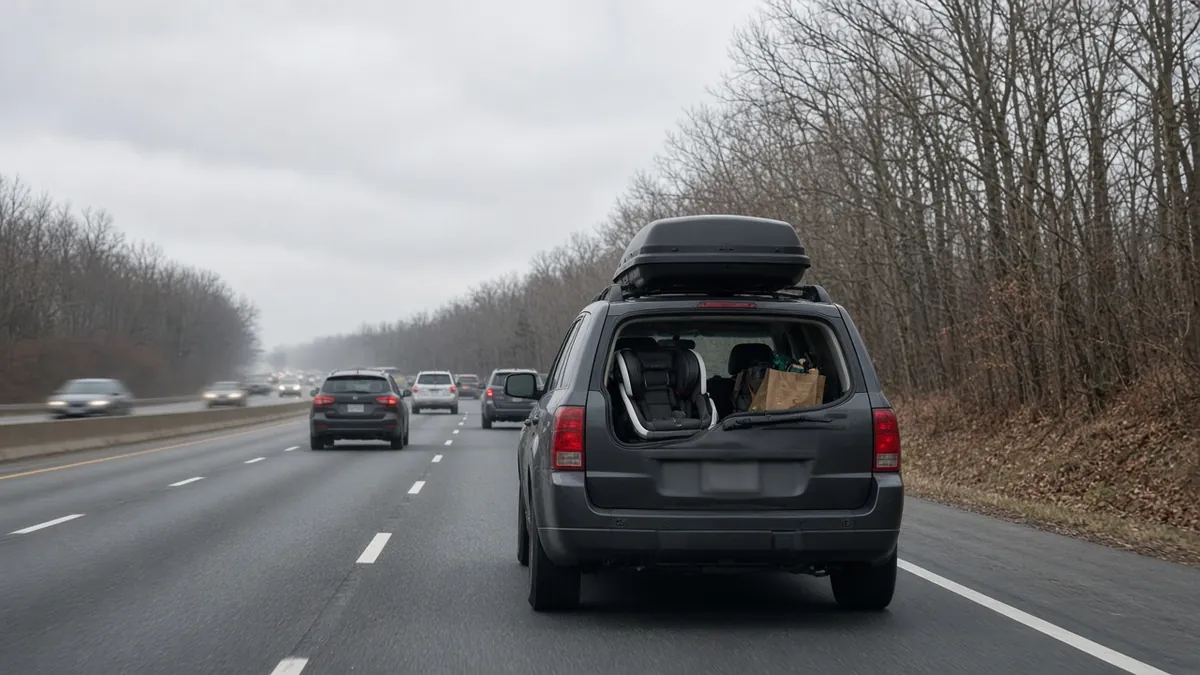
- In January 2022, Ms. Alvarez’s car was sideswiped on I-65 in Jefferson County.
- She applied for PIP benefits with Allstate and treated with a chiropractor.
- At her EUO, Allstate asked, “How did you find [the chiropractor]?” Her lawyer told her not to answer, arguing the question had nothing to do with the accident.
- Allstate didn’t deny the claim. It petitioned Jefferson Circuit Court under KRS 304.39-280(3) for permission to keep questioning her. At the hearing, Allstate said some clinics use “runners” who monitor police scanners and solicit crash victims, and it raised concerns about billing for care that wasn’t provided.
- The circuit court allowed a second round of questions, including solicitation, but limited it to a few hours. It refused Allstate’s request for her phone records. The Court of Appeals affirmed, and so did the Supreme Court.
What the Kentucky Supreme Court held
1. “Good cause” for more questioning is not a high bar. An insurer that wants to question you further under KRS 304.39-280(3) must show good cause. The Court said that standard is about reasonableness, and Allstate met it.
2. The Adams rule, explained. The Court built on State Farm v. Adams, 526 S.W.3d 63 (Ky. 2017). If Kentucky’s no-fault law (the MVRA) already provides a way to get certain information, such as medical records or a court-ordered medical exam, the insurer must use that route. If the MVRA provides no route and doesn’t forbid the question, the insurer may ask it in an examination under oath.
3. Solicitation questions are allowed. Kentucky’s Consumer Protection Act, not the MVRA, bans solicitation. Under KRS 367.4082, a health care provider (or someone working for one) may not solicit a crash victim for PIP-paid care during the first 30 days after the crash. The MVRA gives insurers no way to find out whether that happened, so the Court said an insurer may ask. It also held that solicitation falls within the “circumstances surrounding the accident.”
4. Billing-fraud questions are allowed, to the extent you know the answer. The insurer gets your records through the MVRA. It can then ask you whether you actually received the treatment billed. Only you can confirm or deny what happened in the treatment room.
5. The insurer still has to pay you on time. This may be the most important part for injured people. The Court stressed that Allstate had never paid or formally denied the claim, and it said Allstate should not have held up payment. Under KRS 304.39-210(1), PIP benefits are payable monthly as losses accrue. Every medical bill is presumed reasonable (KRS 304.39-020(5)(a)). An insurer may investigate a provider, but the Court said it may not hold back PIP payments while the investigation runs. If fraud is later proven, the insurer has to recover the money afterward from the provider under KRS 304.39-210(4) or KRS 367.4083.
Chief Justice Lambert wrote the opinion. Justice Thompson concurred in result only. He would limit solicitation questions to two: were you referred to the provider within 30 days of the crash, and if so, by whom.
Why the void-bill rule can actually help you
Under KRS 367.4083, charges for care that resulted from illegal solicitation are void. The provider can’t collect them from you, and money already paid must be returned to the insurer. As Allstate argued, if a clinic illegally solicited you, its bills may stop eating into your $10,000 in basic PIP benefits. Answer truthfully and ask your lawyer about any question or consequence you do not understand.
What to do if your insurer schedules an examination under oath
- Don’t ignore it. Missing an examination under oath your policy requires can give the insurer grounds to deny PIP.
- Bring a lawyer to the examination under oath. Your lawyer can object to improper questions and keep the session within the limits of Adams and Alvarez.
- Tell the truth, and only what you know. You aren’t expected to know how your provider bills. “I don’t know” is a proper answer.
- Watch the calendar. If PIP payments stop “pending investigation” with no written denial, that may conflict with Alvarez, and even a written denial needs a lawful basis. Kentucky law also adds interest to overdue PIP payments (KRS 304.39-210(2)).
- Keep your injury deadline separate. A pending examination under oath doesn’t pause the deadline for your claim against the at-fault driver. See our Kentucky statute of limitations guide.
Related reading: our breakdown of Allstate v. Jarnigan and our guide to recorded statements.
How Forman & Associates helps
We prepare you for the examination under oath, attend it with you, and object when questions move into medical issues the MVRA routes elsewhere. When an insurer stalls PIP payments without a written denial, we push for payment and interest. At the same time, we build your car accident injury claim against the at-fault driver. You pay no fee unless we win. Larry Forman has 13 years of experience, and he has tried 50+ jury trials and won 95% of them.
Examination under oath FAQ
Do I have to attend an examination under oath for Kentucky PIP?
If your policy requires it, you generally must attend and answer reasonable questions about the circumstances of the accident. Refusing can put your PIP benefits at risk. Bring a lawyer.
Can my insurer ask how I found my chiropractor?
Generally yes. In Alvarez v. Allstate (2026), the Kentucky Supreme Court held that questions about possible illegal solicitation by a health care provider are proper in an examination under oath.
Can the insurer stop paying my PIP while it investigates my doctor?
Not under Alvarez. The Court said an insurer may not hold back PIP payments while it investigates a provider, and should keep paying benefits monthly as losses accrue and recover the money later if fraud is proven. A denial would still need a lawful basis.
What happens to bills from a provider that illegally solicited me?
Under KRS 367.4083, those charges are void. The provider can’t collect them from you, and payments already made go back to the insurer.
Talk to a Louisville car accident lawyer
If your insurer has scheduled an EUO or stopped paying PIP, talk to us before you go in. Get a free case evaluation or call (502) 931-6788. No fee unless we win. Our office is at 1139 S. 4th St., Louisville.
This post is general information about Kentucky law, not legal advice. Every case is different.