Reviewed by Larry Forman, Attorney.
Most adult riders in Kentucky can legally ride without a helmet. Even so, one of the first things the other driver’s insurer will ask after a crash is “Were you wearing a helmet?” Here’s what that question really means for a no helmet motorcycle claim, and why riding without one does not end your case.
Who has to wear a helmet in Kentucky?
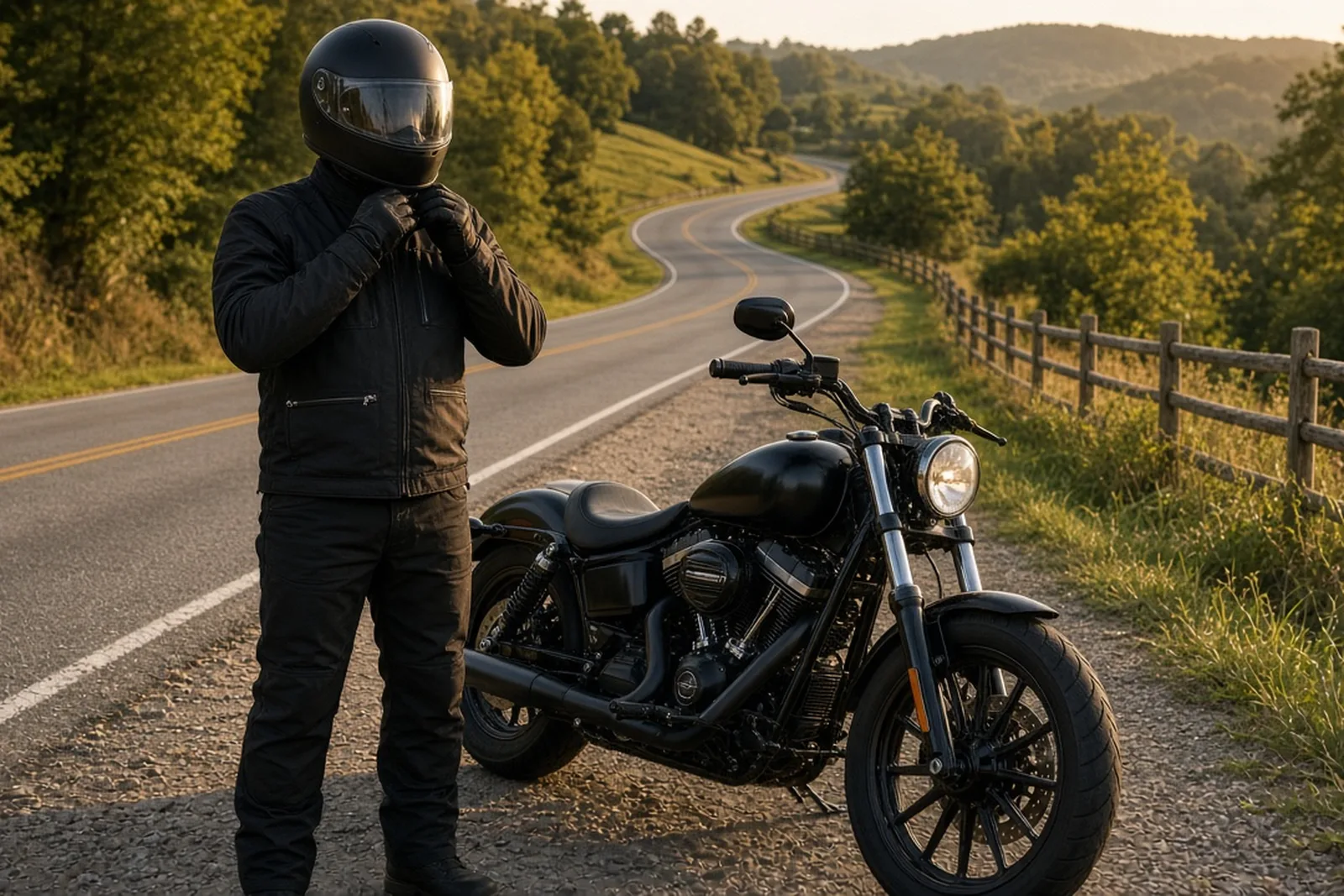
Under KRS 189.285, these riders must wear a helmet whenever the motorcycle is moving on a public highway:
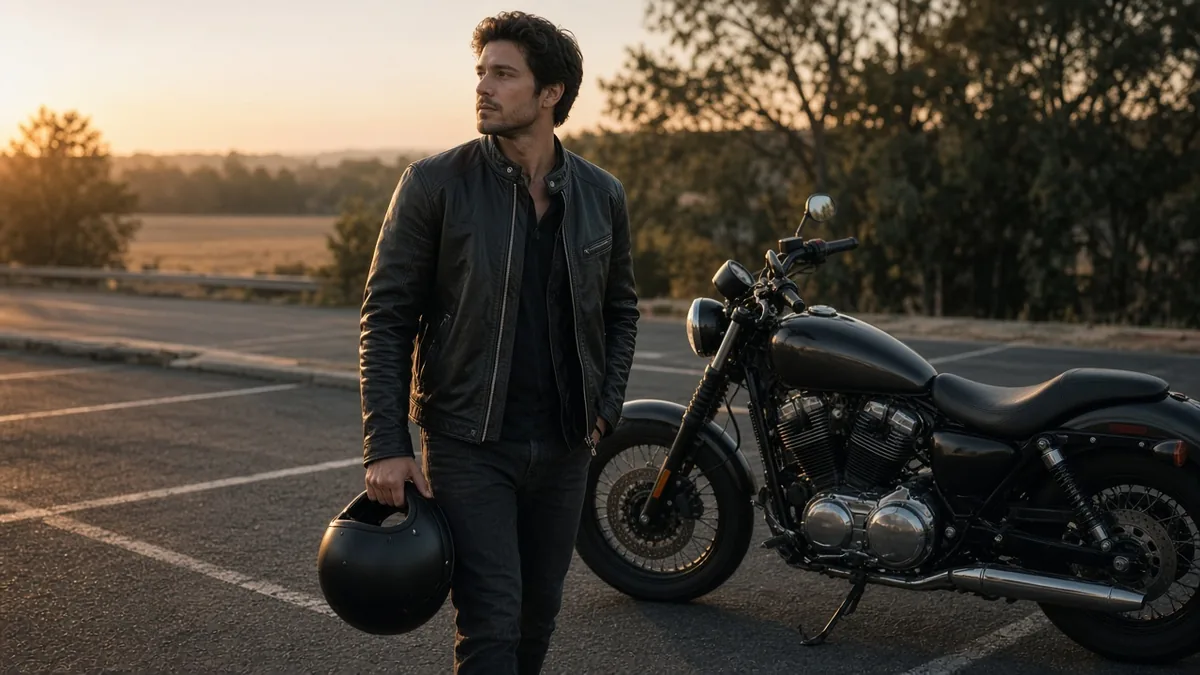
- Anyone under 21, whether driving or riding as a passenger
- Anyone riding on a motorcycle instruction permit
- Anyone who has had a motorcycle license for less than one year
Riders 21 and older who have been licensed for at least a year can choose. For more detail, see our Kentucky motorcycle helmet law guide. Eye protection is a separate requirement for operators.
Not wearing a helmet doesn’t make you at fault for the crash
A helmet doesn’t cause or prevent a crash. If a driver turned left in front of you or ran a stop sign, that driver caused the wreck whether or not you had a helmet on. See left-turn motorcycle accidents.
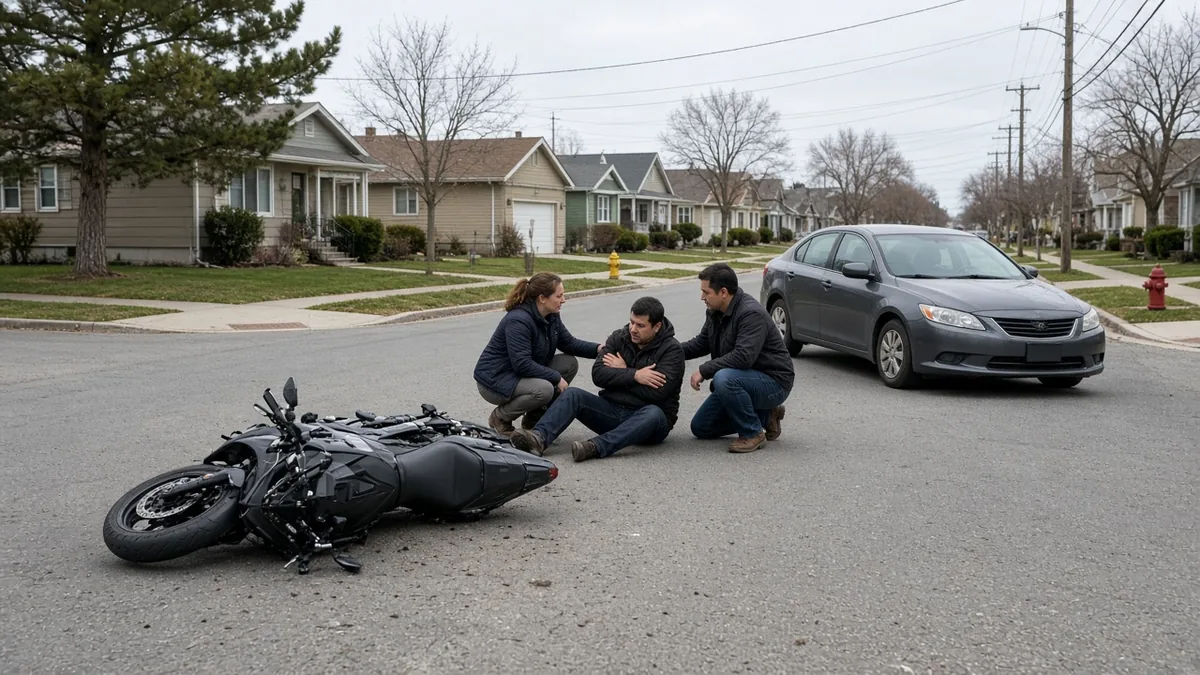
The “helmet defense” in a no helmet motorcycle claim
Kentucky uses pure comparative fault (KRS 411.182). The defense may argue that even though its driver caused the crash, your injuries would have been less serious with a helmet, so part of your damages should be cut. To make that argument stick, the defense generally needs real proof, usually a medical or biomechanical expert, that a helmet would have prevented or reduced the specific injury. Read more about how Kentucky’s pure comparative fault works.
- Injuries a helmet wouldn’t affect: broken legs, arms, pelvis, road rash, spinal injuries from twisting, and internal injuries. The helmet argument usually has little or no place here.
- Head and face injuries: this is where the fight happens. The details matter: speed, angle of impact, and whether a DOT helmet would actually have made a difference.
Riders under 21 and new riders with a no helmet motorcycle claim
If the law required you to wear a helmet and you didn’t, the defense may argue you violated a safety statute. Even then, a violation only matters if it was a substantial factor in causing the injury. It doesn’t wipe out your claim. It may give the jury a reason to assign you some share of fault for head injuries.
An example of a no helmet motorcycle claim
Say a driver pulls out and hits you. You break your leg and suffer a concussion. The jury finds the driver 100% at fault for the crash, but decides a helmet would have reduced the concussion. It could cut only the head-injury part of the damages, while the leg injury is paid in full. Under pure comparative fault, you still recover.
That is why a no helmet motorcycle claim is often still worth pursuing. The insurer has to prove its helmet argument injury by injury, and it cannot use the missing helmet to excuse the driver who caused the crash. Medical records that separate each injury, photos of the scene and the motorcycle, and a clear timeline of your treatment all help keep the helmet issue limited to the injuries it may actually touch.
Don’t make these mistakes in a no helmet motorcycle claim
- Don’t tell the adjuster “I should have been wearing a helmet.”
- Keep the helmet if you wore one. Damage to it is evidence.
- Get every injury documented, not just the obvious ones.
- Remember that PIP doesn’t cover motorcycle riders unless you bought it on your motorcycle policy. Check your coverage early.
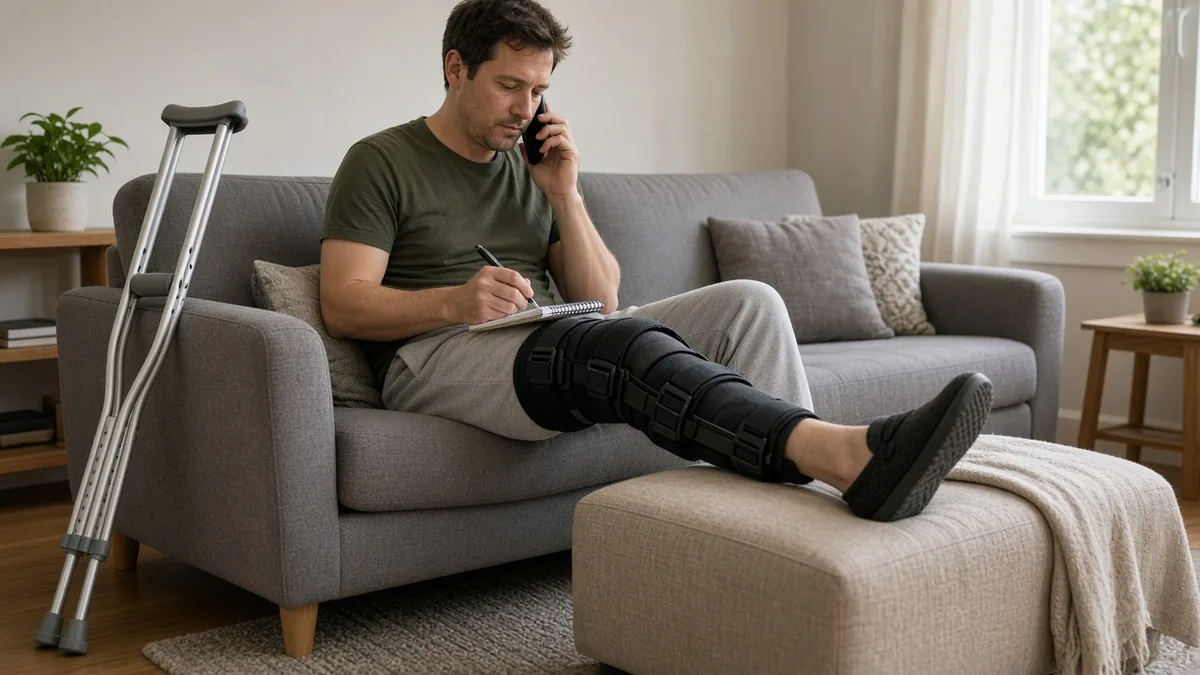
Talk with a Louisville motorcycle accident lawyer
Larry Forman has tried 50+ jury trials and won 95% of them. We take on the helmet defense in every no helmet motorcycle claim with medical evidence and crash reconstruction. Call (502) 931-6788 or visit our Louisville motorcycle accident lawyer page. Also see common motorcycle injuries, or our fatal motorcycle accident page if you lost a loved one. No fee unless we win.