Reviewed by Larry Forman, Attorney.
Key takeaways: The Kentucky Good Samaritan law protects people who help at an emergency from most negligence suits. But the Kentucky Good Samaritan law does not stop you from recovering if you are hurt while helping. Here is how the Kentucky Good Samaritan law and the rescue doctrine work together.
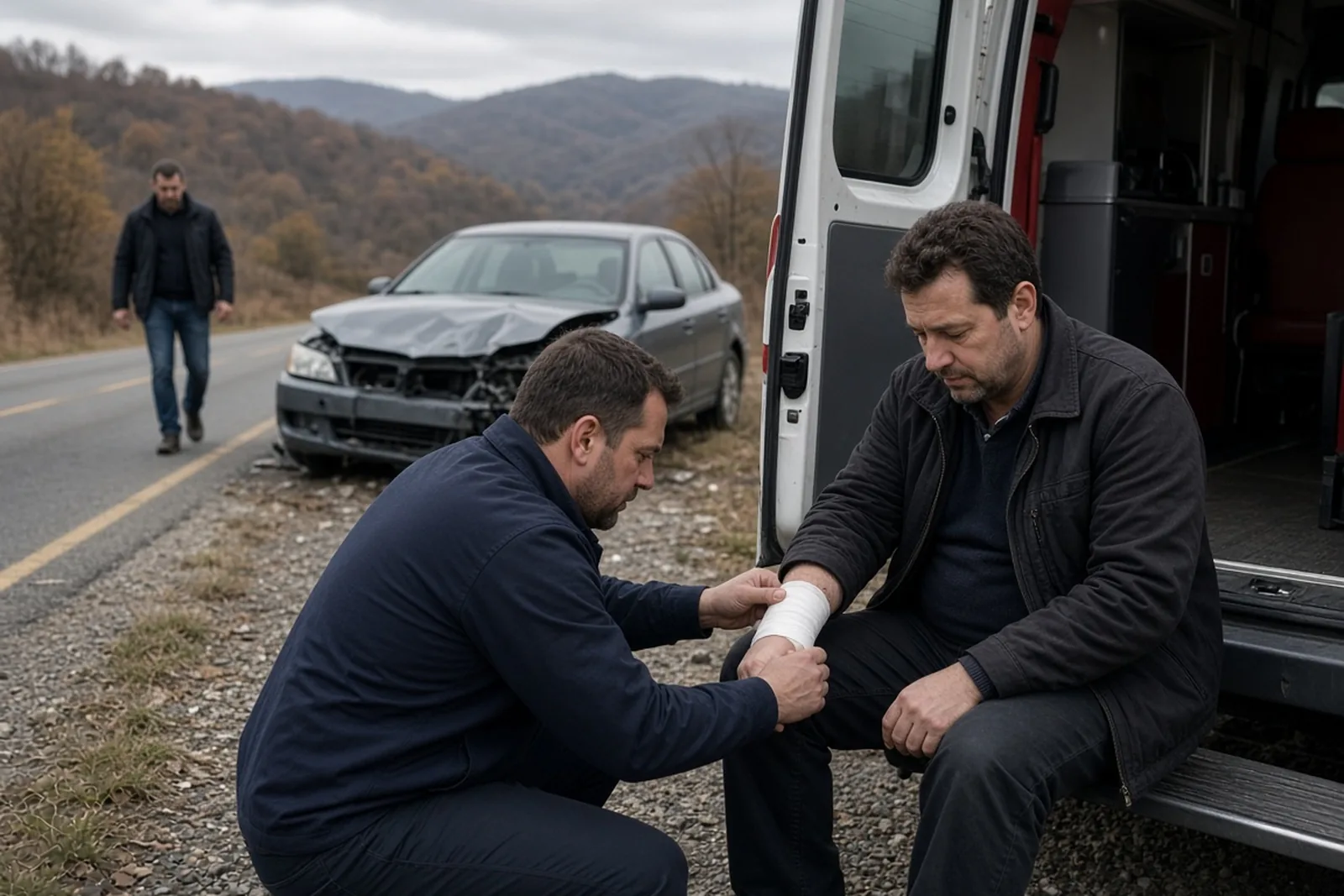
Most people who stop at a wreck just want to help. Two questions come up: can I be sued for helping, and what if I get hurt? Here is how Kentucky Good Samaritan law and the rescue doctrine answer them.
Who Kentucky Good Samaritan law protects
Kentucky’s main Good Samaritan statute, KRS 411.148, protects specific trained people who give emergency care in good faith without pay, including physicians, nurses, EMTs, people certified in CPR by the American Heart Association or Red Cross, and trained school employees. They are not liable except for willful or wanton misconduct. The statute does not list every bystander.
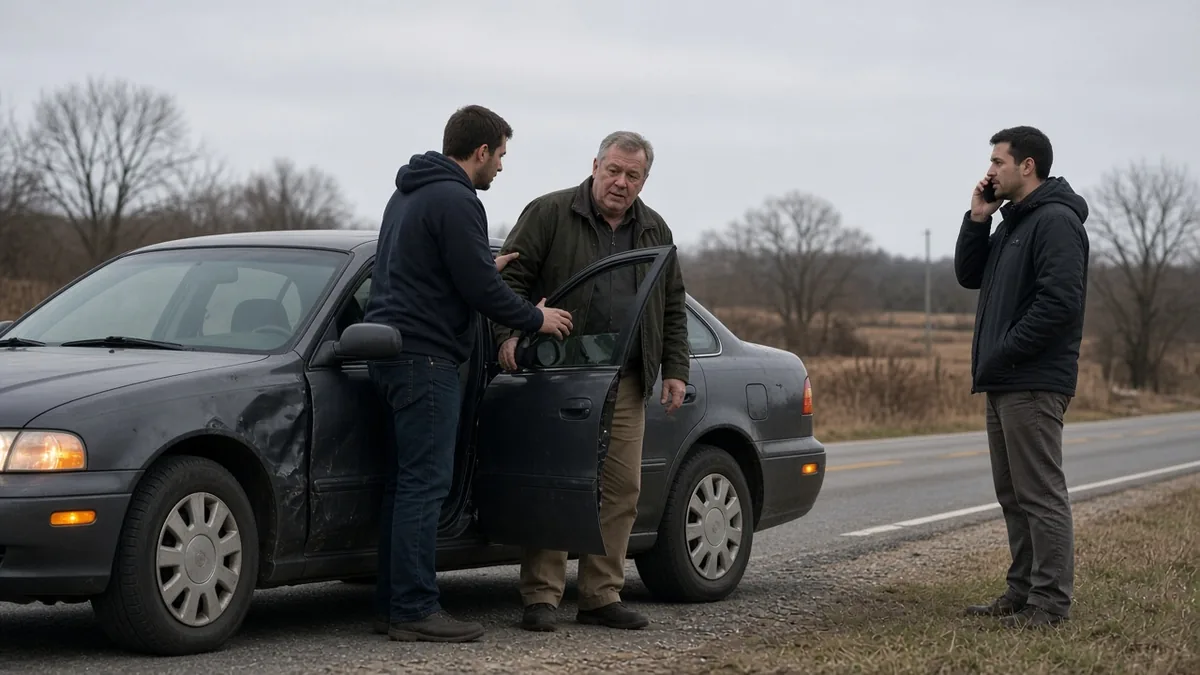
Separately, KRS 311.668 protects people who use an automated external defibrillator (AED) in good faith, though not for gross negligence. In practice, ordinary bystanders who act reasonably are rarely sued, because the law only holds people responsible for unreasonable conduct.
If you get hurt helping: the rescue doctrine
Kentucky has long recognized that “danger invites rescue.” Under the rescue doctrine, the person whose negligence created the emergency can be liable to a rescuer who is hurt trying to help (Taylor Coal Co. v. Porter’s Adm’r, 164 Ky. 523, 175 S.W. 1014 (1915)). Under Kentucky’s comparative fault law, a rescuer’s own carelessness may reduce the recovery but does not automatically bar it (Waibel v. Sprecher, 824 S.W.2d 887 (Ky. App. 1992); KRS 411.182).
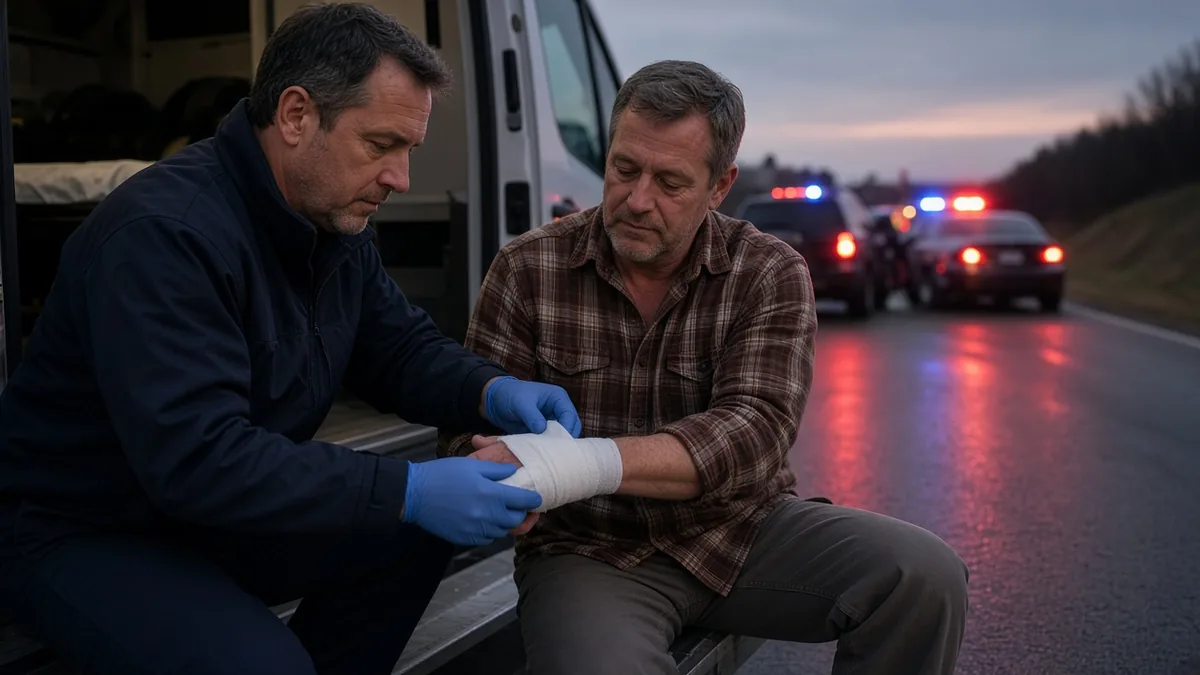
In Wooster Motor Ways v. Gonterman, No. 2023-SC-0062-DG (Ky. Oct. 24, 2024), a driver stopped on I-71 to get two loose dogs off the road, and a Kentucky State Police trooper came to help. A chain-reaction truck crash sent a box truck sliding into both of them. The Kentucky Supreme Court held that the Firefighter’s Rule, which limits claims by public employees injured by the very risk they were sent to handle, did not bar the trooper’s claim for the truck drivers’ independent negligence. The rule is narrow (Sallee v. GTE South, Inc., 839 S.W.2d 277 (Ky. 1992)), and because it applies only to public employees doing their jobs, it does not apply to ordinary citizens who stop to help.
Who pays a rescuer’s bills?
A rescuer struck by a vehicle may have PIP benefits, a claim against the at-fault driver, and possibly underinsured motorist coverage. See pedestrian accident claims and directing PIP benefits.

Deadlines
If a motor vehicle hurt you, the deadline is generally two years (KRS 304.39-230(6)). Other injury claims generally have one year (KRS 413.140(1)(a)).
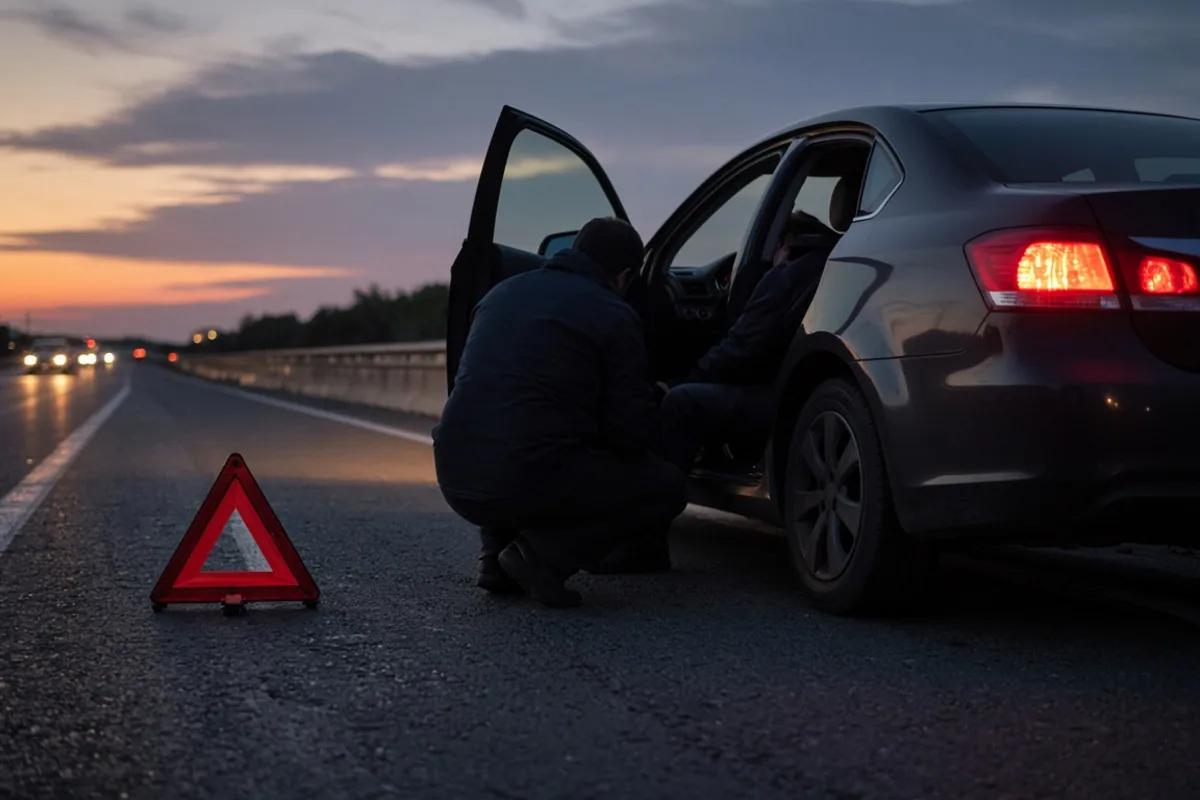
Safety first: pull well off the road, turn on hazard lights, call 911, and stay out of travel lanes when you can.
How Forman & Associates helps
We identify every at-fault party and insurance policy, including the driver whose negligence created the emergency. Larry Forman has 13 years of experience representing injured Kentuckians, and you pay no fee unless we win.
Kentucky Good Samaritan law FAQ
Does Kentucky have a Good Samaritan law?
Yes. KRS 411.148 protects listed trained people, such as doctors, nurses, EMTs, and certified CPR providers, who give emergency care in good faith without pay, except for willful or wanton misconduct. KRS 311.668 covers good-faith AED use.
Can I sue if I was hurt helping at a car accident?
Often yes. Under the rescue doctrine, the person whose negligence created the danger may be liable to an injured rescuer, with any fault of your own reducing the recovery.
Does the Firefighter’s Rule bar my claim as a bystander?
Generally no. The rule is narrow and aimed at professional responders, It applies only to public employees such as police and firefighters, and in Wooster Motor Ways v. Gonterman the Kentucky Supreme Court held that even a trooper could sue over other drivers’ independent negligence.
How long do I have to file?
Generally two years if a motor vehicle injured you (KRS 304.39-230(6)), and one year for most other injuries (KRS 413.140(1)(a)).
Talk to a Louisville injury lawyer
Hurt while helping someone? You may have a claim. Get a free case evaluation or call (502) 931-6788. Our office is at 1139 S. 4th St., Louisville.
This post is general information about Kentucky law, not legal advice. Every case is different.