If your car was repaired after a Kentucky car accident, the repair bill may not tell the whole story. A properly fixed vehicle can still be worth less than an identical car with no accident history, and that gap is what a diminished value claim in Kentucky lets owners pursue from the at-fault driver’s insurer. This guide explains diminished value in plain terms for beginners.
You will learn what diminished value means for a repaired car, the difference between inherent and repair-related loss, who can claim it, how to build an appraisal, how to file a demand and answer insurer pushback, how the claim fits with an injury claim, and the Kentucky deadlines that can decide your recovery. It also explains why skilled legal representation can change the conversation when an insurer disputes what your car lost. Reviewed by Larry Forman, Attorney. If you were also hurt in the crash, talk to a Louisville car accident lawyer. No fee unless we win. Call (502) 931-6788 for a free case review.
What Diminished Value Means for a Repaired Car in Kentucky
Diminished value is the gap between what your car was worth immediately before the crash and what it is worth after repairs are finished, even when the shop did the work correctly. Diminished value: when a repaired car is worth less occurs because repairs restore function and appearance but do not erase the collision from a vehicle history report. A future buyer, dealer, or wholesale buyer still sees a wrecked car.
In Kentucky, diminished value is generally pursued as part of a third-party property damage claim against the at-fault driver, not as a supplement from your own collision coverage. Keep two buckets separate: the cost to fix the car, paid as property damage, and the value the car lost because it was wrecked, the diminished value claim. Insurers routinely pay the first and resist the second. Understanding inherent diminished value, the stigma that survives a proper repair, is the next step in building a claim.
Inherent Diminished Value: The Stigma That Survives a Good Repair
Inherent diminished value is the loss that remains after a competent, complete repair. The market simply prices a car with a reported accident below an identical accident-free car, even when the work was flawless.
You do not have to prove the body shop did poor work. You prove the market discount, using comparable sales and a written appraisal.
Buyers and dealers commonly treat a reported collision as a pricing factor, though the size of that discount varies by vehicle and market.
Because this is a measurable property loss, it helps to understand economic vs. non-economic damages in car wreck claims.
Inherent loss can persist long after the repair is complete.
Repair-Related Diminished Value: When the Fix Falls Short
Not every repaired car gets a competent repair. Repair-related diminished value is the additional loss when the work itself falls short: misaligned panels, mismatched paint, aftermarket parts standing in for original equipment, or frame damage never fully resolved.
Document this category with a post-repair inspection, dated photographs, and a shop’s written opinion that the work fails to meet manufacturer or industry standards. That written record does the arguing for you.
The two categories often overlap. A car with sloppy repairs carries both the market stigma of the collision and a further discount for the bad work.
Separate them anyway. Insurers attack inherent stigma and repair quality on different grounds, and a demand that blends the two into one number invites a blanket denial. Documentation decides these fights.
Diminished Value Claim in Kentucky: Who Can Claim
A substandard repair adds to the loss, but your right to claim diminished value rests on a different question: who owned the car, and who caused the wreck.
Rules for first-party diminished value recovery vary by state, so do not assume your own insurer owes it.
Kentucky’s pure comparative fault rule (KRS 411.182) reduces a claimant’s recovery in proportion to their share of blame for the crash, but it does not bar recovery.
A vehicle that retains meaningful market value after repairs is better positioned to support a diminished value claim. Ownership and use matter too: a clean title in your name, a car you planned to keep or sell, and complete repair records all help show the loss landed on you personally.
Those records also help you judge what a fair offer should account for when the adjuster responds.
How to Build a Diminished Value Appraisal
Once you confirm you qualify, treat the claim as an evidence problem. A number a claims adjuster or jury will believe has to be built before you argue. Work through five steps.
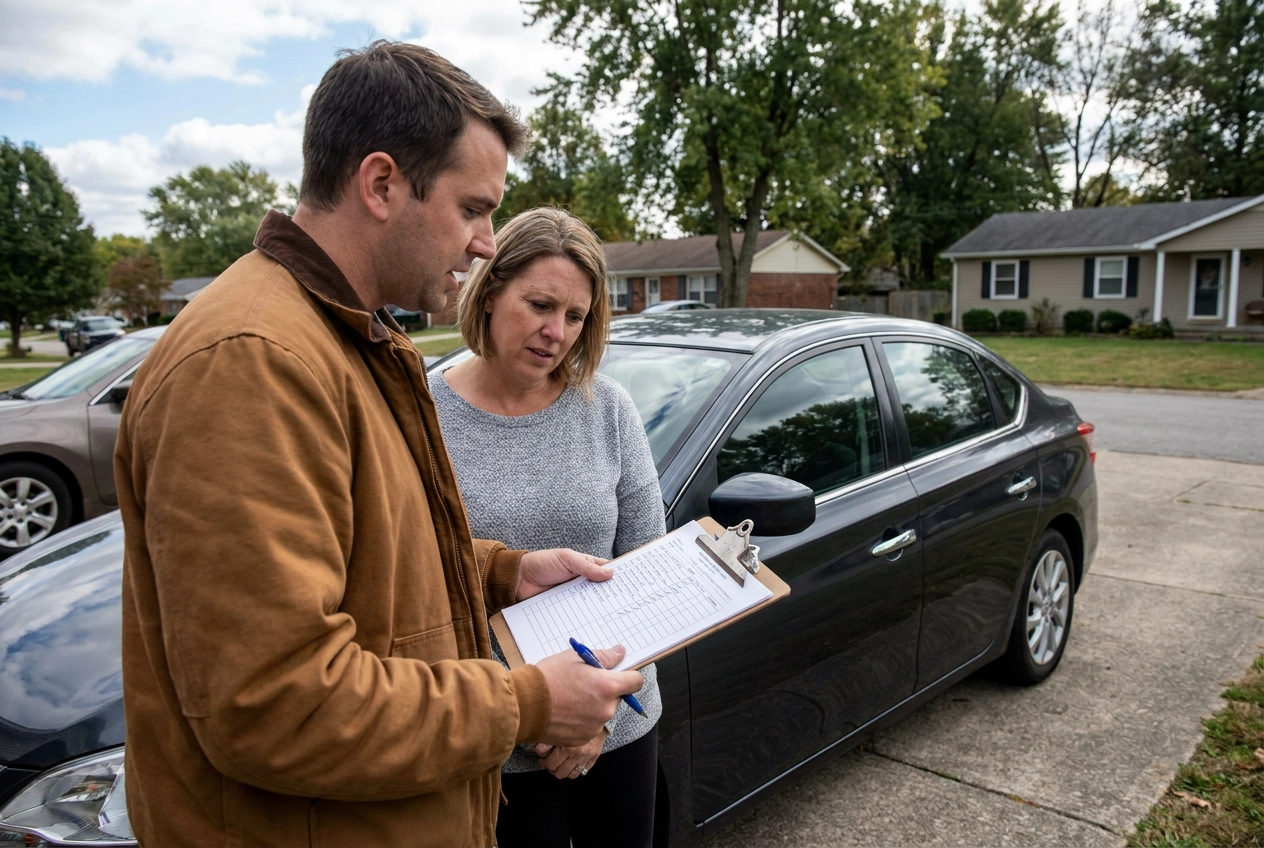
- Anchor pre-accident value. Gather comparable sales in your local market, dealer quotes, industry valuation guides, and any recent written offer or appraisal for your exact vehicle. These show what your car was worth the day before the crash.
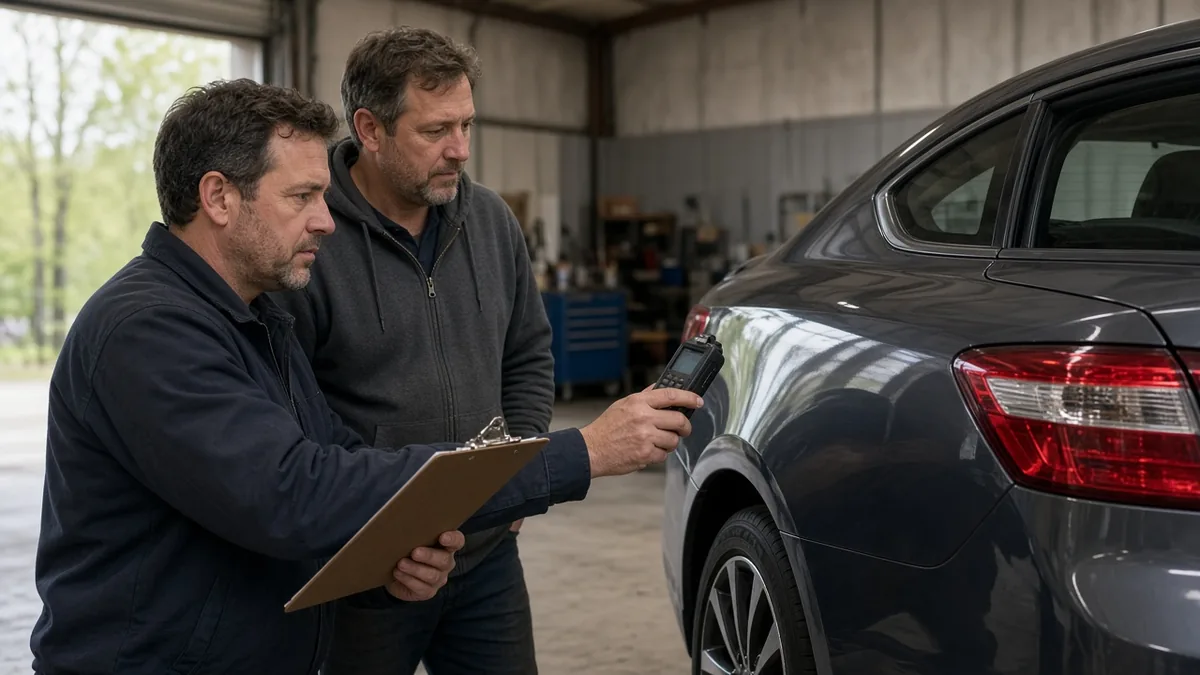
- Order an independent post-repair appraisal. The report should state its methodology, use real market comparables, and give a dollar gap between pre-accident and post-repair value. Ask the appraiser about credentials, experience, and valuation method before hiring. Confirm the report can withstand litigation.
- Support the numbers with records. Attach repair invoices, pre-repair and post-repair photographs, the vehicle history report, and any post-repair inspection that documents remaining defects. Preserve the car until the inspection and photos are complete.
- Keep every estimate and supplement. Original estimate, supplements, and change orders show the full scope of damage. That paper trail separates a documented claim from an asking price.
- Review before you send. Make sure the appraisal math matches the records, then submit a clean package.
Filing the Demand and Answering Insurer Pushback
Once your appraisal is complete, send a written demand to the at-fault driver’s insurer. Identify the claim as diminished value, state your dollar figure, and attach the appraisal plus repair records, photographs, and the vehicle history report. Sending a complete package early, as outlined in our guide to the first 24 hours after a car accident, keeps the insurer from shaping the narrative.

Expect pushback. Insurers argue diminished value is speculative, a repaired car has no remaining loss, and your figure is a negotiating posture. Betterment is another defense: new parts supposedly left your car better than before. Rebut it with market comparables showing a wrecked car sells for less than an identical clean one.
Read every document before signing. Depending on its scope, a property damage release may affect your ability to pursue additional claims — review the language carefully with an attorney before signing.
The first denial is not final. Escalate with the documented appraisal, a clear written demand, and, when warranted, a lawsuit that puts the question in front of a jury. Insurers decide what to pay based on how much pressure they expect. An organized file showing a willingness to litigate draws a different response than a phone call and a promise of records later.
How a Diminished Value Claim Fits With an Injury Claim
The property claim and the injury claim are distinct and do not depend on each other. Each runs on its own track.
As noted in the demand section, review the release language carefully before signing anything that covers the whole crash.
If the case enters litigation, pursue the diminished value figure alongside the injury claim so an insurer cannot split them and shortchange one. Keep rental costs, towing, and loss of use receipts in the same file. Insurers bundle those with property damage, and a complete file makes the diminished value number harder to isolate and discount.
Next, the deadlines, which differ for property and injury claims.
Kentucky Deadlines That Can Decide Your Claim
Once your injury and property claims are moving on separate tracks, the calendar becomes the quiet risk. Diminished value is property damage. Kentucky generally provides two years from the injury to personal property under KRS 413.125. Do not assume PIP payments extend this property-damage deadline. A related bodily-injury claim may have a different deadline under KRS 304.39-230(6). Have an attorney confirm both dates promptly.
Your property damage claim, including diminished value, runs on a different deadline than your injury claim, so do not assume one date covers both.
Evidence becomes harder to preserve as time passes, which is why acting early matters. Related timing questions, including deadlines after a crash, deserve the same urgency.
Treat any diminished value claim in Kentucky as urgent from day one: get the appraisal while the repair is fresh and the market data still reflects your car’s condition. Waiting only makes the number harder to prove.
Why a Trial Lawyer Changes the Diminished Value Conversation
Deadlines decide cases, but leverage decides payouts. Diminished value claims are won with evidence and documented pressure, and insurers respond differently when the file arrives from an attorney who actually litigates. Larry Forman has tried 50+ jury trials and won 95% of them.
An attorney also coordinates the pieces that decide these claims: the appraisal, the written demand, the release language, and the filing deadlines. That coordination keeps the property claim from being buried under the injury claim. If negotiations stall, the same file becomes a petition ready for court, not a claim that has to be rebuilt from scratch.
You pay nothing up front. No fee unless we win.

Getting Paid for What Your Car Lost
Leverage only pays when the file is built. Follow these steps in order.
1. Order the independent appraisal first. Repair records stay accessible while the shop still has them, and comparable sales data still reflects your vehicle’s pre-crash condition. Waiting months can cost you both.
2. Prove both values with evidence. Support both values with evidence — comparable sales and valuation guides for pre-accident worth, and the independent appraisal report for post-repair value. Emotion is not a number; a market comparison is.
3. Read every release before signing. Depending on its scope, a release of all claims may affect your diminished value recovery — have an attorney review the language before you sign.
4. Track the property-damage deadline separately. Diminished value is property damage, and KRS 413.125 generally allows two years from the injury to the property. Do not assume PIP payments extend it, and confirm that date and any injury-claim deadline with an attorney.
5. Do not let property damage ride on the injury schedule. The two claims move at different speeds. The slower one can run out the faster one.
No fee unless we win. Call (502) 931-6788 for a free case review.
Reviewed by Larry Forman, Attorney.
Conclusion
After a Kentucky car accident, diminished value is not a theory you hope an insurer will accept. It is a documented property loss that can survive a good repair, and it often has two parts: inherent stigma and repair-related shortfalls. The strongest claims start early, with an independent appraisal and careful attention to deadlines. Build your diminished value claim file early, answer insurer pushback with evidence, and protect the value your car lost. For a free case review, call Larry Forman, Attorney, at (502) 931-6788. No fee unless we win.