
Reviewed by Larry Forman, Attorney.
The bills start arriving before you’ve even had time to heal. The at-fault driver’s insurer won’t pay them as they come in. In Kentucky, your own coverage pays first, and the at-fault driver’s insurance usually pays at the end, as part of a settlement or verdict. Here’s how it works.
Key takeaways
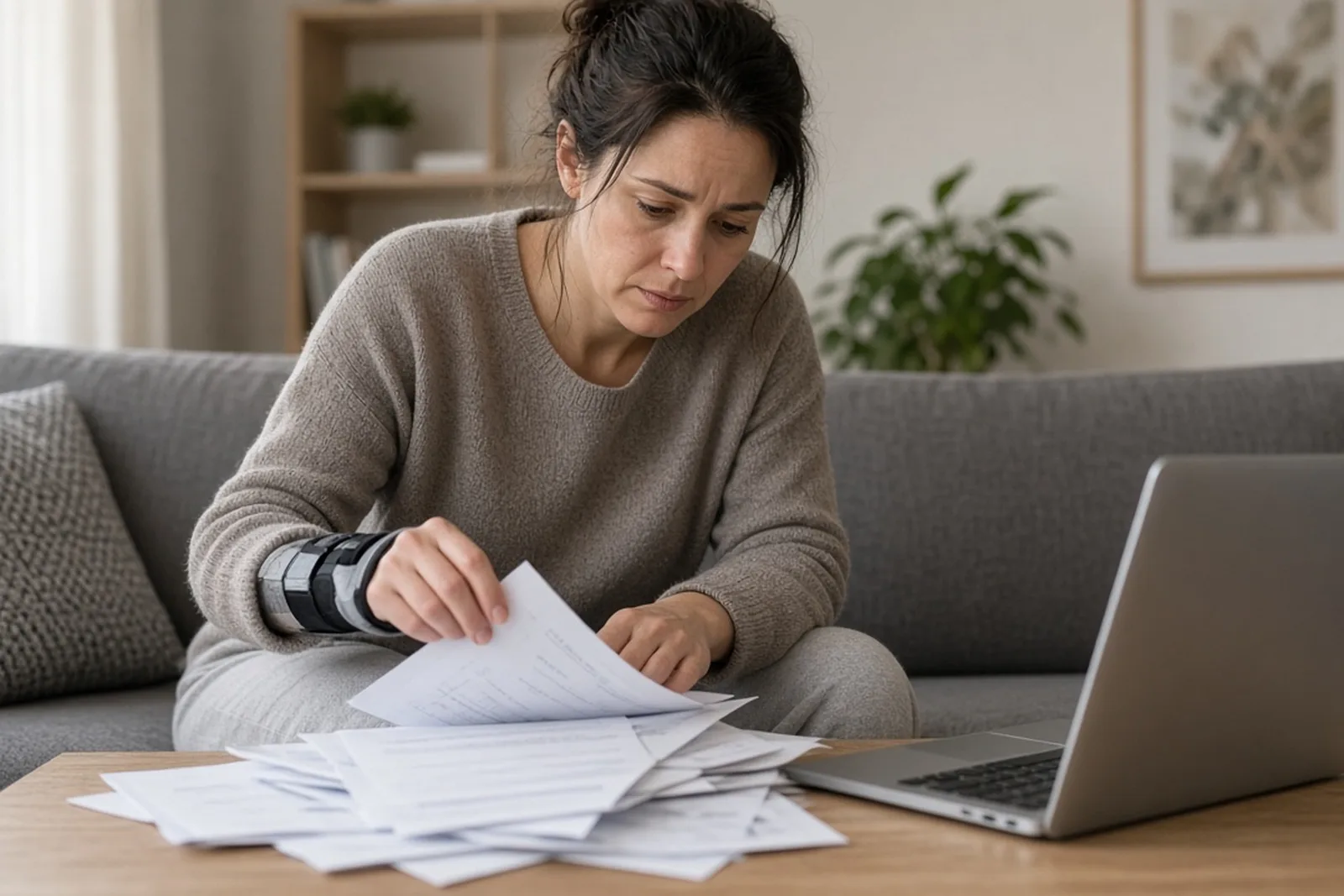
Unless you rejected the no-fault limits in writing, Kentucky PIP pays up to $10,000 per person for reasonable medical expenses, work loss and certain other losses, regardless of who caused the crash (KRS 304.39-020). PIP comes from the policy on the vehicle you were in, or your own policy, depending on the situation. Pedestrians and passengers have PIP too. Learn more in how Kentucky PIP works.
Kentucky lets you direct how PIP is spent, for example toward medical bills or lost wages first. See directing your PIP benefits. PIP insurers must pay within 30 days of reasonable proof of loss, or owe interest (KRS 304.39-210).
Once PIP is used up, your health insurance should pay covered care, subject to your deductible and copays. Using health insurance often means the provider must accept the plan’s negotiated rate, which can lower the total charged. That can increase what you keep from a settlement. See how health insurance paying first can increase your net recovery.
Some providers will treat you under a letter of protection and wait to be paid from the settlement. See what a letter of protection is. Hospitals may also have financial assistance programs. Our guide for people injured without insurance covers more options.
The at-fault driver’s liability insurer pays what the driver is legally responsible for, but usually in one lump sum at the end of the claim, not bill by bill. That payment covers medical expenses not paid by PIP, future care, lost income beyond PIP, and pain and suffering. If the driver’s coverage is too low, your underinsured motorist coverage may help.
Health plans, Medicare, Medicaid and sometimes PIP insurers can claim reimbursement from your settlement. These claims are often negotiable. Read subrogation in Kentucky injury settlements and medical liens in Kentucky settlements.
Give both. PIP usually pays first, then health insurance. Giving the provider both prevents bills from going unpaid or to collections.
Usually not. Liability insurers typically pay once, at settlement. Your own PIP and health coverage carry the bills until then.
Tell your lawyer right away. We can often contact the provider, confirm billing went to the right insurer, and ask them to hold collection while the claim is pending.
It depends on the plan. Many plans have reimbursement rights, and federal ERISA self-funded plans can be especially strict. These amounts are often reduced through negotiation.
We help clients get PIP and health insurance paying correctly while we build the injury claim.
Get a free case evaluation or call 502-931-6788.
This page is general information about Kentucky law as of October 2026, not legal advice. Every case is different.