
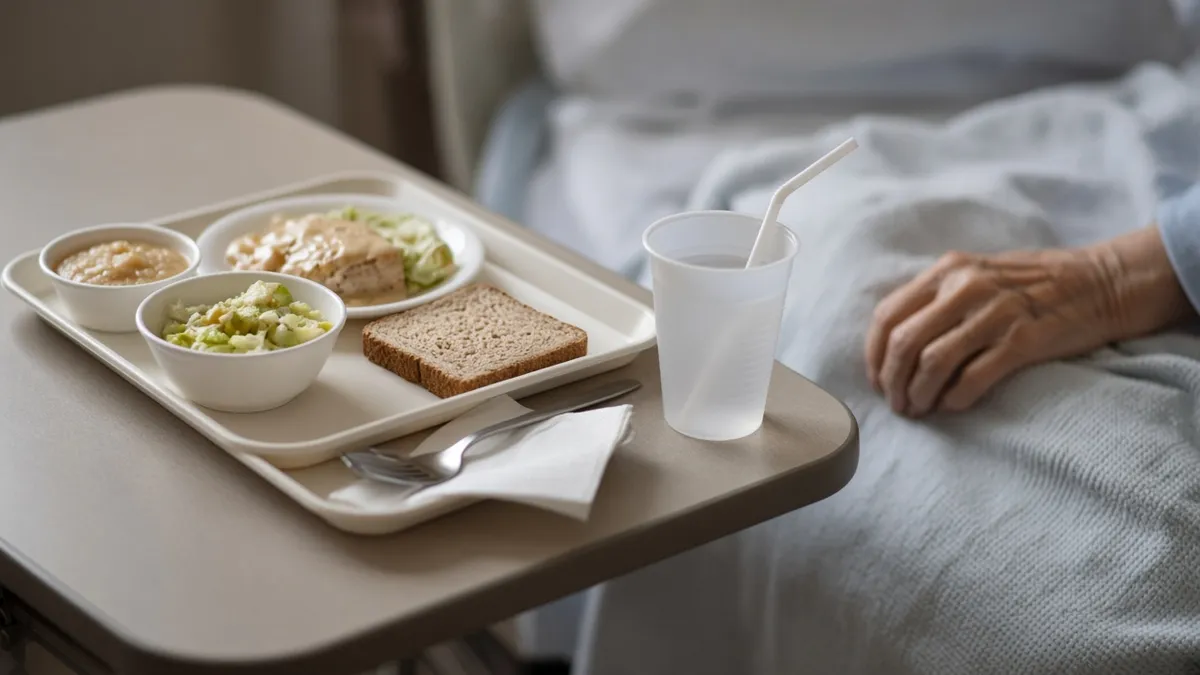
Nursing home malnutrition and dehydration are quiet forms of neglect. A resident who can't feed themselves, who has trouble swallowing, or who needs reminders to drink depends completely on staff. When the facility is short-staffed, meal trays sit untouched, water pitchers are out of reach and the weight loss goes unnoticed until the resident lands in the hospital.
If your loved one lost a lot of weight, became dehydrated or developed problems tied to poor nutrition in a Kentucky nursing home, the facility may be legally responsible.
Key takeaways
Under 42 CFR 483.25(g), a certified facility must make sure each resident keeps acceptable nutrition levels, such as body weight and protein, unless the resident's condition makes that impossible, and must provide enough fluid to keep the resident hydrated. That means assessing each resident, setting a nutrition plan, helping residents eat when they need it and tracking weight and intake.
Kentucky residents also have rights under KRS 216.515, including the right to adequate and appropriate care, and can sue a facility that violates them.
The strongest evidence is usually in the facility's own records: monthly or weekly weights, meal and fluid intake sheets, dietitian notes, the care plan and lab results such as albumin or sodium levels. Hospital records at admission often show dehydration or malnutrition plainly. Inspection history on Medicare Care Compare can show whether the facility was cited for nutrition or staffing problems before.
For what to do right away, see what to do if you suspect nursing home neglect.
Most nursing home injury claims in Kentucky must be filed within one year (KRS 413.140(1)(a)). If neglect contributed to a death, see nursing home wrongful death and our Kentucky statute of limitations guide.
Not always, but unplanned weight loss is a red flag. Facilities must track weight and act on significant loss. If they didn't, that can be neglect.
Dry mouth, dark urine, confusion, dizziness, low blood pressure and repeated UTIs. Ask the facility for fluid intake records.
Weight logs, meal and fluid intake sheets, dietitian notes, the care plan, lab results and hospital admission records.
Usually one year from the injury under KRS 413.140(1)(a). Death claims follow different timing rules.
We'll pull the weight and intake records and find out what the facility knew. Free, confidential case review. Get a free case evaluation or call (502) 931-6788. No fee unless we win.
This page is general information about Kentucky law as of October 2026, not legal advice.