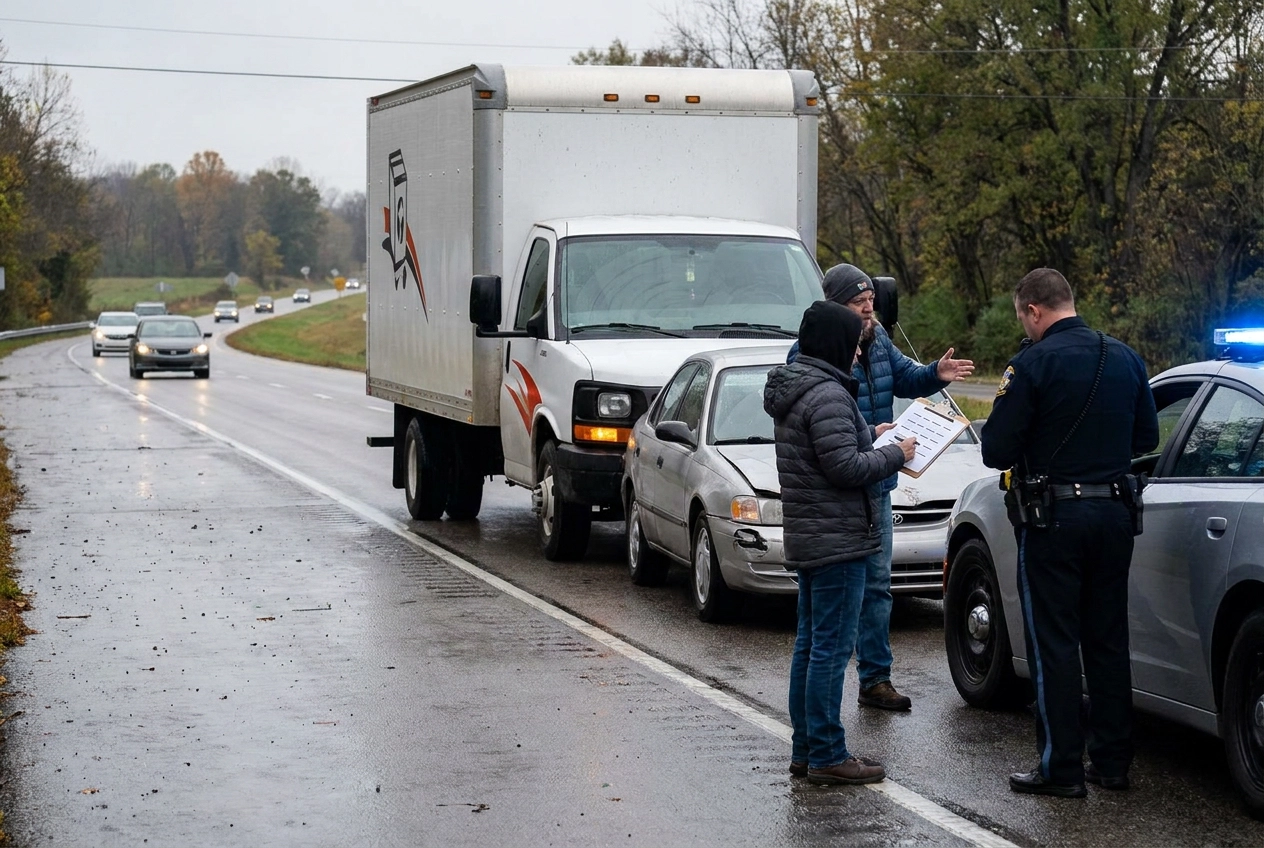
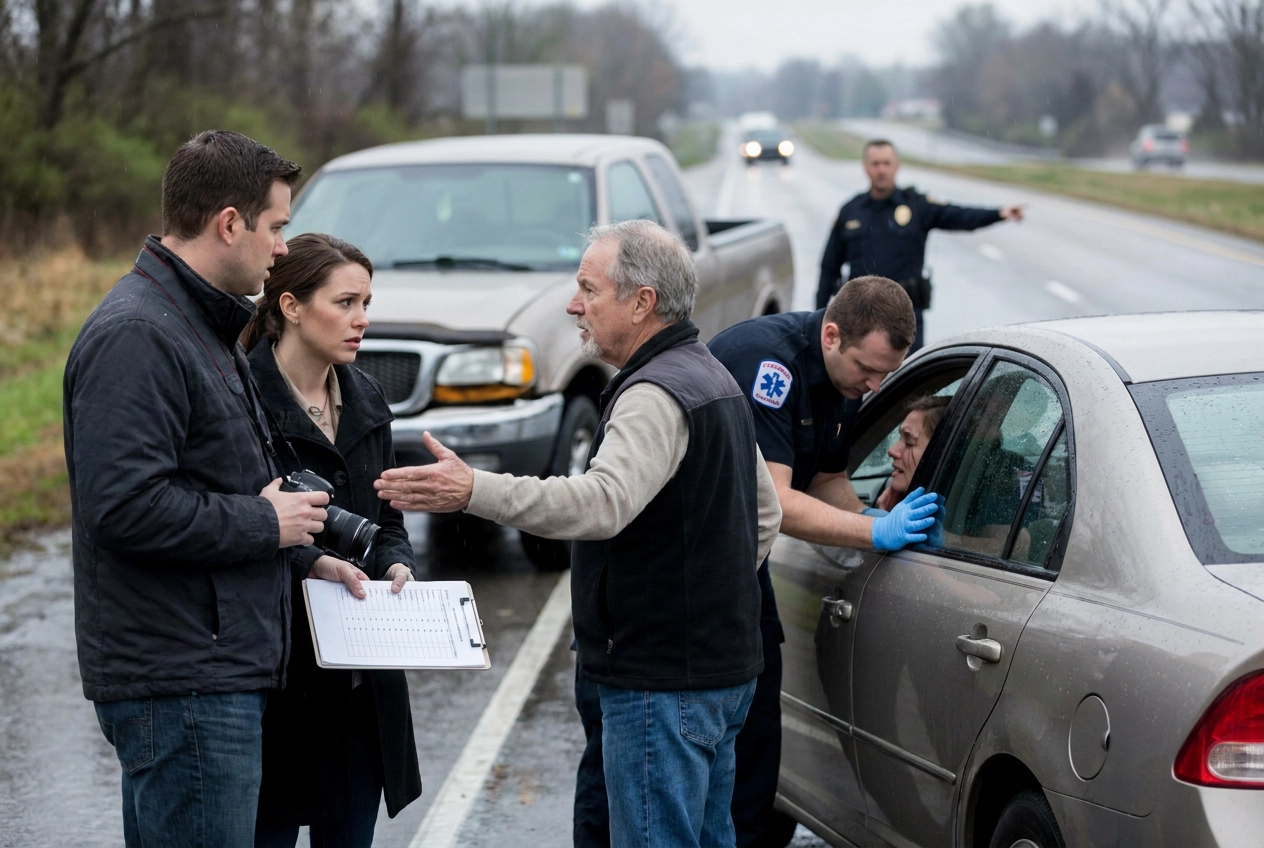
A driver slams into you, then blames a seizure, blackout, or heart issue. Does that excuse the crash? In Kentucky, not automatically. When someone raises a sudden medical emergency car accident defense, the focus shifts to what the driver knew, what they ignored, and what records prove. This guide walks through how the defense works, what courts look at, and why foreseeability often decides these cases. You will learn how prior warning signs and medication records create a paper trail, how insurers use the defense before you file suit, and what evidence to collect and preserve right now.
It also covers Kentucky PIP and uninsured motorist options, plus the deadlines that can end a crash claim. Reviewed by Larry Forman, Attorney. No fee unless we win. Call (502) 931-6788 for a free case review.
What the Sudden Medical Emergency Car Accident Defense Says
The sudden emergency defense is a legal argument by the at-fault driver that a medical event, such as a seizure, blackout, cardiac episode or diabetic crisis, caused a complete loss of control of the vehicle. It is not an automatic excuse, and it does not erase your injuries. It only attempts to explain why the driver could not control the car.
The defense must also be distinguished from situations that excuse no one. Unlike a genuine medical emergency, choices like driving while distracted or while already feeling unwell are not protected by the doctrine. Kentucky allocates damages by each party’s percentage of fault under KRS 411.182, so even a driver with a partial excuse can still owe you a proportional share, and your own share of fault reduces your recovery proportionally rather than eliminating it.
It often arrives alongside other fault-shifting arguments, such as blaming the weather or road conditions.
What Courts Look at When a Driver Claims a Medical Emergency
A driver who raises this defense generally has to show the following:
1. Truly sudden onset. The medical event must have struck without advance warning the driver could perceive. A condition that builds over hours, or symptoms the driver felt and ignored, is not sudden.
2. Complete loss of control. The event must have caused a total loss of vehicle control. That is a higher bar than partial impairment or a moment of inattention. Drowsiness and distraction do not qualify.
3. Not reasonably foreseeable. Based on what the driver knew about their own health and what medical providers told them, the event could not have been anticipated.
The driver who raises the defense has to support it with evidence. Proof that the driver did something beforehand that made the emergency more likely, such as speeding or ignoring symptoms, can defeat it.
Whether partial symptoms defeat the defense depends on the specific facts and should be assessed with an attorney. Document those facts in your claim file. If a hospital’s errors made your crash injuries worse, they may become part of your injury claim.
Foreseeability often decides a sudden medical emergency car accident case.
Why Foreseeability Is the Element That Decides These Cases
Foreseeability is not an abstraction. It turns on what the driver knew before turning the key, not on the account given after impact.
Three patterns routinely defeat the defense:
- Known seizure history, medication not taken as directed. A driver who has had seizures before and skips prescribed medication cannot credibly call the next one sudden.
- Cardiac condition and a no-driving instruction. When a treating physician told the driver not to drive, getting behind the wheel is a known risk, not an unexpected event.
- Conditions with prior warning signs. Where the driver had experienced similar episodes and continued driving, the defense is generally weakened.
The defense generally breaks on the same fact pattern: a prior warning plus a decision to drive anyway. Advice not to drive, similar prior episodes, and continuing to drive while already feeling ill are the facts that tend to sink the defense.
That is why medical history, pharmacy fill records and physician instructions are among the most important evidence in these cases.

Prior Warnings and Medication Records: The Paper Trail
If foreseeability decides these cases, the records are what prove it. Request these categories of documents early.
- Pharmacy fill records. Refill dates show whether prescriptions were actually filled on schedule, which tests the driver’s claim that medication was taken as prescribed.
- Prescribing physician notes and treatment history. These can document driving restrictions, required seizure-free waiting periods, and explicit warnings against operating a vehicle.
- Emergency room and EMS records from the day of the crash. They capture reported symptoms and the timeline before anyone had a reason to shape the story, which helps test whether the onset was genuinely sudden.
- The driver’s own statements. What the driver told police, EMS, and insurers often conflicts with the medical narrative that surfaces later in the claim. Those inconsistencies are evidence.
These are general categories of evidence to gather. Your position turns on your specific facts, so begin by preserving evidence and keeping a record of your reports, because documentation can vanish.
How Insurers Use the Defense Before You Ever File Suit
Once you start pulling those records, expect the other driver’s insurer to move first. A recorded statement taken days after the crash can lock in your version of events before you have seen a single medical record or the police report. Under Kentucky law, an insurer cannot refuse payment without a reasonable investigation, and it must promptly explain the basis for a denial (KRS 304.12-230). Even so, a denial letter citing a sudden medical emergency car accident defense may rest on nothing more than the at-fault driver’s own account, with no records produced to support it.
Adjusters often push a fast settlement while the medical story is unverified and your treatment, and its cost, are still unknown. Requesting the at-fault driver’s records and the crash report helps you build the evidence you need to challenge the defense. Before you give a recorded statement or sign a release, understand what coverage is available and what your claim is actually worth. Treat early insurer contact as evidence gathering for them, not help for you.
Evidence to Collect and Preserve Right Now
Once you refuse to let the insurer lock in the story, move fast on the evidence that still exists.
Get the police crash report and note whether the officer issued any citation, because a citation can undercut the medical account. Collect names and contact information for every witness at the scene.
Ask about dash camera and body camera footage and any nearby business or traffic surveillance before the recording system overwrites it. An accident reconstruction expert can use this evidence to rebuild how the crash happened.
An event data recorder may store pre-impact data such as speed and braking, which can test the claim of a sudden total loss of control. Confirm what the specific vehicle recorded. Preserve EMS run reports and hospital records for both the driver’s reported condition and your injuries; those timelines are created before anyone has reason to shape them.
Send written preservation requests early to the driver, the insurer and third-party custodians. Video gets overwritten; vehicles get repaired, released or sold. With that evidence secured, the next question is which coverage pays while fault is disputed.
Your Kentucky Coverage Options: PIP and Uninsured Motorist Claims
Once you have sent preservation requests, turn to the coverage that pays while fault is still disputed.
Kentucky requires $10,000 in personal injury protection (PIP). PIP pays regardless of fault, so it is the first money available even if the other driver’s sudden medical emergency car accident defense is accepted. Sorting out who pays your bills while liability is contested keeps treatment from stalling.
Uninsured and underinsured motorist coverage responds when the at-fault driver has no insurance or too little, and it can also respond in disputed-fault situations depending on your policy language.
Collect the declarations page for every policy that might apply, including household policies and policies on other vehicles, so stacking and available limits can be evaluated properly.
Report the crash to your own insurer promptly. Policies impose notice and cooperation requirements, and late notice may affect your UM claim, so review your policy language promptly.
Deadlines That Can End a Kentucky Crash Claim
Your policy’s notice requirements are only the first clock. Kentucky’s filing deadlines are set by statute and cannot be negotiated after they pass.
Kentucky’s general personal injury deadline is one year (KRS 413.140). For motor-vehicle claims, KRS 304.39-230 allows two years from the date of the injury or from the last PIP payment, whichever is later. That can extend the window past the one-year mark.
The controlling date depends on your claim type, your PIP posture and whether benefits are still being paid. Confirm the deadline that applies to your facts instead of assuming one number covers every claim.
Missing the deadline is usually fatal. Once the deadline has passed, recovery options are typically foreclosed regardless of how strong your facts are. With the calendar settled, the priority shifts to acting before evidence disappears.
What to Do Next
Once you know which deadline applies, act while the evidence still exists. Prior warnings and medication records are where the defense usually fails, so pin down the driver’s medical history early.
The steps covered above, opening your PIP claim, notifying your insurer promptly, and sending preservation requests, remain time-sensitive; act on each within days of the crash.
Do not give a recorded statement or sign a release before you understand your coverage options and the deadline that governs your motor-vehicle claim. A quick settlement offer may look generous before the driver’s medical records surface.
Larry Forman has tried 50+ jury trials and won 95% of them. No fee unless we win.
Reviewed by Larry Forman, Attorney.
Call (502) 931-6788 for a free case review.
Conclusion
A sudden medical emergency car accident defense does not automatically defeat your Kentucky crash claim, but the window to build your case is short. The goal is to show the emergency was foreseeable and that the driver’s prior conduct made the crash a predictable outcome. Kentucky’s deadlines are strict, so delay can permanently end your case. Call Larry Forman at (502) 931-6788 for a free case review. Larry Forman has tried 50+ jury trials and won 95% of them, and there is no fee unless we win.