Reviewed by Larry Forman, Attorney.
Key takeaways: Allstate v. Jarnigan is a Kentucky PIP subrogation ruling, and it can change how much of your settlement your insurer tries to take back. Below, we explain what Allstate v. Jarnigan held, who it affects, and what to ask before you sign a release.
On October 22, 2026, the Kentucky Supreme Court decided Allstate v. Jarnigan, No. 2024-SC-0451-DG, a case about what happens when the at-fault driver’s insurer pays back your PIP carrier before you are fully compensated. The short version of Allstate v. Jarnigan: that early payment cannot shrink the policy limits available to you. (The opinion is marked “to be published,” so it is not final until the rehearing period ends.)
The problem: PIP subrogation and limited policy limits
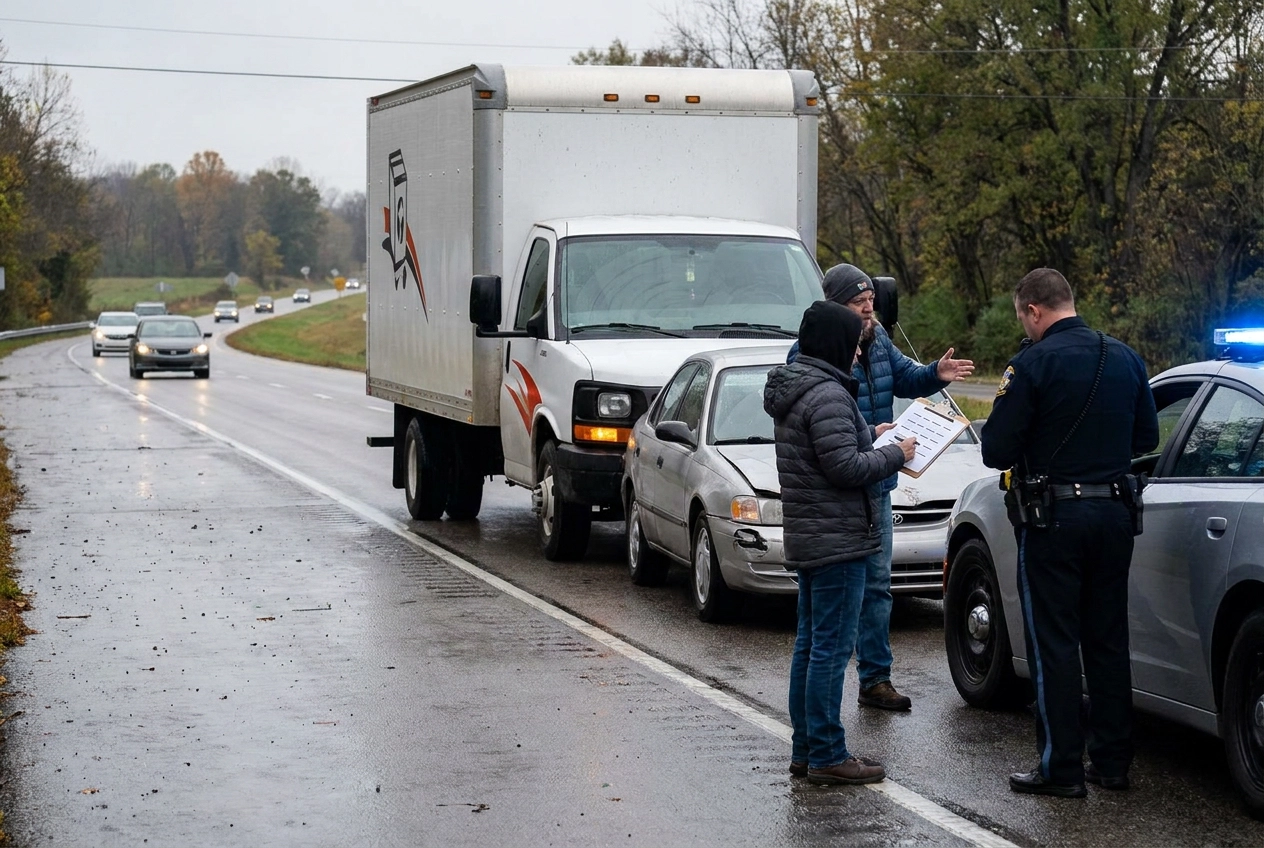
When you are hurt in a Kentucky crash, your own no-fault coverage (PIP, also called basic reparation benefits) pays your first medical bills and lost wages. See how Kentucky PIP insurance works. Your PIP carrier can then seek reimbursement from the at-fault driver’s liability insurer under KRS 304.39-070.
The trouble comes when the at-fault driver has low limits. If the liability carrier pays the PIP carrier first, there may be less money left for the injured person, whose damages are often far larger than the policy.
What the Kentucky Supreme Court held in Allstate v. Jarnigan
- The injured person comes first. Kentucky law protects the injured person’s right to be made whole before the PIP carrier gets reimbursed (KRS 304.39-070(4) and KRS 304.39-140(3), following Wine v. Globe American Casualty Co., 917 S.W.2d 558 (Ky. 1996)).
- A premature payment doesn’t reduce your limits. If a liability insurer voluntarily pays the PIP carrier early, it must absorb that loss. It can’t tell you the policy has been “used up” by that payment.
- Your claim is against the liability insurer, not your PIP carrier. The Court held the injured person had no claim against his own PIP insurer. It found no statutory duty, held that KRS 446.070 did not apply, and rejected the unjust enrichment and bad-faith theories.
- PIP carriers have proper channels. A PIP carrier can protect its subrogation interest by intervening in the injury lawsuit or through arbitration among insurers under KRS 304.39-070(3) and KRS 304.39-290.
Justice Nickell wrote the majority opinion. Justices Goodwine (joined by Justice Bisig) and Thompson each dissented in part.
The lesson: don’t accept a “reduced limits” offer
In Jarnigan, the injured man accepted what was left of the policy after the early PIP payment and signed a release. Once you release your claims, it is usually too late to fix the problem. If an adjuster tells you the limits have been reduced because PIP was paid back, stop and get advice before you sign anything. See our guide to insurance adjuster tactics.
Related reading: subrogation in a Kentucky injury settlement, medical liens, Kentucky PIP law changes in 2026, and underinsured motorist coverage for when limits truly run out.
How Forman & Associates helps
We check whether any PIP reimbursement was paid, demand the full policy limits, and coordinate PIP, liens, and underinsured motorist claims so you are not shortchanged. Car accident cases settled before a lawsuit is filed carry a 30% contingency fee. Larry Forman has 13 years of experience representing injured Kentuckians, and you pay no fee unless we win.
Allstate v. Jarnigan FAQ
What did Allstate v. Jarnigan decide?
The Kentucky Supreme Court held that when a liability insurer prematurely pays a PIP carrier’s subrogation claim, that payment does not reduce the policy limits available to the injured person. The liability insurer absorbs the loss.
Can I sue my own PIP carrier for taking reimbursement too early?
Not under Jarnigan. The Court held the injured person had no statutory, unjust enrichment, or bad-faith claim against his own PIP insurer. The remedy is against the liability insurer.
Is Allstate v. Jarnigan final?
It was rendered October 22, 2026 and designated to be published. Supreme Court opinions are not final until the time for rehearing passes, so check with a lawyer about its current status.
How long do I have to file a Kentucky car accident claim?
Generally two years from the crash or the last PIP payment, whichever is later, under KRS 304.39-230(6). See our Kentucky statute of limitations guide.
Talk to a Louisville car accident lawyer
If an insurer says your limits were reduced, talk to us before you sign a release. Get a free case evaluation or call (502) 931-6788. Our office is at 1139 S. 4th St., Louisville.
This post is general information about Kentucky law, not legal advice. Every case is different.