
Reviewed by Larry Forman, Attorney.
Older drivers are often careful and experienced, and age alone doesn’t make someone a dangerous driver. But changes in vision, reaction time, medications and health can affect driving, and older drivers and passengers are more likely to be seriously hurt in a crash. This guide covers Kentucky’s license rules for older drivers, how fault is decided and what to do after a crash, whether you were hit by an older driver or you’re an older driver yourself.
Key takeaways
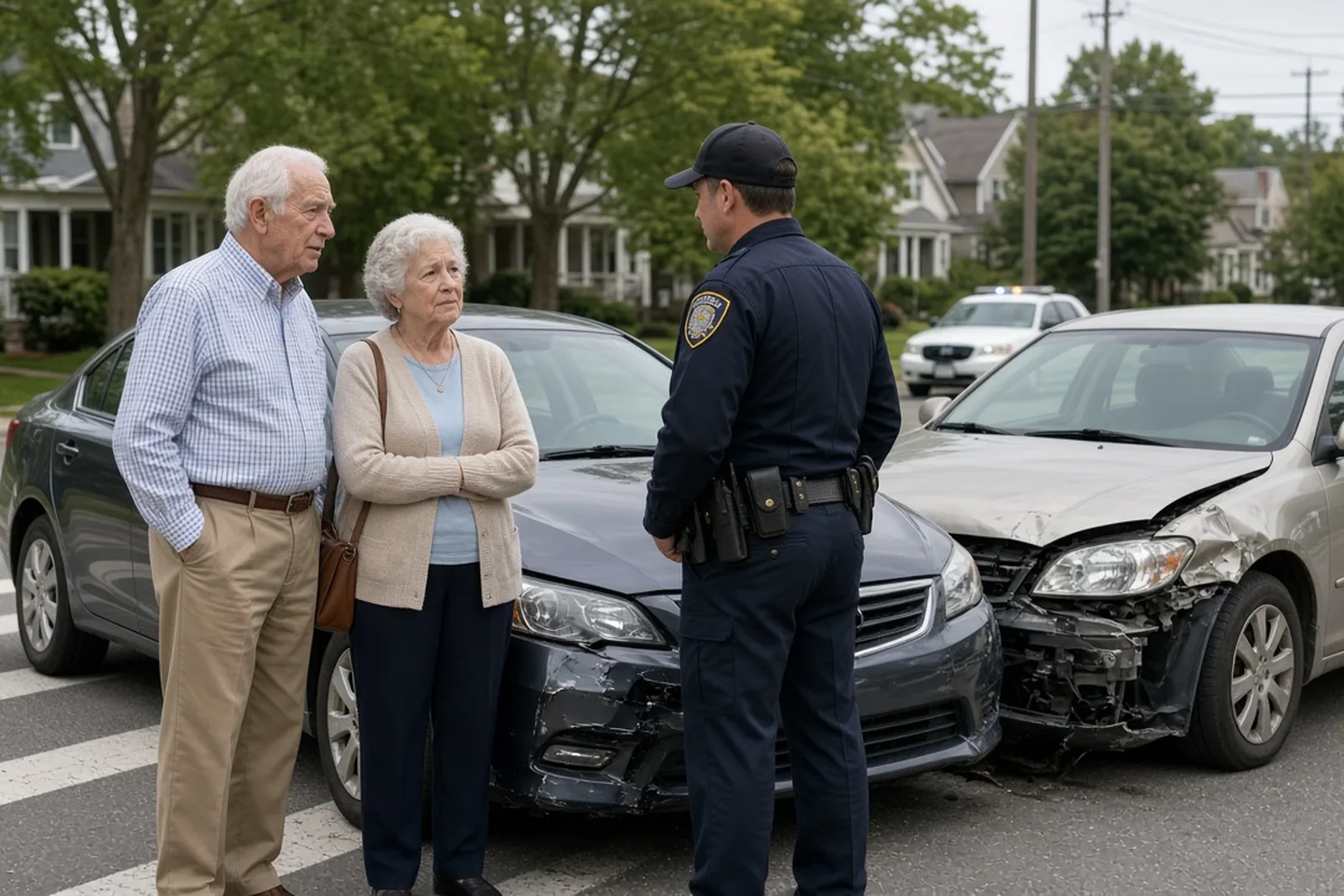
According to the CDC, older adults are more likely to be injured or killed in a crash, partly because bodies become more fragile with age. Injuries like hip fractures, rib fractures and head injuries can be more serious and take longer to heal.
Fault depends on what happened: who failed to yield, who ran a light, who was following too closely. A driver’s age, health or medications can be relevant evidence, for example if a medical episode caused the crash, but they’re not a shortcut to fault. Kentucky uses pure comparative fault: your share of fault reduces your recovery but doesn’t bar it (KRS 411.182).
Insurance companies sometimes try to blame older drivers for crashes they didn’t cause. Don’t accept that. Gather evidence just as any driver would, and be careful in recorded statements. Health conditions that existed before the crash don’t defeat a claim if the crash made them worse; see pre-existing conditions.
If you’re worried about a parent’s or grandparent’s driving, a doctor’s evaluation is a good first step. Kentucky’s medical review process exists for situations where a driver may no longer be safe. AARP and AAA offer older-driver refresher resources.
Kentucky no-fault (PIP) generally pays your first medical bills and lost wages regardless of fault. To recover pain and suffering from an at-fault driver, Kentucky’s no-fault law generally requires more than $1,000 in medical expenses, or an injury such as a fracture, permanent injury, permanent disfigurement or permanent loss of bodily function (KRS 304.39-060). Most Kentucky personal injury claims must be filed within one year (KRS 413.140). Most motor vehicle injury claims have two years from the injury or the last PIP payment, whichever is later (KRS 304.39-230).
No. Kentucky doesn’t require road tests based on age, but drivers must pass a vision screening at renewal and can be sent for medical review.
Yes. The Transportation Cabinet’s medical review process can evaluate drivers with conditions that may affect safe driving.
No. Fault depends on what happened in the crash.
We’ll explain your options. The consultation is free.
Get a free case evaluation or call 502-931-6788.
This page is general information about Kentucky law as of October 2026, not legal advice. Every case is different.