
Reviewed by Larry Forman, Attorney.
FedEx vehicles you see on Kentucky roads may belong to different parts of the company, or to independent businesses that contract with it. That matters for who is responsible when a FedEx vehicle causes a crash. Forman & Associates helps people hurt by FedEx trucks and vans identify every responsible party and insurer.
Key takeaways
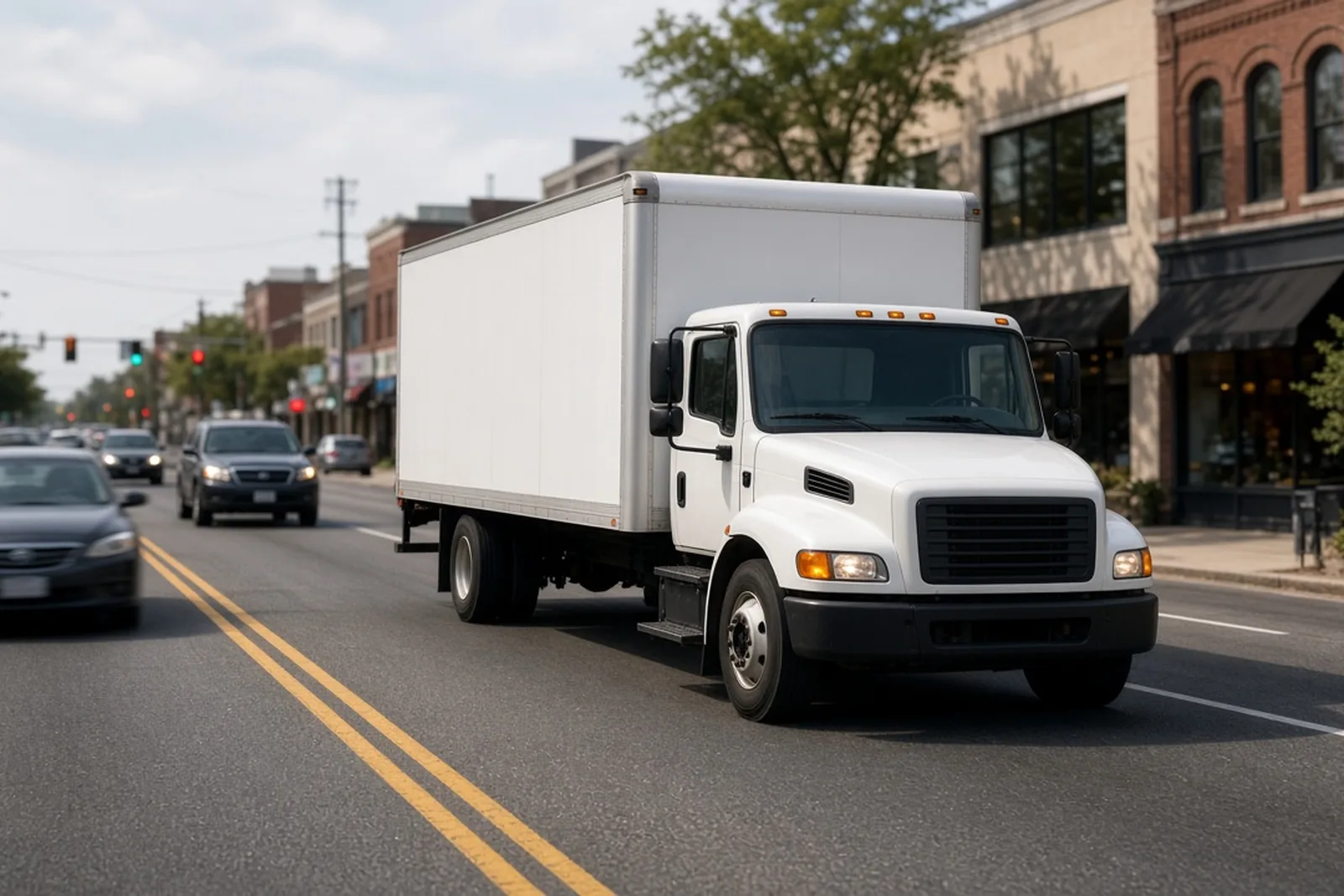
When a driver employed by FedEx Express causes a crash on the job, the employer is generally responsible. When the driver works for a Ground contractor, the contractor business is usually the employer, and its insurance comes first, though other parties may share responsibility depending on the facts. We get the contracts, the vehicle ownership and the insurance policies to see the full picture.
Commercial vehicles above federal weight thresholds operating in interstate commerce must follow the Federal Motor Carrier Safety Regulations, including driver qualification (49 CFR Part 391), hours of service (49 CFR Part 395) and inspection and maintenance (49 CFR Part 396). See how to check FMCSA safety records.
Your PIP pays first, up to $10,000, regardless of fault (KRS 304.39-020). Claims against the responsible companies follow. Don’t give a recorded statement before getting advice: see recorded statements.
Most Kentucky motor vehicle injury claims must be filed within two years of the crash or the last PIP payment, whichever is later (KRS 304.39-230). Wrongful death and claims against government entities can follow different rules. Estimate your dates with our statute of limitations calculator, then confirm them with a lawyer.
The contractor that employs the driver is usually the first responsible party. Whether FedEx also shares responsibility depends on the facts.
The police report, vehicle markings, the DOT number and the insurance information help. We can find out.
It helps if you have it, but we can identify the carrier through records.
Residential delivery crashes often involve backing, double-parking and turning. Video from homes and businesses can be key.
We sort out which company is responsible and preserve the evidence fast.
Get a free case evaluation or call 502-931-6788.
This page is general information about Kentucky law as of October 2026, not legal advice. Every case is different.